Shandong Qilu lndustrial Co.,Ltd.

Why Steel Pipe Flanges Are the Key to Reliable Connections
Welcome to My Blog!
Before we dive into the content, I’d love for you to join me on my social media platforms where I share more insights, engage with the community, and post updates. Here’s how you can connect with me:
Facebook:https://www.facebook.com/profile.php?id=100090903441806
Now, let’s get started on our journey together. I hope you find the content here insightful, engaging, and valuable.
Table of Contents
Introduction
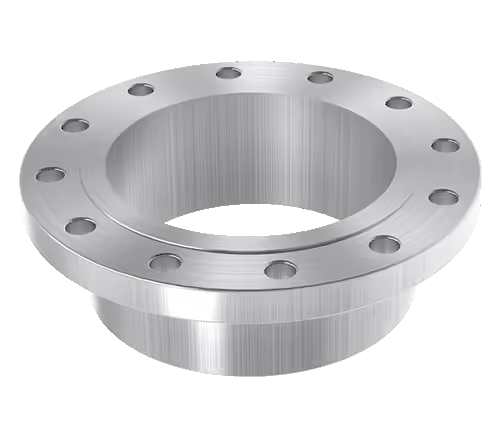
Steel pipe flanges are essential components in many industries, including oil and gas, construction, and manufacturing. They serve as the crucial link that joins pipes together to ensure tight, leak-proof connections. The versatility, durability, and reliability of steel pipe flanges make them indispensable for systems requiring safe and efficient fluid and gas transport. In this blog post, we will explore why steel pipe flanges are considered the key to reliable connections and what factors you should consider when selecting the right flange for your needs.
The Role of Steel Pipe Flanges in Piping Systems
How Steel Pipe Flanges Work
Steel pipe flanges are used to connect two pipe ends securely, allowing easy access for maintenance or modification of the piping system. These flanges feature a circular shape with bolt holes along the perimeter that match with corresponding holes on another flange. The two flanges are then joined together using bolts and a sealing gasket to prevent leaks. Steel pipe flanges provide a strong, reliable connection, and are designed to handle high pressures and temperatures, making them ideal for a variety of industries.
Types of Steel Pipe Flanges
There are several types of steel pipe flanges, each designed for specific applications and requirements. Some of the most common types include:
- Weld Neck Flanges: Used for high-pressure applications, weld neck flanges provide excellent strength and a smooth flow of material.
- Slip-On Flanges: These flanges slip over the end of the pipe and are welded in place, making them cost-effective and easier to install.
- Blind Flanges: These flanges are used to seal the end of a piping system, preventing the flow of fluids or gases.
- Threaded Flanges: These flanges feature threads on the inside to allow for easy attachment to pipes with corresponding threads.
Each flange type has unique characteristics, and the right one depends on the specific needs of the project.
Key Factors That Make Steel Pipe Flanges Reliable
Durability and Strength
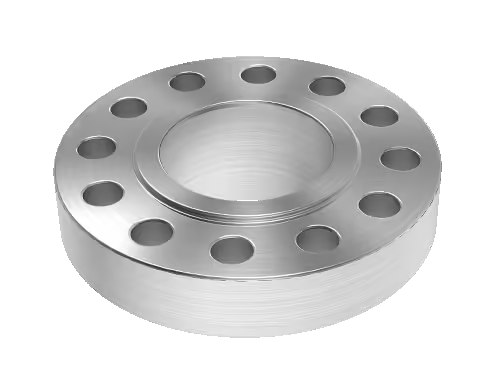
Steel pipe flanges are designed to withstand high levels of pressure, temperature, and stress. Steel is known for its strength, and when used in flanges, it ensures that the connections will hold under extreme conditions. Whether in chemical processing plants or high-pressure steam systems, steel pipe flanges can endure harsh environments without compromising safety or performance.
Corrosion Resistance
Steel pipe flanges are often manufactured from stainless steel or carbon steel alloys that provide excellent resistance to corrosion. This is particularly important in industries where pipes are exposed to moisture, chemicals, or harsh weather conditions. Flanges with corrosion resistance ensure the longevity of the piping system and minimize the risk of leaks or failures.
Versatility in Application
Steel pipe flanges are versatile and can be used in a variety of piping systems, from small residential plumbing setups to large industrial pipelines. Their ability to accommodate different pipe sizes, materials, and pressure ratings makes them essential for both residential and commercial applications. With proper selection, they can be used in virtually any piping system to create reliable, leak-free connections.
Choosing the Right Steel Pipe Flange for Your System
Consider the Pressure and Temperature Requirements
One of the most important factors when choosing a steel pipe flange is the pressure and temperature requirements of the system. Certain applications may require flanges that can handle high-pressure environments or extreme temperatures. Be sure to match the flange’s specifications to your system’s operating conditions to ensure optimal performance and safety.
Compatibility with Pipe Material
Steel pipe flanges come in a variety of materials, such as stainless steel, carbon steel, and alloy steel. Choosing the right material is essential for compatibility with the pipe material. For example, stainless steel flanges are ideal for systems involving corrosive substances, while carbon steel flanges are commonly used for more general-purpose applications.
Correct Sizing and Fit
Ensuring that the steel pipe flange is the correct size for your piping system is crucial. Flanges that are too small or too large for the pipe can lead to weak connections, increasing the risk of leaks or damage. Always check the flange’s size, pressure rating, and compatibility with the pipe before installation.
Advantages of Steel Pipe Flanges Over Other Connection Methods
Easy Maintenance and Repair
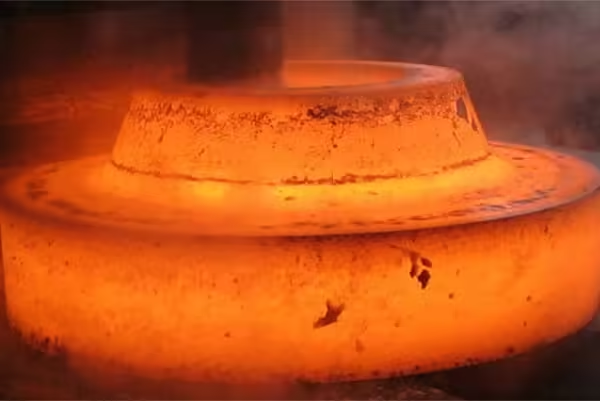
One of the major advantages of steel pipe flanges is the ease of maintenance and repair. Unlike welded pipe joints that are permanent and require cutting and welding for modification, flanges can be removed, replaced, or reassembled without disrupting the entire system. This ease of access reduces downtime and maintenance costs, making them a preferred choice for many industries.
Enhanced Leak Prevention
The combination of steel flanges and a sealing gasket ensures a tight, leak-proof connection. The flange connection is designed to prevent leaks even under high-pressure and high-temperature conditions. This level of sealing reliability is crucial for systems that transport hazardous materials, chemicals, or gases, where even a small leak can lead to catastrophic consequences.
Cost-Effectiveness
Steel pipe flanges are often more cost-effective than other connection methods. Their relatively simple design allows for quicker installation, reducing labor costs. Additionally, their durability means that flanges don’t need to be replaced as frequently, resulting in long-term savings. Over the lifespan of a piping system, the initial investment in steel flanges proves to be more cost-effective than using other types of connections.
Common Mistakes to Avoid When Using Steel Pipe Flanges
Incorrect Flange Selection
Selecting the wrong type, material, or size of steel pipe flange is a common mistake that can lead to serious issues in your piping system. Whether it’s the wrong pressure rating, a mismatch in material composition, or selecting a flange type that doesn’t suit the specific needs of your application, these errors can cause poor performance, leaks, or even system failure. It’s essential to understand the operating conditions, such as pressure, temperature, and media being conveyed, when choosing a flange.
Consulting with industry experts or referring to detailed piping system specifications is key to ensuring you select the right flange for your needs. By taking the time to properly assess the requirements and make an informed decision, you can avoid costly repairs and downtime in the future.
Failure to Properly Tighten Bolts
One of the most critical steps in ensuring a reliable steel pipe flange connection is properly tightening the bolts. However, this is often overlooked. Under-tightening bolts can lead to leaks and the risk of joint failure, while over-tightening can result in flange and bolt damage, warping, or even cracking. Achieving the proper torque is crucial for a secure and leak-proof connection. The torque specifications should always be based on the manufacturer’s guidelines and the materials being used. It’s also important to tighten the bolts in a star pattern to ensure even distribution of pressure. Inadequate or improper tightening not only jeopardizes the safety and integrity of the system but can also result in increased maintenance costs and unexpected system shutdowns.
Table
| Flange Type | Best Used For | Pressure Rating | Temperature Rating | Corrosion Resistance | Ease of Installation |
|---|---|---|---|---|---|
| Weld Neck Flange | High-pressure applications | High | High | Excellent | Moderate |
| Slip-On Flange | Cost-effective general use | Moderate | Moderate | Moderate | Easy |
| Blind Flange | Sealing pipe ends | High | High | Excellent | Easy |
| Threaded Flange | Low-pressure systems | Low | Low | Good | Easy |
Conclusion
Steel pipe flanges are crucial components for creating reliable, leak-free connections in piping systems. Their durability, corrosion resistance, and versatility make them the preferred choice in industries ranging from construction to oil and gas. By understanding the different types of steel pipe flanges and how to choose the right one, you can ensure that your piping system operates efficiently and safely. Whether you’re building new infrastructure or maintaining existing systems, steel pipe flanges will always be at the heart of reliable connections.
FAQ
What are the most common types of steel pipe flanges?
The most common types of steel pipe flanges include weld neck flanges, slip-on flanges, blind flanges, and threaded flanges. Each type is suited to different applications and pressure requirements.
How do you prevent leaks in steel pipe flange connections?
Leaks can be prevented by ensuring proper flange alignment, using appropriate sealing gaskets, and tightening bolts to the manufacturer’s specified torque.
Can steel pipe flanges be used for both high-pressure and low-pressure systems?
Yes, steel pipe flanges are available in different pressure ratings to suit both high-pressure and low-pressure applications. Choosing the right flange for your system’s pressure requirements is essential for optimal performance.