Shandong Qilu lndustrial Co.,Ltd.

What is Forged Aluminum? How It Improves Product Quality
Table of Contents
Introduction
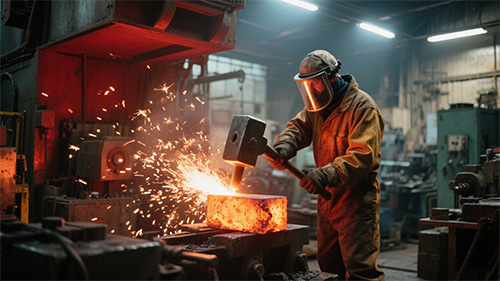
In the competitive world of manufacturing, choosing the right material is crucial for ensuring product quality and performance. One material that has become increasingly popular across various industries is forged aluminum. What is forged aluminum? Simply put, it is aluminum that has been shaped using a forging process, which enhances its strength, durability, and reliability. This makes it an ideal choice for industries such as aerospace, automotive, and industrial machinery.
At Qilu, we are experts in producing high-quality forged components, including shaft, ring, and disc forgings. With state-of-the-art equipment and a strong commitment to quality control, we ensure that our forged aluminum components meet the highest standards. In this article, we’ll explore the answer to “What is forged aluminum?” and explain how it can improve your products’ quality and performance.
What is forged aluminum, and how is it made?
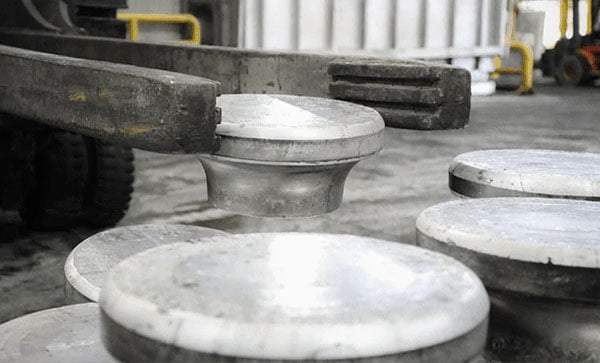
So, what is forged aluminum? Forged aluminum refers to aluminum that has been shaped by applying pressure to aluminum billets. This process, known as forging, improves the material’s internal grain structure, resulting in enhanced strength, toughness, and resistance to wear. Unlike casting or machining, which can introduce defects, the forging process creates a denser, stronger material, making it ideal for applications where strength and reliability are essential.
Forging is a manufacturing process where aluminum is heated and then compressed to form the desired shape. As the aluminum is pressed, its grain structure becomes more uniform, increasing its mechanical properties such as strength and fatigue resistance.
How Forged Aluminum Improves Strength and Durability
A primary reason forged aluminum is preferred in many industries is its ability to offer superior strength and durability. The forging process enhances the material by eliminating air pockets and internal defects, which are common in cast aluminum. This results in a much stronger and more reliable product.
Why Forged Aluminum is Stronger Than Cast Aluminum
In comparison to cast aluminum, which is poured into molds, forged aluminum is more compact and uniform in structure. The forging process eliminates imperfections and increases the material’s ability to resist high stress and impact, making it a superior choice for applications that require high strength and durability. This is why forged aluminum components are frequently used in critical areas of aircraft, vehicles, and industrial equipment.
Applications of Forged Aluminum Across Various Industries
What is forged aluminum used for? Due to its superior properties, forged aluminum is widely utilized across multiple industries. Whether it’s for high-performance automotive parts or critical aerospace components, the versatility of forged aluminum makes it a go-to material for many manufacturers.
Forged Aluminum in Aerospace
In the aerospace industry, weight reduction is crucial, and forged aluminum plays a significant role. Aircraft components such as landing gear, structural parts, and engine components often rely on forged aluminum to strike the perfect balance between strength and lightness. The material’s strength-to-weight ratio helps reduce fuel consumption while maintaining safety and performance.
Forged Aluminum in Automotive Manufacturing
In automotive applications, forged aluminum is used for key components like suspension parts, wheels, and engine blocks. The strength of forged aluminum allows manufacturers to produce parts that are not only lighter but also more durable, improving the overall efficiency and safety of vehicles. The material’s resistance to wear and corrosion is another reason it’s highly valued in the automotive industry.
Why Forged Aluminum is Perfect for High-Stress Applications
What is forged aluminum particularly good at? It’s ideal for high-stress and heavy-duty applications. Forged aluminum components are often used in environments where they are subject to high forces, repetitive motion, or harsh conditions. This is due to the material’s resistance to fatigue and its ability to maintain integrity under stress.
Resistance to Fatigue and Impact
Unlike cast aluminum, forged aluminum has a uniform grain structure, which allows it to resist cracking and deformation under repeated stress. This makes it a go-to material for parts that must withstand high levels of wear and impact, such as engine components or structural elements in vehicles.
Forged Aluminum vs. Cast Aluminum: Key Differences
When considering materials, many people ask, what is forged aluminum in relation to cast aluminum? The main difference lies in the manufacturing process and the resulting material properties.
Performance Differences
- Strength: Forged aluminum is stronger because of its dense, uniform grain structure, which makes it ideal for high-stress applications.
- Durability: Forged aluminum’s superior fatigue resistance means it performs better over time, making it a more reliable option in critical applications.
- Cost: While forging can be more expensive than casting, the superior performance and longevity of forged aluminum often make it a more cost-effective solution in the long term.
The Benefits of Using Forged Aluminum in Manufacturing
Manufacturers that choose forged aluminum for their components gain several advantages that improve product performance and longevity.
Enhanced Performance
Forged aluminum offers superior strength, which improves the overall performance of products. Whether it’s for automotive parts or industrial machinery, forged aluminum ensures that components can handle stress and continue to perform well throughout their service life.
Increased Lifespan of Components
Forged aluminum is highly resistant to wear and fatigue, which results in a longer lifespan for the components made from it. This durability means fewer replacements and less maintenance over time, which is both cost-effective and efficient for manufacturers.
The Environmental Impact of Forged Aluminum
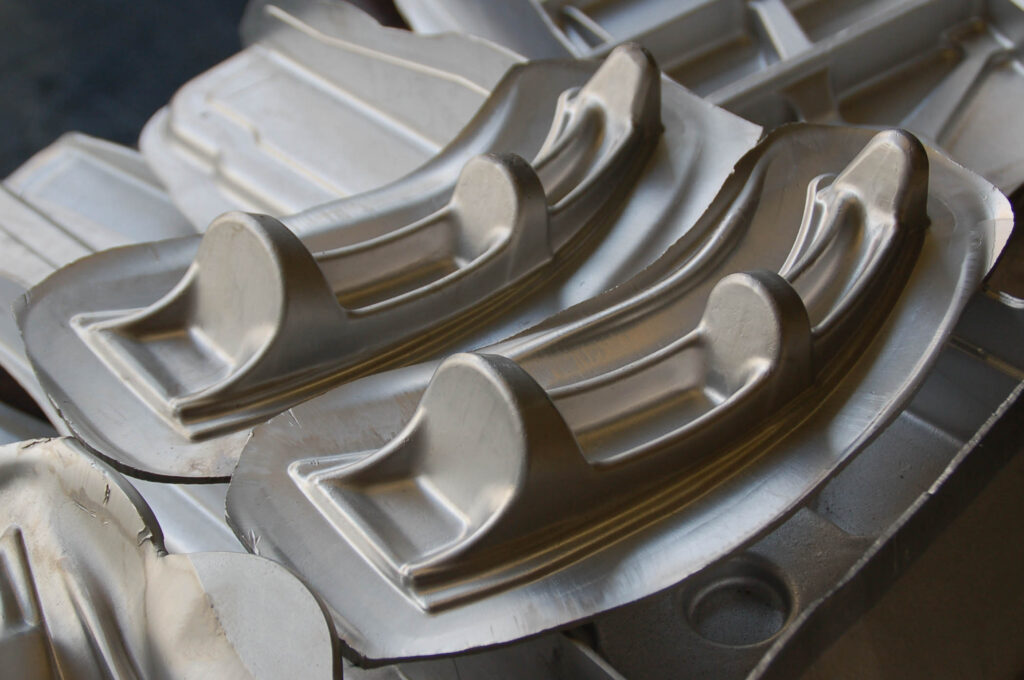
As the world moves toward more sustainable practices, many manufacturers are looking for ways to reduce their environmental impact. What is forged aluminum’s role in this? Aluminum is highly recyclable, and using forged aluminum can contribute to more sustainable manufacturing processes.
Recycling and Sustainability
Aluminum has a very high recycling rate, and what is forged aluminum is no exception. Recycling aluminum requires significantly less energy than producing it from raw materials, making it an environmentally friendly choice. Manufacturers who opt for forged aluminum are not only improving product performance but also reducing their carbon footprint.
Conclusion
In summary, what is forged aluminum? It’s a material created through a forging process that provides enhanced strength, durability, and performance. Thanks to its excellent strength-to-weight ratio and resistance to wear, forged aluminum is ideal for a wide range of applications in industries such as aerospace, automotive, and industrial machinery.
At Qilu, we specialize in the production of high-quality forged aluminum components designed to meet the most demanding standards. If you are looking for high-performance, reliable forged aluminum parts for your next project, contact us today to see how we can assist with your manufacturing needs.
FAQ
What is forged aluminum the difference between and cast aluminum?
Forged aluminum is produced by applying pressure to aluminum billets, which realigns the grain structure for enhanced strength. Cast aluminum is made by pouring molten aluminum into molds, and it can have defects due to air pockets and irregular grain alignment.
What is forged aluminum more expensive than cast aluminum?
Forged aluminum can be more expensive initially, but its superior strength and durability make it a more cost-effective option in the long run, especially for high-performance applications.
Can forged aluminum be used in all industries?
Yes, forged aluminum is highly versatile and is used across various industries, including automotive, aerospace, industrial machinery, and more. Its strength and durability make it suitable for many applications.