Shandong Qilu lndustrial Co.,Ltd.

The Rise of Automation in Forging Companies: What to Expect
Welcome to My Blog!
Before we dive into the content, I’d love for you to join me on my social media platforms where I share more insights, engage with the community, and post updates. Here’s how you can connect with me:
Facebook:https://www.facebook.com/profile.php?id=100090903441806
Now, let’s get started on our journey together. I hope you find the content here insightful, engaging, and valuable.
Table of Contents
Introduction
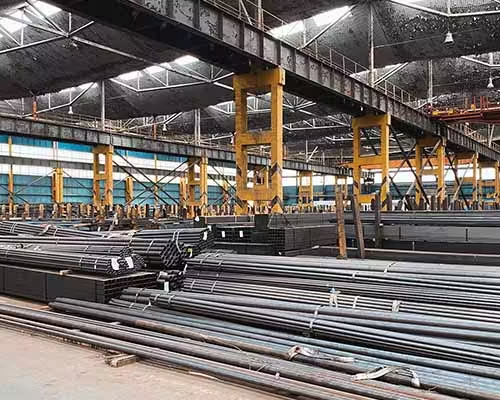
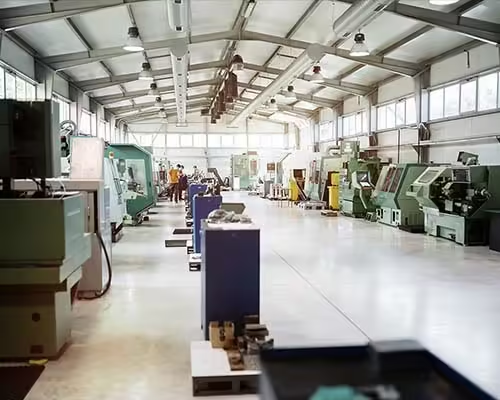
In recent years, the manufacturing industry has witnessed a significant transformation, with automation playing a pivotal role in reshaping various sectors. Among these sectors, forging companies are increasingly adopting automated technologies to enhance efficiency, reduce labor costs, and improve product quality. This blog explores the rise of automation in forging companies, the benefits it brings, the challenges faced during implementation, and what the future holds for this evolving landscape.
The Role of Automation in Forging Companies
Automation in forging companies refers to the use of advanced technologies, including robotics, computer-controlled machinery, and artificial intelligence (AI), to streamline manufacturing processes. This integration of technology is revolutionizing the way forging companies operate, leading to increased productivity and reduced operational costs.
Benefits of Automation
- Increased Efficiency Automated systems can operate continuously without breaks, resulting in higher production rates. By minimizing downtime and maximizing output, forging companies can meet growing market demands effectively.
- Enhanced Precision Automation ensures greater accuracy in the forging process. Computer-controlled machinery can produce components with tight tolerances, reducing the likelihood of defects and rework.
- Cost Reduction Although the initial investment in automation can be significant, the long-term savings in labor and operational costs are substantial. Automation reduces the need for manual labor, allowing companies to allocate resources more efficiently.
- Improved Safety Automation reduces the risk of workplace accidents by taking over hazardous tasks. Robotics can handle heavy lifting and repetitive motions, ensuring a safer working environment for employees.
- Scalability Automated systems allow forging companies to easily scale production up or down based on market demand. This flexibility enables companies to adapt quickly to changing circumstances.
Challenges in Implementing Automation
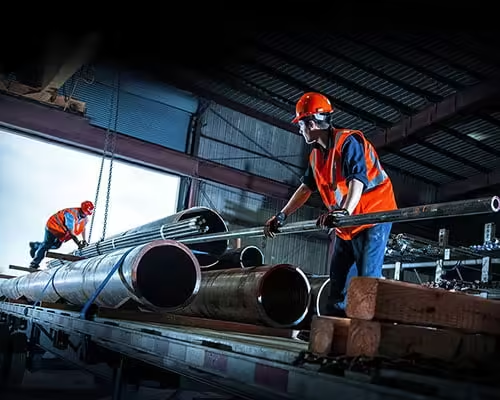
As the manufacturing landscape evolves, many forging businesses are recognizing the need to adapt to remain competitive. Automation has emerged as a critical solution, offering the potential for enhanced efficiency, reduced costs, and improved product quality. However, while the benefits of automation in the forging industry are clear, several challenges must be addressed during the implementation phase. Businesses looking to embrace this transformation must navigate various hurdles to successfully integrate new technologies into their operations.
High Initial Costs
Investing in automated machinery and technology can be a significant financial burden, particularly for smaller businesses in the forging sector. The costs associated with purchasing, installing, and maintaining automated systems can deter some enterprises from making the transition. Many companies must weigh the potential return on investment against the upfront expenses, leading to difficult decisions regarding resource allocation. As a result, smaller forging operations may struggle to keep pace with larger competitors that have more financial flexibility to embrace automation.
Skilled Labor Shortage
The shift towards automation requires a workforce equipped with advanced technical skills. Many operations in the forging sector face challenges in finding and retaining employees proficient in operating and maintaining automated systems. This skilled labor shortage can hinder the adoption of new technologies, as businesses may not have access to individuals who can effectively implement and manage automated processes. As the industry evolves, there is an urgent need for training programs that can equip existing employees with the necessary skills and attract new talent to fill these critical roles.
Integration with Existing Processes
Incorporating automation into established workflows can be complex. Forging businesses must ensure that new technologies integrate seamlessly with current operations to avoid disruptions in production. This process often involves significant planning and coordination, as companies must assess their existing systems and determine the best approach for implementing automation. The challenge lies in minimizing downtime during the transition, as any interruptions in production can lead to financial losses and diminished customer satisfaction.
Resistance to Change
Change can be met with resistance from employees who may fear job loss or feel comfortable with traditional methods. This apprehension can create a barrier to successful implementation, as workers may be hesitant to adopt new technologies. Effective communication is essential to address these concerns and help employees understand the benefits of automation, such as increased safety and reduced workload. Additionally, comprehensive training programs are crucial to facilitate the transition, enabling employees to become proficient in operating new systems and fostering a culture of adaptability within the organization. By addressing these fears and providing the necessary support, forging enterprises can enhance their chances of a successful automation journey.to help employees adapt to new technologies.
Future Trends in the Forging Industry
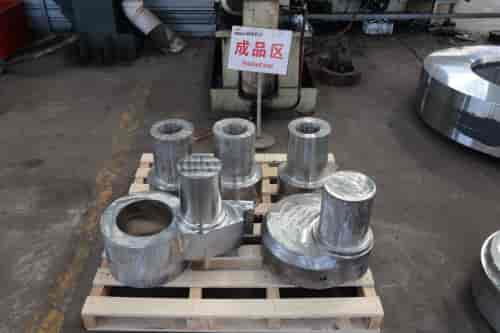
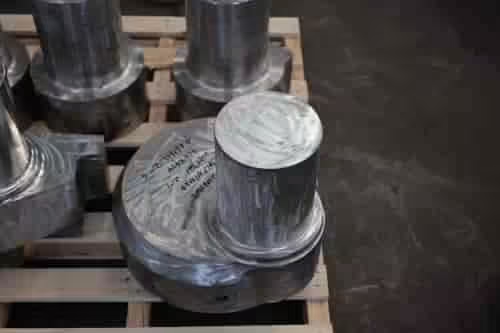
As automation continues to evolve, several trends are expected to shape the future of forging companies.
Smart Manufacturing
The integration of the Internet of Things (IoT) in manufacturing processes will enable forging companies to gather real-time data on equipment performance and production metrics. This data-driven approach will lead to more informed decision-making and continuous improvement.
Collaborative Robotics
Collaborative robots, or cobots, are designed to work alongside human operators. In forging companies, these robots can assist in tasks such as material handling and inspection, enhancing productivity while ensuring worker safety.
Advanced Material Handling
Automation will also extend to material handling in forging companies. Automated guided vehicles (AGVs) and robotic arms can efficiently transport materials, reducing manual labor and improving workflow.
Table: Advantages and Challenges of Automation in Forging Companies
| Advantages of Automation | Challenges of Automation |
|---|---|
| Increased Efficiency | High Initial Costs |
| Enhanced Precision | Skilled Labor Shortage |
| Cost Reduction | Integration with Existing Processes |
| Improved Safety | Resistance to Change |
| Scalability |
Conclusion
The rise of automation in forging companies is transforming the industry, offering numerous benefits that enhance efficiency, precision, and safety. While challenges exist, the long-term advantages of adopting automated technologies are significant. As forging companies continue to embrace innovation, the future holds promising opportunities for growth and development.
FAQ
What is automation in forging companies?
Automation in forging companies refers to the use of advanced technologies, such as robotics and AI, to streamline manufacturing processes.
What are the benefits of automation?
The benefits include increased efficiency, enhanced precision, cost reduction, improved safety, and scalability.
What challenges do forging companies face when implementing automation?
Challenges include high initial costs, a skilled labor shortage, integration with existing processes, and resistance to change.
How will automation shape the future of forging companies?
Automation will lead to smart manufacturing, collaborative robotics, and advanced material handling, driving growth and innovation in the industry.
Is automation suitable for all forging companies?
While automation offers many benefits, the suitability depends on the specific needs and capabilities of each forging company.