Shandong Qilu lndustrial Co.,Ltd.

The Process of Forging Steel: Different Types of Forging
Welcome to My Blog!
Before we dive into the content, I’d love for you to join me on my social media platforms where I share more insights, engage with the community, and post updates. Here’s how you can connect with me:
Facebook:https://www.facebook.com/profile.php?id=100090903441806
Now, let’s get started on our journey together. I hope you find the content here insightful, engaging, and valuable.
Table of Contents
Introduction
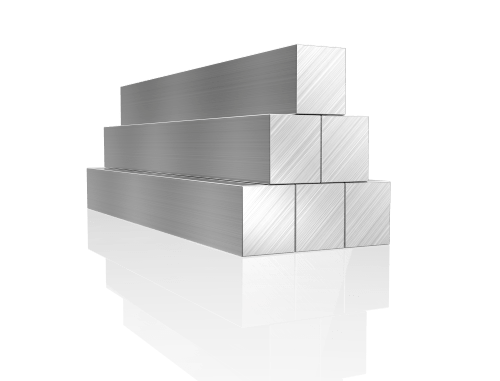
Forging is a manufacturing process that has been used for centuries to shape metal. It involves using compressive forces to deform a workpiece, typically at high temperatures. This process refines the grain structure of the metal, making it stronger and more durable. Steel, in particular, benefits significantly from forging, resulting in components with enhanced mechanical properties. This blog post will delve deep into the process of forging steel, exploring the various types of forging and their applications. Understanding the process of forging steel is crucial for industries relying on robust and reliable metal components.
What is the Process of Forging Steel?
The process of forging steel involves shaping the metal using localized compressive forces. These forces can be applied through various means, such as hammers, presses, or dies. The process can be carried out at different temperatures, broadly categorized as hot forging, warm forging, and cold forging. Hot forging, the most common method, occurs at temperatures above the recrystallization temperature of the steel. This allows the metal to deform more easily and reduces the force required. The forging process not only changes the shape of the metal but also improves its internal structure, eliminating voids and improving grain flow.
Why is the Process of Forging Steel Important?
The process of forging steel offers several advantages over other metal forming processes like casting or machining. Forged steel parts exhibit superior strength, toughness, and fatigue resistance. The forging process eliminates internal defects, such as porosity, that can weaken cast parts. It also allows for the creation of complex shapes that would be difficult or impossible to machine from a solid block of metal. The process of forging steel is essential in industries where high-strength and reliable components are critical, such as aerospace, automotive, and construction.
Types of Forging Processes for Steel
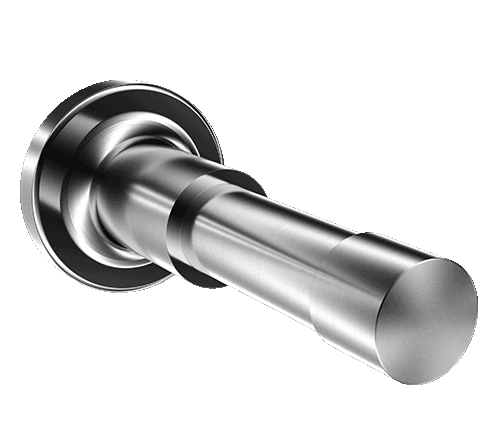

There are several different types of forging processes, each with its own advantages and applications. These processes can be broadly classified based on the method of applying force and the temperature at which the forging is carried out. Understanding these different processes of forging steel allows manufacturers to choose the most suitable method for their specific needs.
Drop Forging: A Common forging process
Drop forging, also known as hammer forging, involves repeatedly striking the workpiece with a hammer or a drop hammer. The hammer is raised and then dropped onto the workpiece, deforming it with each blow. This process is commonly used to produce parts with relatively simple shapes. Within drop forging, there are two main types:
- Open-die forging: The metal is deformed between flat dies, allowing it to flow freely. This process is versatile but produces less precise shapes.
- Closed-die forging: The metal is deformed within a die cavity, resulting in more precise shapes and tighter tolerances.
Press Forging: Utilizing Pressure in the forging process
Press forging uses a hydraulic or mechanical press to apply a slow, continuous pressure to the workpiece. This process is ideal for producing large, complex parts with intricate details. Press forging offers better control over the deformation process compared to drop forging, resulting in more consistent and higher-quality parts. This is a crucial aspect of the forging process, especially for critical applications.
Upset Forging: A Specialized forging process
Upset forging increases the diameter of a workpiece by compressing its length. This process is commonly used to produce bolts, rivets, and other fasteners. Upset forging can be performed hot or cold, depending on the material and the desired properties. This specific process of forging steel is essential in manufacturing components with specific head or flange requirements.
Roll Forging: A Continuous forging process
Roll forging involves passing the workpiece between rotating rolls that progressively shape it. This process is suitable for producing long, uniform parts, such as axles and shafts. Roll forging is a continuous process that can be highly automated, making it efficient for high-volume production. This continuous process of forging steel is a key factor in its cost-effectiveness for certain applications.
Advantages of the Process of Forging Steel
The process of forging steel offers numerous advantages compared to other metalworking processes. These advantages contribute to the widespread use of forged steel components in various industries.
Enhanced Mechanical Properties through the forging process
Forging refines the grain structure of steel, resulting in improved mechanical properties such as:
- Increased strength: Forged steel parts are significantly stronger than cast or machined parts.
- Improved toughness: Forging enhances the ability of the steel to absorb impact without fracturing.
- Enhanced fatigue resistance: Forged steel parts can withstand repeated stress cycles without failing.
Eliminating Internal Defects through the forging process
The forging process eliminates internal defects such as porosity and voids that can weaken cast parts. This results in more reliable and consistent components. This is a crucial aspect of the process of forging steel, ensuring structural integrity in demanding applications.
Cost-Effectiveness of theforging process
While the initial tooling costs for forging can be higher than for other processes, the long-term cost-effectiveness of the forging process is often superior due to reduced material waste, improved performance, and longer service life of the parts.
Applications of the Process of Forging Steel
Forged steel components are used in a wide range of industries due to their superior properties. The process of forging steel is essential for producing high-performance parts in demanding applications.
Automotive Industry: A Key User of the forging process
Forged steel parts are used extensively in the automotive industry for components such as:
- Connecting rods
- Crankshafts
- Axles
- Gears
Aerospace Industry: Relying on the forging process
The aerospace industry relies heavily on forged steel components for critical applications such as:
- Landing gear
- Engine components
- Structural parts
Other Industries Utilizing the forging process
Other industries that utilize forged steel components include:
- Construction
- Mining
- Oil and gas
- Power generation
Comparison of Different Forging Methods for Steel
The following table provides a comparison of different forging methods for steel:
| Forging Method | Force Application | Temperature | Part Complexity | Production Volume | Advantages | Disadvantages |
|---|---|---|---|---|---|---|
| Drop Forging (Open-die) | Impact | Hot | Simple | Low to Medium | Versatile, low tooling cost | Less precise |
| Drop Forging (Closed-die) | Impact | Hot | Complex | Medium to High | Precise, high production rate | Higher tooling cost |
| Press Forging | Pressure | Hot | Complex | Low to Medium | High precision, good control | Slower production rate |
| Upset Forging | Compression | Hot or Cold | Simple | High | Efficient for fasteners | Limited part geometry |
| Roll Forging | Rolling | Hot | Long, uniform | High | Continuous process, high volume | Limited part geometry |
This table provides a concise overview of the various processes of forging steel, helping in selecting the appropriate method based on specific requirements.
Maintaining Quality in the Process of Forging Steel
Maintaining quality throughout the process of forging steel is crucial for ensuring the desired properties and performance of the final product.
Material Selection for the forging process
The choice of steel grade is critical and must be carefully considered based on the application requirements. This is the first step in ensuring quality in the process of forging steel.
Process Control in the forging process
Controlling the forging temperature, force, and deformation rate is essential for achieving the desired microstructure and mechanical properties. This is a key aspect of quality control in the process of forging steel.
Inspection and Testing after the forging process
Non-destructive testing methods, such as ultrasonic inspection and magnetic particle inspection, are used to detect any surface or internal defects. Mechanical testing is also performed to verify the mechanical properties of the forged parts. This is the final step in ensuring quality in the process of forging steel.
Conclusion
The process of forging steel is a vital manufacturing process that produces high-strength, reliable components for a wide range of industries. Understanding the different types of forging processes, their advantages, and applications is crucial for engineers and manufacturers. The process of forging steel continues to evolve with advancements in technology, ensuring its continued importance in modern manufacturing. This detailed exploration of the process of forging steel highlights its significance in creating durable and high-performance components.
FAQ
What is the difference between forging and casting?
Forging involves shaping metal using compressive forces, while casting involves pouring molten metal into a mold. Forged parts are generally stronger and more durable than cast parts.
What are the different types of forging?
The main types of forging include drop forging, press forging, upset forging, and roll forging.
What are the advantages of forging steel?
Forging improves the mechanical properties of steel, eliminates internal defects, and can be cost-effective for high-volume production.
What industries use forged steel parts?
Forged steel parts are used in various industries, including automotive, aerospace, construction, mining, oil and gas, and power generation.