Shandong Qilu lndustrial Co.,Ltd.

How Gear Forging Enhances Durability and Performance
Welcome to My Blog!
Before we dive into the content, I’d love for you to join me on my social media platforms where I share more insights, engage with the community, and post updates. Here’s how you can connect with me:
Facebook:https://www.facebook.com/profile.php?id=100090903441806
Now, let’s get started on our journey together. I hope you find the content here insightful, engaging, and valuable.
Introduction
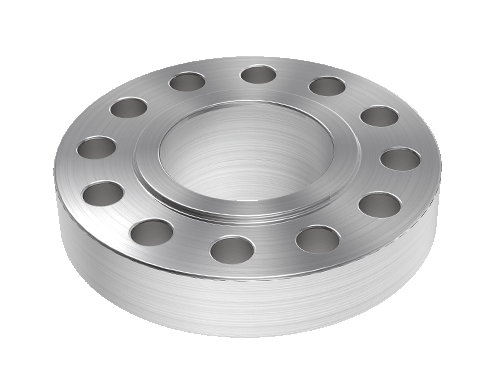
Gear forging has become an indispensable process in manufacturing industries that require robust and durable gears. The method ensures high performance, longevity, and efficiency in various machinery. This article explores how gear forging enhances durability and performance, its benefits, and its applications. If you want to understand why gear forging is a preferred method, keep reading.
What is Gear Forging?
Gear forging is a metal-forming process that uses compressive forces to shape a metal billet into a gear. This method improves the mechanical properties of gears, making them stronger and more resilient. The process can be divided into two main types:
Open Die Forging: Typically used for large gears.
Closed Die Forging: Common for smaller, more precise gears.
Both methods ensure high strength and excellent wear resistance.
Benefits of Gear Forging
Gear forging offers numerous advantages over other manufacturing methods like casting or machining. These include:
Increased Durability: Forging eliminates voids and porosity in the material, resulting in a denser and stronger gear.
Enhanced Load-Bearing Capacity: Forged gears can handle higher stress levels, making them ideal for heavy-duty applications.
Improved Grain Flow: The forging process aligns the grain structure, enhancing toughness and fatigue resistance.
Cost-Effectiveness: Reduced material waste and lower production costs over time.
The Gear Forging Process Explained
The forged gears process involves several stages to ensure optimal quality and performance. Here is an overview:
Material Selection
The process begins with selecting the right material, such as carbon steel, alloy steel, or stainless steel, depending on the application.
Heating
The billet is heated to a specific temperature to make it malleable for forging.
Forging
Using either open or closed die methods, the billet is compressed to form the desired gear shape.
Trimming and Finishing
Excess material is removed, and the gear undergoes finishing processes like grinding or polishing.
Heat Treatment
Heat treatment is applied to enhance the mechanical properties, such as hardness and toughness.
Key Factors Affecting Durability and Performance
Several factors determine the success of forged gears in enhancing durability and performance:
- Material Properties: High-quality materials result in better gears.
- Forging Techniques: Precision in forging methods ensures minimal defects.
- Heat Treatment: Proper heat treatment enhances wear resistance and lifespan.
Applications of Gear Forging
Forged gears is used in various industries due to its ability to produce high-performance gears. Common applications include:
- Automotive Industry: Gears for transmissions and differentials.
- Aerospace: High-strength gears for aircraft engines.
- Heavy Machinery: Durable gears for construction equipment.
- Energy Sector: Gears for wind turbines and power plants.
Advantages of Gear Forging in Automotive Engineering
In the automotive industry, forged gears plays a critical role in ensuring vehicles run smoothly and efficiently. Benefits include:
- Improved Torque Transmission
- Reduced Noise and Vibration
- Enhanced Fuel Efficiency
Table: Properties of Forged Gears vs. Machined Gears
| Property | Forged Gears | Machined Gears |
|---|---|---|
| Durability | High | Moderate |
| Grain Structure | Aligned | Random |
| Stress Resistance | Excellent | Good |
| Cost Over Time | Cost-Effective | Higher Costs |
Challenges in Gear Forging
While forged gears offers significant advantages, it is not without challenges. These include:
- High Initial Costs: Equipment setup can be expensive.
- Complexity: Precision in tooling and techniques is required.
- Material Waste: Though minimal compared to machining, waste still exists.
Future of Gear Forging Technology
Advancements in forged gears are paving the way for even better durability and performance. Key trends include:
- Automation: Robotic systems for increased precision.
- Sustainable Practices: Eco-friendly materials and methods.
- 3D Printing Integration: For prototyping and complex designs.
Conclusion
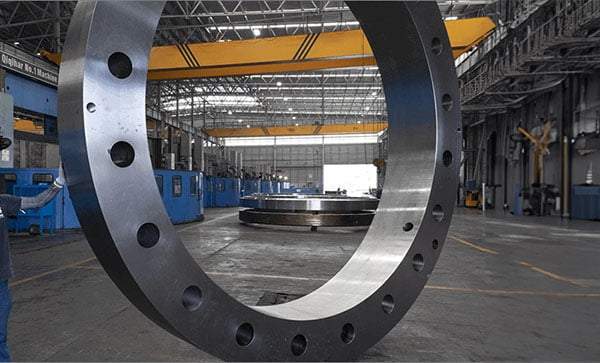
Gear forging stands out as a reliable manufacturing method for creating durable and high-performance gears. By optimizing material properties, enhancing strength, and improving wear resistance, this process has become indispensable in various industries. As technology advances, gear forging is expected to become even more efficient and sustainable, meeting the growing demands of modern engineering.
FAQ
What materials are best for gear forging?
Materials like carbon steel, alloy steel, and stainless steel are commonly used due to their strength and durability.
How does gear forging compare to casting?
Forged gears produces denser, stronger gears with better mechanical properties compared to casting, which may have voids and weaknesses.
Can forged gears be customized?
Yes, forged gears can be tailored to specific designs and performance requirements.