Shandong Qilu lndustrial Co.,Ltd.

Why Forged Stainless Steel is Essential for Medical Devices
Table of Contents
Introduction
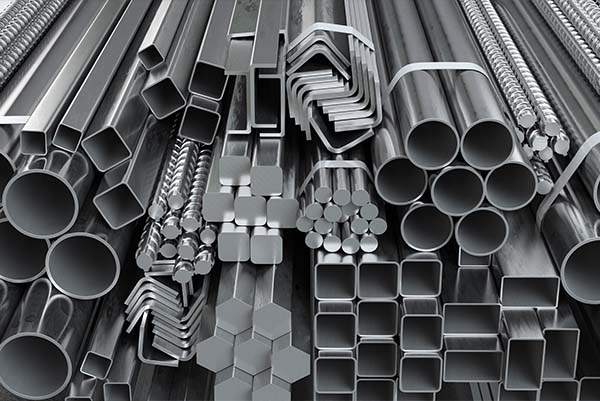
In the world of medical device manufacturing, selecting the right materials is crucial for ensuring both performance and safety. One such material that stands out in applications ranging from surgical instruments to medical implants is forged stainless steel. Its exceptional strength, resistance to corrosion, and biocompatibility make it the ideal choice for high-stress and high-precision devices.
At Qilu, we specialize in producing high-quality forged components, including shaft forgings, ring forgings, and disc forgings, designed to meet the highest standards of reliability and performance. With advanced production equipment and extensive testing, we deliver components that are used across various industries, including healthcare. In this article, we’ll explore why stainless steel forging is an essential material for medical devices and how it ensures reliability and safety.
What Makes Forged Stainless Steel Ideal for Medical Devices?
Forged stainless steel is created by subjecting stainless steel to high-pressure forging processes. This technique improves the material’s overall structure, making it stronger, more durable, and resistant to stress. This makes it an ideal choice for medical devices that are often exposed to demanding conditions. When used in applications such as surgical instruments or implants, stainless steel forging ensures:
- Enhanced strength for handling high-stress operations.
- Resistance to corrosion, which is crucial in medical environments.
- Biocompatibility, which minimizes the risk of adverse reactions with human tissue.
These characteristics ensure that stainless steel forging remains a top choice for medical applications, ensuring longevity and performance.
Forged Stainless Steel vs. Cast Stainless Steel for Medical Devices
When choosing materials for medical devices, manufacturers must decide between forged and cast stainless steel. Though both are commonly used, stainless steel forging offers distinct advantages over cast stainless steel.
| Property | Forged Stainless Steel | Cast Stainless Steel |
|---|---|---|
| Strength | Higher tensile strength | Lower tensile strength |
| Durability | More durable under stress | Prone to cracks under stress |
| Resistance to Corrosion | Superior resistance to corrosion | Lower resistance to corrosion |
| Biocompatibility | High biocompatibility | Can be less biocompatible |
| Manufacturing Cost | Higher cost due to forging process | Lower cost due to casting |
The forging process, while more expensive, creates a stronger, more durable material, making it ideal for medical applications where device failure is not an option.
Why Forged Stainless Steel is Key in Medical Implants
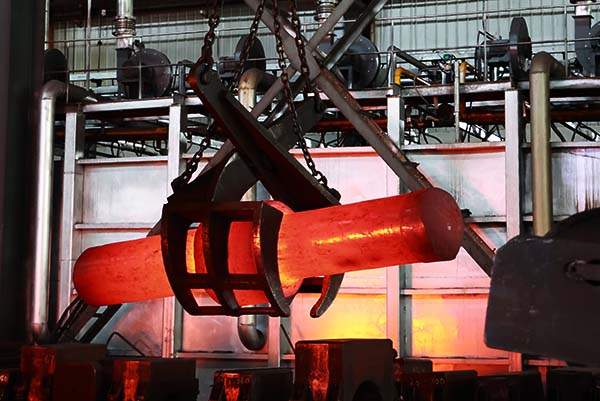
Medical implants, such as hip replacements, knee implants, and dental implants, must be strong enough to bear loads without failure. Forged stainless steel excels in these applications due to its strength and durability. Moreover, stainless steel forging’s ability to resist corrosion is essential for implants that will remain in the human body for extended periods.
Unlike cast stainless steel, which may contain imperfections or porosity, stainless steel forging has a dense and uniform structure. This eliminates the risk of cracks or other weaknesses, making it an ideal material for high-stress medical implants.
Forged Stainless Steel for Surgical Instruments
Surgical instruments require precision, strength, and durability. Forged stainless steel provides all these characteristics. It ensures that instruments such as scalpels, scissors, and forceps maintain their sharpness and strength even after repeated use.
Additionally, stainless steel forging allows for better control during surgeries. With higher resistance to wear and corrosion, surgical instruments made from forged stainless steel provide long-lasting performance without compromising precision.
Corrosion Resistance: The Key Advantage of Forged Stainless Steel
Corrosion resistance is a top priority for any medical device that comes into direct contact with bodily fluids. Forged stainless steel offers exceptional resistance to rust and corrosion, even in harsh environments. This is especially important for implants or surgical tools that may be exposed to moisture, saline, or blood during medical procedures.
By choosing stainless steel forging, manufacturers ensure that their devices remain safe and functional over time, reducing the risk of failure due to environmental factors.
Forged Stainless Steel in Diagnostic Equipment: Ensuring Precision and Durability
Precision is critical in medical diagnostic equipment. Devices such as MRI machines, X-ray machines, and ultrasound equipment rely on materials that can maintain their integrity under high stress and frequent use. Forged stainless steel provides the necessary durability and strength to withstand these demanding environments, ensuring reliable performance for the long term.
Additionally, the high corrosion resistance of stainless steel forging makes it a reliable choice for diagnostic tools exposed to various environmental factors.
The Future of Forged Stainless Steel in Medical Devices
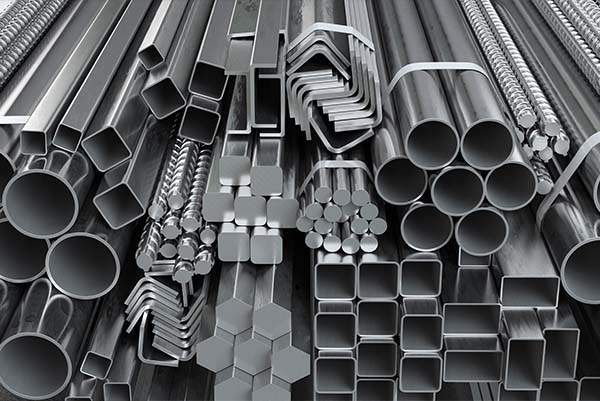
Stainless steel forgings are crafted from iron-based alloys that contain a minimum of 10.5% chromium. These alloys are renowned for their ability to achieve a harmonious equilibrium between strength and corrosion resistance.
As the medical device industry evolves, so does the need for high-performance materials. Forged stainless steel continues to play a crucial role, especially with advancements in medical technology. It remains a go-to material for devices that require exceptional strength, biocompatibility, and resistance to corrosion.
As new technologies, such as 3D printing, begin to impact medical device manufacturing, the need for reliable materials like stainless steel forging will only grow. The material’s versatile properties make it ideal for applications ranging from minimally invasive surgical tools to complex diagnostic systems.
Conclusion
Forged stainless steel is an essential material for manufacturing medical devices that must meet rigorous performance and safety standards. Its superior strength, corrosion resistance, and biocompatibility make it ideal for high-stress applications such as implants, surgical instruments, and diagnostic tools.
At Qilu, we provide high-quality forged components that meet the most stringent industry requirements. Whether you’re looking for surgical instruments, medical implants, or diagnostic equipment parts, our expertise in stainless steel forging ensures you receive products that deliver exceptional performance.
If you’re ready to enhance your medical device manufacturing with high-quality forged stainless steel, contact us today to explore our solutions and how we can assist with your specific needs.
FAQ
What is the difference between forged stainless steel and cast stainless steel?
Forged stainless steel undergoes a high-pressure forging process that enhances its strength, durability, and corrosion resistance. Cast stainless steel is molded, which can result in lower strength and potential imperfections.
Why is corrosion resistance important for medical devices?
Medical devices are frequently exposed to bodily fluids, so corrosion resistance ensures that devices maintain their functionality and safety over time, reducing the risk of failure.
How does forging stainless steel improve the strength of medical devices?
The forging process aligns the metal’s grain structure, making it stronger and more resistant to stress and fatigue. This results in devices that can withstand high-impact conditions.
Is stainless steel forging safe for use in medical devices?
Yes, stainless steel forging is biocompatible, meaning it is safe for use in implants and surgical instruments that come into direct contact with the body.
Can stainless steel forging be used in other industries outside of medical devices?
Yes, stainless steel forging is widely used in aerospace, automotive, and other industries that require durable, high-performance materials.