Shandong Qilu lndustrial Co.,Ltd.

Finding Quality Fabricators Forge for Your Project
Welcome to My Blog!
Before we dive into the content, I’d love for you to join me on my social media platforms where I share more insights, engage with the community, and post updates. Here’s how you can connect with me:
Facebook:https://www.facebook.com/profile.php?id=100090903441806
Now, let’s get started on our journey together. I hope you find the content here insightful, engaging, and valuable.
Table of Contents
Introduction

Selecting a high-quality fabricators forge is a critical decision for any project, whether you’re crafting custom metalwork, industrial components, or artistic installations. A fabricators forge serves as the backbone of metalworking, enabling precision, durability, and efficiency. This blog explores the essential factors to consider when choosing a fabricator forge, offering insights into the selection process, technical specifications, and industry best practices. By understanding the nuances of a fabricators forge, you can ensure your project meets both functional and aesthetic standards.
Why a Fabricators Forge Matters for Your Project
The fabricators forge is more than just a tool; it’s the heart of the metalworking process. A reliable forge ensures consistent heat distribution, which is vital for shaping metals like steel, aluminum, or titanium. Poor-quality forges can lead to uneven heating, material defects, or wasted resources. Investing in a high-performing fabricator forge enhances productivity, reduces downtime, and delivers superior results. Whether you’re a hobbyist or a professional, the right forge can make or break your project’s success.
Key Features of a High-Quality Fabricators Forge
When evaluating a fabricators forge, focus on features that align with your project’s needs. Look for forges with adjustable temperature controls, robust insulation, and durable construction materials like refractory bricks or ceramic fiber. Energy efficiency is another critical factor, as it impacts operational costs. Additionally, consider the forge’s size and capacity to ensure it can handle your workload. A well-designed fabricators forge balances performance, safety, and longevity.
Types of Fabricators Forge for Different Projects
Fabricators forges come in various types, each suited to specific applications. Gas forges, powered by propane or natural gas, are popular for their versatility and precise temperature control. Solid fuel forges, such as coal or charcoal models, are favored for traditional blacksmithing. Electric forges offer clean operation and are ideal for small-scale or indoor projects. Understanding the strengths and limitations of each fabricators forge type helps you choose one that matches your project’s scope and environment.
Gas vs. Solid Fuel vs. Electric Fabricators Forge
Gas forges are efficient and widely used in modern fabrication shops, offering quick heat-up times and consistent performance. Solid fuel forges, while labor-intensive, provide a hands-on experience and are often preferred for artisanal work. Electric forges, though limited in maximum temperature, are low-maintenance and eco-friendly. Each fabricators forge type has unique benefits, so evaluate your project’s requirements, such as material type, production volume, and workspace constraints, before deciding.
How to Evaluate Fabricators Forge Suppliers
Choosing a reputable supplier is as important as selecting the fabricators forge itself. Look for suppliers with a proven track record, positive customer reviews, and transparent product specifications. Check if they offer warranties, technical support, and replacement parts. A reliable supplier will provide detailed documentation, such as user manuals and safety guidelines, to ensure you get the most out of your fabricators forge. Researching supplier credentials and industry reputation minimizes the risk of purchasing subpar equipment.
Certifications and Standards for Fabricators Forge
A high-quality fabricators forge should meet industry standards, such as those set by the American Welding Society (AWS) or the International Organization for Standardization (ISO). Certifications indicate that the forge has undergone rigorous testing for safety, performance, and durability. For example, a fabricator forge with CE marking complies with European safety standards, while UL certification is a mark of quality in North America. Always verify that the forge and its components adhere to relevant regulations for your region.
Fabricator Forge Selection Criteria Table
To help you make an informed decision, the following table outlines key criteria for selecting a fabricators forge. Use this as a checklist to compare options and ensure compatibility with your project.
| Criteria | Description | Considerations |
|---|---|---|
| Heat Output | Maximum temperature and heat distribution capabilities. | Ensure it suits the metals you’re working with. |
| Fuel Type | Gas, solid fuel, or electric. | Match with your workspace and project needs. |
| Size and Capacity | Internal dimensions and workload capacity. | Check if it fits your project scale. |
| Insulation Quality | Materials like ceramic fiber or refractory bricks for heat retention. | Prioritize energy efficiency and safety. |
| Safety Features | Burner safeguards, ventilation requirements, and emergency shut-off systems. | Verify compliance with local regulations. |
| Portability | Weight and mobility for transport or reconfiguration. | Useful for small shops or mobile projects. |
| Maintenance Needs | Frequency of upkeep and availability of spare parts. | Opt for low-maintenance models if possible. |
| Cost | Initial purchase price and long-term operating costs. | Balance budget with quality and features. |
| Warranty and Support | Duration of warranty and access to technical assistance. | Choose suppliers with robust support systems. |
This table serves as a practical guide to narrow down your fabricator forge options based on technical and operational needs.
Common Mistakes When Choosing a Fabricators Forge
Many buyers overlook critical factors when selecting a fabricators forge, leading to costly errors. One common mistake is prioritizing price over quality, which can result in frequent repairs or project delays. Another is neglecting workspace compatibility, such as ventilation requirements for gas forges. Failing to account for future scalability can also limit your forge’s utility as your projects grow. Avoid these pitfalls by conducting thorough research and consulting with experts before purchasing a fabricator forge.
How to Avoid Overpaying for a Fabricator Forge
While it’s tempting to invest in the most expensive fabricator forge, cost doesn’t always equate to quality. Compare features across models to identify value-for-money options.
Maintenance Tips for Your Fabricator Forge
Proper maintenance extends the lifespan of your fabricators forge and ensures consistent performance. Regularly inspect burners, insulation, and fuel lines for wear and tear. Clean the forge interior to remove slag and debris, which can affect heat distribution. For gas forges, check for leaks and calibrate pressure regulators periodically. Solid fuel forges require frequent ash removal to maintain airflow. Schedule professional servicing annually to address complex issues and keep your fabricators forge in top condition.
Safety Protocols for Operating a Fabricator Forge
Safety is paramount when working with a fabricators forge. Always wear protective gear, including heat-resistant gloves, aprons, and face shields. Ensure your workspace has adequate ventilation to prevent carbon monoxide buildup, especially with gas or solid fuel forges. Install fire extinguishers and smoke detectors nearby, and keep a first-aid kit accessible. Train all operators on proper forge handling and emergency procedures to minimize risks. A safe fabricators forge environment protects both workers and equipment.
Industry Trends in Fabricators Forge Technology

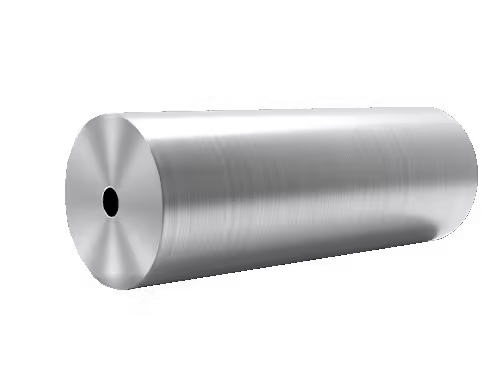
The fabricators forge industry is evolving with advancements in automation, energy efficiency, and materials. Modern forges increasingly incorporate digital temperature controls for precise heat management. Hybrid forges, combining gas and electric elements, are gaining popularity for their flexibility. Additionally, eco-friendly designs with lower emissions are becoming standard as sustainability concerns grow. Staying informed about these trends helps you choose a fabricators forge that remains relevant for years to come.
Conclusion
Choosing the right fabricators forge is a strategic decision that impacts your project’s quality, efficiency, and safety. By evaluating features, types, suppliers, and maintenance needs, you can select a forge that meets your specific requirements. A well-chosen fabricator forge not only enhances your work but also provides long-term value. Ready to find the perfect forge for your project? Contact us today to explore top-quality fabricator forge options and elevate your metalworking capabilities.
FAQ
What is a fabricators forge?
A fabricator forge is a specialized tool used to heat metals to high temperatures for shaping, forging, or welding. It’s essential for blacksmithing, industrial fabrication, and custom metalwork.
How do I choose the best fabricator forge for my project?
Consider factors like fuel type, heat output, size, and safety features. Match the forge’s capabilities to your project’s materials, scale, and workspace constraints.
What’s the difference between gas and electric fabricator forge?
Gas forges offer high heat and versatility but require ventilation. Electric forges are cleaner and easier to maintain but may have lower maximum temperatures.
How often should I maintain my fabricator forge?
Perform basic maintenance, like cleaning and inspections, monthly. Schedule professional servicing annually to ensure optimal performance and safety.