Shandong Qilu lndustrial Co.,Ltd.

Critical Load-Bearing Disc Components as the Foundation for Demanding Applications
Table of Contents
The Importance of Disc Forgings in Critical Load-Bearing Applications
One of the most effective ways to produce Critical Load-Bearing Disc Components is through Disc Forgings. Forging is a process that involves shaping metal using compressive forces, which enhances the material’s strength, durability, and resistance to wear and tear. Disc Forgings offer several advantages when it comes to manufacturing load-bearing components for critical applications:
1.Enhanced Material Strength
The forging process refines the grain structure of the material, leading to enhanced strength and toughness. Critical Load-Bearing Disc Components made from forged materials can withstand higher loads and resist cracking or fatigue under stress.
2.Improved Reliability and Safety
Forging eliminates the risk of internal voids or defects that can occur in cast components. As a result, Disc Forgings offer better reliability, which is essential in applications where safety and performance are critical.
3.Customized Geometries
The Disc Forging process allows for precise control over the geometry and dimensions of the component, ensuring that Critical Load-Bearing Disc Components meet the exact specifications required by demanding applications.
4.Superior Fatigue Resistance
Forged materials exhibit superior fatigue resistance compared to cast or machined components. This characteristic is particularly important for Critical Load-Bearing Disc Components that are exposed to cyclic loading and extreme stress over long periods.
Applications of Critical Load-Bearing Disc Components in Various Industries
The versatility and strength of Critical Load-Bearing Disc Components make them essential in a wide range of industries. Let’s take a closer look at some of the key applications where these components are crucial:
1.Aerospace Industry
In the aerospace industry, Critical Load-Bearing Disc Components are integral to the performance and safety of aircraft. These components are used in turbines, landing gears, and other high-stress parts of aircraft systems. Disc Forgings are particularly important in this field due to their ability to withstand extreme temperatures and mechanical stresses.
The high safety standards in the aerospace sector require components that can endure repeated load cycles without failure. Disc Forgings provide the necessary strength and fatigue resistance to meet these rigorous demands, ensuring the integrity of critical systems such as engines and airframes.

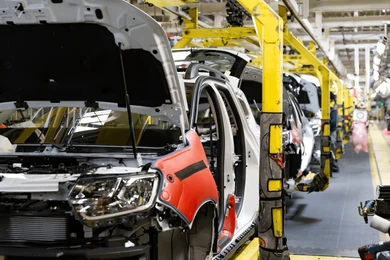
2.Automotive Industry
In the automotive industry, Critical Load-Bearing Disc Components are essential for parts like brake discs, suspension systems, and driveshafts. These components must operate under high torque and stress while maintaining precision and reliability. Disc Forgings are commonly used in the production of automotive components because of their ability to handle the high demands of vehicle performance and safety.
For example, forged brake discs provide better heat dissipation and wear resistance compared to cast alternatives, making them ideal for high-performance vehicles and heavy-duty applications.
3.Industrial Machinery and Heavy Equipment
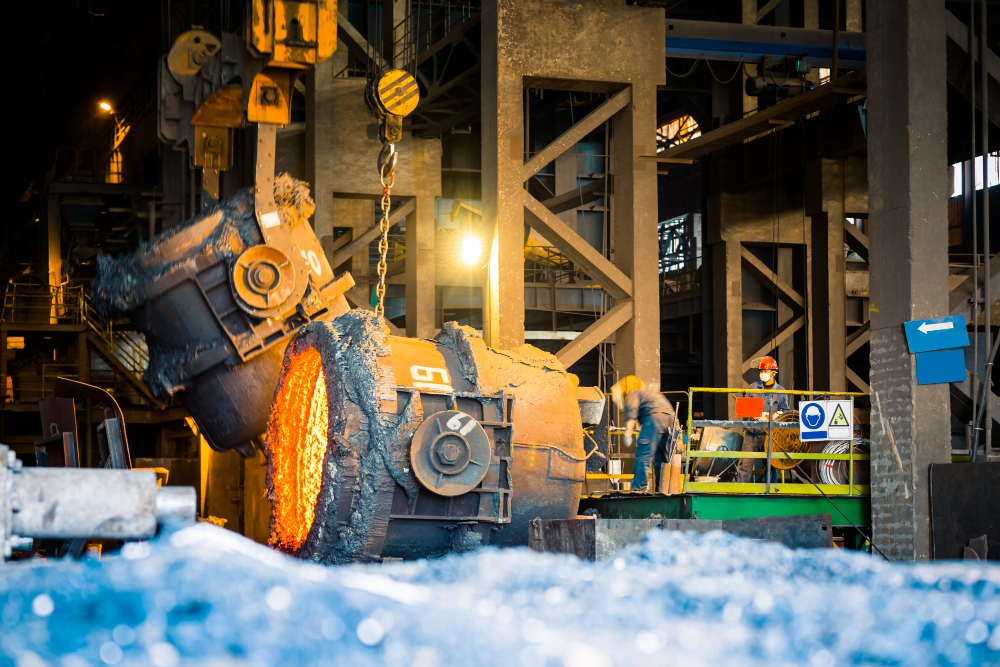
Heavy-duty industrial machinery, such as cranes, bulldozers, and mining equipment, requires Critical Load-Bearing Disc Components that can handle constant wear, shock, and high torque. Disc Forgings are often used in these applications to produce parts that can withstand the harsh conditions of construction sites and manufacturing plants.
The durability and reliability of forged disc components are essential in maintaining the smooth operation of industrial machinery and preventing costly downtime due to component failure.
4.Military and Defense
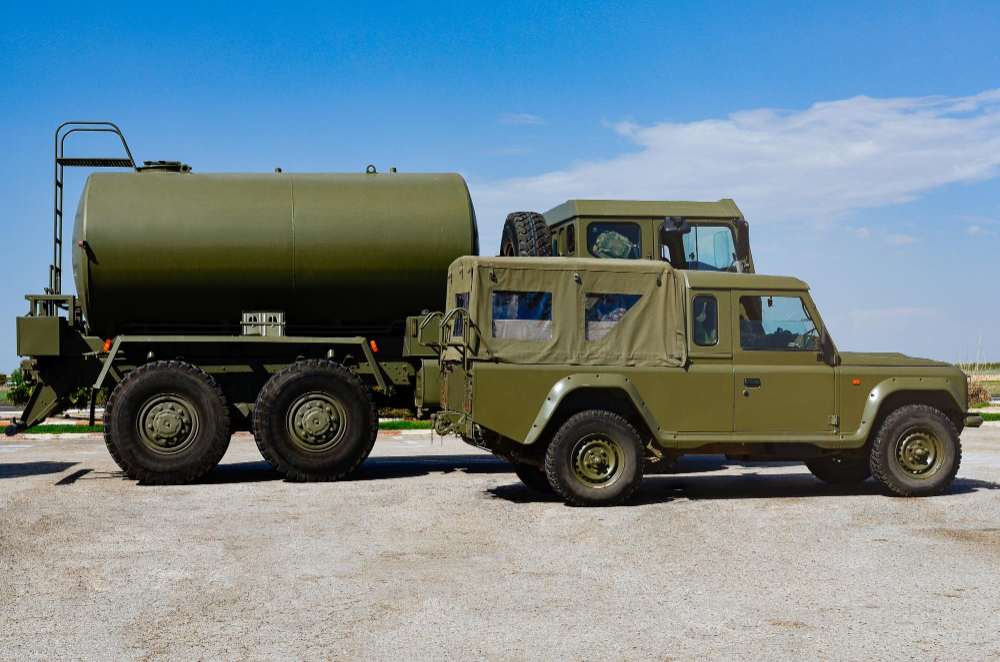
In military applications, where the performance and safety of equipment are non-negotiable, Critical Load-Bearing Disc Components are used in a variety of systems, from military vehicles to aircraft and naval vessels. Disc Forgings provide the strength and resilience required to operate in extreme environments, including combat situations and high-stress operations.
Forged components used in military systems are critical for ensuring the safety and effectiveness of defense equipment under the most demanding conditions.
The Role of Materials in Manufacturing Critical Load-Bearing Disc Components
The materials used to create Critical Load-Bearing Disc Components play a significant role in determining their strength, durability, and performance. Common materials used in the forging process include high-strength steels, titanium alloys, and other specialized metals. Each material is selected based on the specific requirements of the application, such as:
- Steel Alloys: Commonly used in automotive and industrial machinery applications due to their strength and cost-effectiveness.
- Titanium Alloys: Preferred in aerospace applications because of their lightweight and high strength-to-weight ratio.
- Nickel-Based Alloys: Used in high-temperature applications like turbines and engines, where heat resistance is critical.
The right material ensures that Critical Load-Bearing Disc Components can withstand the extreme conditions they are subjected to, including high temperatures, corrosive environments, and heavy
Conclusion: The Future of Critical Load-Bearing Disc Components in High-Demand Applications
Critical Load-Bearing Disc Components are vital to the performance and safety of systems in industries such as aerospace, automotive, and industrial machinery. As these industries continue to evolve, the demand for components that can withstand higher loads, extreme conditions, and prolonged use will only increase. Disc Forgings are the manufacturing method of choice due to their ability to enhance material properties, improve reliability, and ensure the longevity of critical systems.
By investing in Critical Load-Bearing Disc Components made through advanced forging techniques, industries can ensure the continued safety, efficiency, and performance of their most demanding applications. These components will remain the foundation for innovation and progress in high-performance engineering for years to come.