Shandong Qilu lndustrial Co.,Ltd.

Benefits of the Hollow Forging Process in Metalwork
Welcome to My Blog!
Before we dive into the content, I’d love for you to join me on my social media platforms where I share more insights, engage with the community, and post updates. Here’s how you can connect with me:
Facebook:https://www.facebook.com/profile.php?id=100090903441806
Now, let’s get started on our journey together. I hope you find the content here insightful, engaging, and valuable.
Introduction
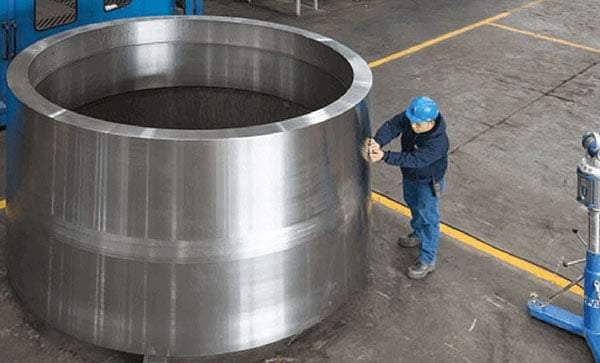
The hollow forging process is a specialized metalworking technique that offers numerous advantages over traditional forging methods. By manipulating metal into hollow shapes, this process allows for the creation of lightweight yet strong components. This blog will explore the benefits of the hollow forging process, providing insights into its applications, efficiency, and impact on manufacturing.
What is the Hollow Forging Process?
The hollow forging process involves shaping heated metal into hollow forms through the use of dies. The metal is typically heated to a malleable state and then placed between two dies that compress and shape it. This technique can produce various shapes, including tubes, cylinders, and more complex geometries.
Key Characteristics of the Hollow Forging Process
Material Efficiency: Reduced material waste due to the hollow nature of the products.
Enhanced Strength: Improved mechanical properties compared to traditional forging.
Versatility: Ability to create a wide range of shapes and sizes.
Cost-Effectiveness: Lower production costs due to reduced material usage and labor.
Advantages of the Hollow Forging Process
Weight Reduction
One of the primary benefits of the hollow forging process is the significant weight reduction it offers. By creating hollow components, manufacturers can produce lighter parts without compromising structural integrity. This is particularly beneficial in industries such as aerospace and automotive, where every gram counts.
Improved Mechanical Properties
The hollow forging process can enhance the mechanical properties of the final product. The process aligns the grain structure of the metal, resulting in increased strength and durability. This means that components can withstand higher stresses and are less likely to fail under load.
Material Savings
The hollow forging process is highly efficient in terms of material usage. Traditional forging often requires more material than necessary, leading to waste. In contrast, hollow forging minimizes excess material, making it a more sustainable choice for manufacturers.
| Comparison of Material Usage | Traditional Forging | Hollow Forging |
|---|---|---|
| Average Material Requirement (kg) | 10 | 6 |
| Waste Percentage | 30% | 10% |
| Net Material Used (kg) | 7 | 5.4 |
Enhanced Thermal Efficiency
Hollow components have a greater surface area relative to volume, which can lead to improved thermal efficiency. This is particularly important in applications such as heat exchangers, where effective heat transfer is crucial.
Flexibility in Design
The hollow forging process offers unparalleled flexibility in design. Engineers can create complex geometries that may be challenging or impossible to achieve with other methods. This opens up new possibilities for innovation in product design.
Shorter Production Times
With advancements in technology, the hollow forging process has become increasingly efficient. Modern machinery allows for rapid production times, reducing lead times for manufacturers. This is essential in a fast-paced market where time-to-market can be a critical factor.
Reduction in Post-Processing
Components produced through the hollow forging process often require less post-processing than those made using traditional methods. The precision of the forging process means that parts can often be used directly after forging, saving time and money.
Applications of the Hollow Forging Process
The hollow forging process is widely used across various industries, including:
Aerospace: For creating lightweight structural components.
Automotive: In manufacturing parts like crankshafts and camshafts.
Oil and Gas: For producing strong, durable pipes and fittings.
Construction: In the creation of robust frameworks and supports.
Conclusion
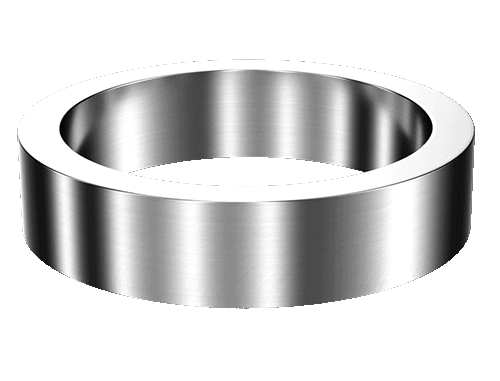
The hollow forging process presents a multitude of benefits that make it an attractive option for manufacturers. From weight reduction and improved mechanical properties to cost-effectiveness and design flexibility, the advantages are clear. As industries continue to demand higher efficiency and sustainability, the hollow forging process is poised to play a significant role in the future of metalwork.
FAQ
What materials can be used in the hollow forging process?
Most metals, including steel, aluminum, and titanium, can be used in the hollow forging process. The choice of material often depends on the intended application and performance requirements.
How does the hollow forging process compare to traditional forging?
While traditional forging often requires more material and can lead to higher waste, the hollow forging process is more efficient, offering better material savings and enhanced mechanical properties.
Is the hollow forging process suitable for large-scale production?
Yes, the hollow forging process is suitable for both small and large-scale production runs, thanks to advancements in machinery and technology.
What industries benefit most from the hollow forging process?
Industries such as aerospace, automotive, oil and gas, and construction benefit significantly from the advantages offered by the hollow forging process.
Can the hollow forging process reduce production costs?
Absolutely. The hollow forging process can lower production costs through reduced material usage, shorter production times, and decreased need for post-processing.
Are there any limitations to the hollow forging process?
While the hollow forging process has many advantages, it may not be suitable for all applications, particularly those requiring solid components or intricate designs that exceed the capabilities of the forging process.
How does the hollow forging process impact sustainability?
By minimizing material waste and energy consumption, the hollow forging process supports sustainable manufacturing practices, making it an environmentally friendly choice for production.
This comprehensive exploration of the benefits of the hollow forging process illustrates its importance in modern metalworking. With its many advantages, it’s clear why this technique is becoming increasingly popular in various industries.