Shandong Qilu lndustrial Co.,Ltd.

Benefits of Steel Forging Parts
Welcome to My Blog!
Before we dive into the content, I’d love for you to join me on my social media platforms where I share more insights, engage with the community, and post updates. Here’s how you can connect with me:
Facebook:https://www.facebook.com/profile.php?id=100090903441806
Now, let’s get started on our journey together. I hope you find the content here insightful, engaging, and valuable.
Table of Contents
Introduction
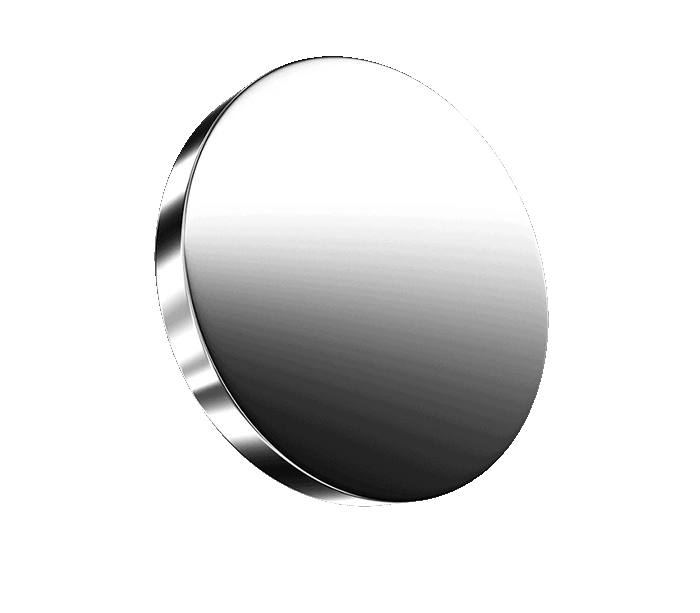
Steel forging is a manufacturing process where steel is shaped using compressive forces. These forces are applied through hammers, presses, or other forging machinery. The process can be performed at various temperatures, including hot forging (high temperatures), warm forging (intermediate temperatures), and cold forging (room temperature). Steel forging is a time-honored technique, producing parts with superior mechanical properties compared to other manufacturing methods like casting or machining. This blog post will delve into the numerous benefits of steel forging parts, highlighting why they are preferred in demanding applications.
Enhanced Mechanical Properties of Steel Forgings
Superior Strength and Durability
One of the primary benefits of forging is the significant improvement in mechanical properties. The forging process refines the grain structure of the steel, eliminating internal voids and porosity often found in castings. This results in a denser, more homogenous material with increased strength, toughness, and fatigue resistance. Steel forgings can withstand higher stresses, impacts, and vibrations compared to parts made by other methods. This makes them ideal for critical applications in industries like aerospace, automotive, and heavy machinery.
Improved Grain Structure in Forging
During forging, the steel’s grain structure is deformed and reoriented along the lines of stress. This creates a “fiber flow” within the part, enhancing its strength in specific directions. This controlled grain flow is a crucial advantage, allowing engineers to design components that can withstand specific load requirements. This is in contrast to casting, where the grain structure is random, leading to weaker and less predictable mechanical properties.
Increased Fatigue Resistance in Forgings
Fatigue failure, caused by repeated stress cycles, is a common concern in many applications. Forgings exhibit significantly higher fatigue resistance due to their refined grain structure and absence of internal defects. The forging process eliminates stress concentration points, making the parts less susceptible to crack initiation and propagation. This is crucial in applications where components are subjected to cyclic loading, such as crankshafts, connecting rods, and gears.
Versatility of Steel Forging Processes
Diverse Forging Techniques
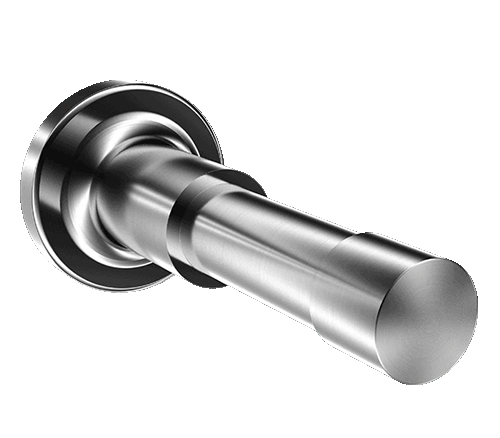
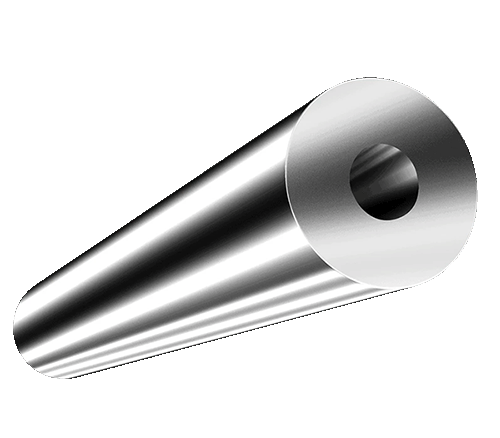
Steel forging encompasses various techniques, each suited for different part geometries and production volumes. These include:
- Open-die forging: Used for large, simple shapes, offering high flexibility.
- Closed-die forging (drop forging): Ideal for complex shapes and high-volume production.
- Impression-die forging: A variation of closed-die forging, creating highly precise parts.
- Roll forging: Used for producing long, cylindrical parts.
This versatility allows steel forging to be applied to a wide range of components, from small fasteners to large structural members.
Customization and Design Flexibility
Steel forging offers excellent design flexibility. The process can produce parts with complex geometries, intricate details, and tight tolerances. This allows engineers to optimize designs for performance and weight reduction. Custom forging dies can be created to meet specific requirements, making it possible to produce unique and specialized components.
Cost-Effectiveness of Steel Forging in the Long Run
Reducing Machining Costs with Forging
While the initial cost of forging dies can be higher than casting molds, forging often leads to overall cost savings. Forged parts require less machining compared to castings, as they have closer tolerances and better surface finishes. This reduces machining time, tooling costs, and material waste.
Extended Service Life of Steel Forged Components
The superior mechanical properties of forgings translate to longer service life and reduced maintenance. Forged parts are less prone to failure, reducing downtime and replacement costs. This is particularly important in critical applications where failures can have significant consequences.
Applications of Steel Forging Across Industries
Forging in the Automotive Industry
Forgings are widely used in the automotive industry for critical components such as crankshafts, connecting rods, gears, axles, and steering knuckles. Their high strength and fatigue resistance ensure the safety and reliability of vehicles.
Forging in the Aerospace Industry
In the aerospace industry, where safety and performance are paramount, forgings are used in landing gear components, engine parts, and structural members. Their high strength-to-weight ratio is essential for aircraft efficiency.
Forging in Heavy Machinery and Industrial Equipment
Steel forgings are essential in heavy machinery and industrial equipment, where they are used in gears, shafts, bearings, and other critical components. Their ability to withstand extreme loads and harsh environments ensures the reliability and longevity of this equipment.
Environmental Benefits
Material Efficiency
Steel forging is a material-efficient process. The forging process minimizes material waste compared to machining from bar stock. Additionally, steel is a recyclable material, further reducing the environmental impact.
Energy Efficiency
Modern forging techniques have improved energy efficiency. Precise control of temperature and forging parameters reduces energy consumption.
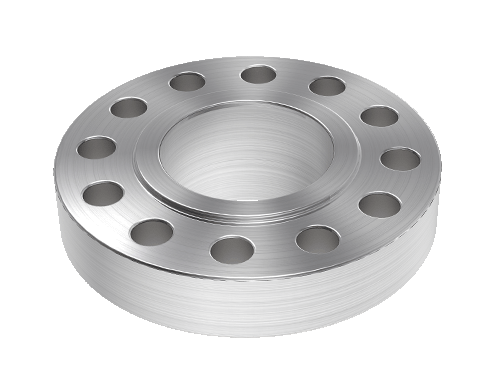
Steel Forging vs. Other Manufacturing Processes
| Feature | Steel Forging | Casting | Machining |
|---|---|---|---|
| Mechanical Properties | Superior strength, toughness, and fatigue resistance | Lower strength, potential for porosity | Strength depends on the original material |
| Grain Structure | Refined grain structure with fiber flow | Random grain structure | Grain structure of the original material |
| Dimensional Accuracy | Good dimensional accuracy with tight tolerances | Lower dimensional accuracy, requires more machining | High dimensional accuracy |
| Production Volume | Suitable for medium to high volumes | Suitable for high volumes | Suitable for low to medium volumes |
| Cost | Lower long-term costs due to reduced machining and longer service life | Lower initial cost, higher machining costs potentially | High cost for complex shapes and large volumes |
Conclusion
Steel forging offers a wide array of benefits, making it the preferred manufacturing process for critical components in numerous industries. The enhanced mechanical properties, versatility, cost-effectiveness, and environmental advantages of steel forgings make them a superior choice compared to other manufacturing methods. As technology continues to advance, steel forging will continue to play a vital role in shaping the world around us, producing strong, reliable, and high-performance components for demanding applications. Steel forging will continue to be a cornerstone of manufacturing for years to come. The future of steel forging looks bright, with ongoing advancements in technology and increasing demand for high-performance components. Manufacturers are continuously developing innovative forging techniques, such as near-net-shape forging and isothermal forging, to further improve efficiency, reduce costs, and enhance the quality of forgings. Steel forging remains a critical manufacturing process, providing robust and reliable components for a wide array of industries. The continued focus on innovation and improvement ensures that forging will remain a vital part of manufacturing for generations to come.
FAQ
What is the difference between forging and casting?
Forging involves shaping metal using compressive forces, while casting involves pouring molten metal into a mold. Forging results in superior mechanical properties.
What types of steel are used in forging?
Various steel alloys are used in forging, including carbon steels, alloy steels, stainless steels, and tool steels. The choice of steel depends on the specific application requirements.
What are the advantages of hot forging over cold forging?
Hot forging allows for greater deformation and is suitable for larger, more complex shapes. Cold forging offers better surface finish and tighter tolerances.
How are steel forgings inspected for quality?
Various inspection methods are used, including visual inspection, dimensional measurement, non-destructive testing (NDT) such as ultrasonic testing and magnetic particle inspection, and mechanical testing.
What industries use steel forgings?
Steel forgings are used in a wide range of industries, including automotive, aerospace, heavy machinery, oil and gas, agriculture, and construction.