Shandong Qilu lndustrial Co.,Ltd.

9 Proven Tips to Spot Reliable Aluminum Forging Suppliers
Table of Contents
Introduction
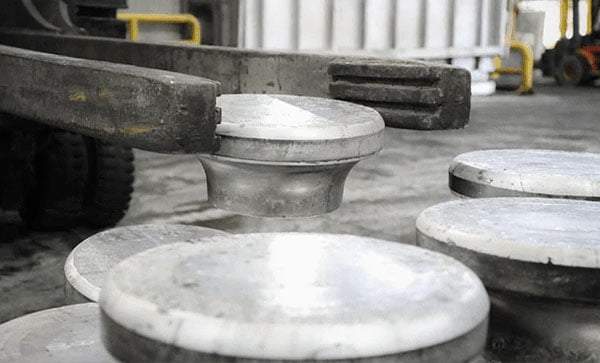
Choosing the right supplier for critical components is vital in today’s demanding manufacturing world, especially for industries relying on lightweight, high-strength aluminum forgings. But with so many global options, how do you find truly dependable aluminum forging suppliers?
As a leading manufacturer of quality forgings, Qilu understands this challenge. We’ve heavily invested in advanced equipment (200-4000 tons) and testing, producing metal forgings from 1 to over 100,000 pieces. With ample stock and global distribution, we ensure fast delivery, keeping your projects on track. This post shares 9 tips for finding reliable aluminum forging suppliers for your needs.
The Criticality of Choosing the Right Supplier
The performance of your final product is only as good as the quality of its individual components. For aluminum forgings, where precise metallurgical properties and dimensional accuracy are paramount, partnering with a reliable supplier isn’t just a preference—it’s a necessity. A dependable aluminum forging suppliers can significantly impact your project’s success, lead times, cost-efficiency, and ultimately, your reputation.
Why Supplier Reliability Matters for Aluminum Forgings
Aluminum forgings are selected for their superior strength-to-weight ratio, excellent fatigue resistance, and refined grain structure. If the forging process isn’t executed perfectly, these inherent benefits can be compromised, leading to weaker parts, increased scrap rates, and potential product failures. A reliable supplier ensures consistent material quality, adheres to strict process controls, and stands behind their products. This level of dependability minimizes risks in your supply chain and guarantees that the aluminum forgings you receive will perform as expected in their demanding applications. It’s not just about getting parts; it’s about getting parts you can trust, time and time again.
9 Proven Tips to Spot Reliable Aluminum Forging Suppliers
Navigating the market for the best aluminum forging suppliers requires a systematic approach. Here are key factors and tips to guide your selection process.
NO 1. Evaluate Industry Experience and Track Record
Experience is often the best teacher. A supplier with a long history in the aluminum forging industry likely possesses deep knowledge, refined processes, and a proven ability to handle complex projects. Look for how long they’ve been in business, their portfolio of past projects, and their experience with clients in your specific industry. A strong track record indicates stability, expertise, and a network of satisfied customers. Experienced aluminum forging suppliers have already faced and overcome numerous challenges, which translates into smoother project execution for you. They understand the nuances of various aluminum alloys and their forging behavior.
NO 2. Assess Quality Certifications and Standards Adherence
Quality should be non-negotiable. Reputable aluminum forging suppliers will hold relevant certifications such as ISO 9001, AS9100 (for aerospace), or IATF 16949 (for automotive). These certifications demonstrate a commitment to rigorous quality management systems and continuous improvement. Beyond certifications, inquire about their internal quality control processes, including incoming material inspection, in-process monitoring, and final product testing. Ask about their use of Non-Destructive Testing (NDT) methods like ultrasonic testing, magnetic particle inspection, and radiographic testing to ensure internal integrity. A supplier committed to international quality standards provides assurance that their aluminum forgings will meet your specifications.
NO 3. Review Technical Capabilities and Equipment
The quality and capabilities of a supplier’s equipment directly impact the forgings they can produce. Investigate their forging press capacities (e.g., tonnage), their ability to handle various aluminum alloys, and their expertise in different forging methods (open-die, closed-die, ring rolling, etc.). Do they have state-of-the-art heating furnaces with precise temperature control? Do they possess in-house machining, heat treatment, and finishing capabilities? A supplier with comprehensive technical capabilities can offer a more integrated and controlled manufacturing process, often leading to better quality and faster turnaround times. Advanced equipment also indicates a commitment to staying competitive and producing high-precision aluminum forgings.
NO 4. Investigate Material Sourcing and Traceability
The quality of the final aluminum forging starts with the raw material. Reliable aluminum forging suppliers maintain strict control over their material sourcing, ensuring they only use high-grade aluminum billets from approved and reputable mills. Inquire about their material traceability system – can they trace every batch of raw material used for your specific order back to its origin? This level of transparency is crucial for accountability and for quickly identifying the root cause of any potential material-related issues. Proper material handling and storage are also indicators of a supplier’s dedication to quality.
NO 5. Demand Robust Quality Control and Testing Protocols
Beyond certifications, delve into the specifics of their quality control (QC) and testing protocols. What tests do they perform at each stage of the forging process? Do they conduct mechanical testing (tensile, yield, impact, fatigue), chemical analysis, and metallurgical analysis? Ask for examples of their quality documentation, such as material test reports (MTRs) and inspection reports. A proactive and transparent approach to quality control, coupled with comprehensive testing capabilities, is a hallmark of reliable aluminum forging suppliers. They should have a clear process for handling non-conformances and implementing corrective actions.
NO 6. Assess Communication and Customer Service
Effective communication is fundamental to a successful supplier relationship. A reliable supplier should be responsive, transparent, and proactive in their communication. Do they assign a dedicated project manager? Are they quick to respond to inquiries and provide updates? Do they offer technical support and collaborate on design optimization? Good customer service also involves their willingness to address concerns, provide clear timelines, and be flexible where possible. An aluminum forging suppliers that values strong communication will be a better partner in achieving your project goals.
NO 7. Consider Lead Times and Delivery Reliability
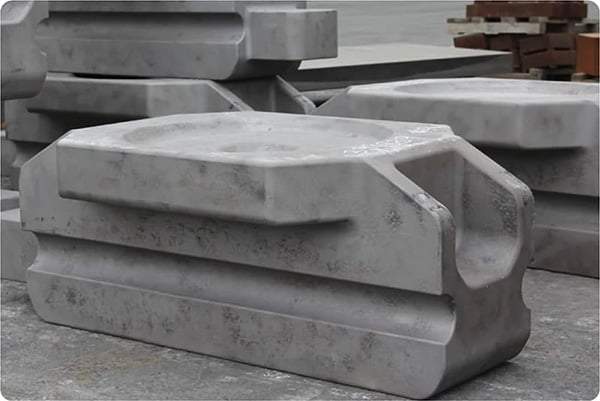
Timely delivery is crucial for maintaining your production schedules and meeting market demands. Inquire about their typical lead times for various types of aluminum forgings and their track record for on-time delivery. Do they have contingency plans for unforeseen delays? A supplier with efficient logistics, ample stock, and a robust production planning system can provide greater assurance of timely deliveries. This is where Qilu’s significant inventory and global distribution services become a key advantage, ensuring rapid delivery and minimizing project delays. Reliable aluminum forging suppliers understand the importance of your deadlines.
NO 8. Request References and Case Studies
Don’t hesitate to ask for references from current or past clients, especially those in similar industries or with comparable project requirements. Speaking directly with other customers can provide invaluable insights into a supplier’s reliability, quality, and overall service. Reviewing case studies can also demonstrate their problem-solving abilities and their capacity to handle specific challenges in aluminum forging. A reputable supplier will be confident in providing these testimonials.
NO 9. Evaluate Cost vs. Value
While cost is always a factor, it should never be the sole determinant. The cheapest option often comes with hidden costs related to poor quality, delays, rework, or material waste. Instead, evaluate the overall value proposition. Consider the long-term benefits of superior quality: reduced assembly time, fewer product failures, longer component lifespan, and enhanced brand reputation. A reliable aluminum forging suppliers might not offer the lowest price upfront, but their consistent quality and dependable service can lead to significant cost savings over the entire project lifecycle.
Comparative Factors in Supplier Evaluation
To simplify your evaluation process, consider the following checklist of factors when assessing potential aluminum forging suppliers. This table provides a quick reference for your due diligence.
| Evaluation Category | Key Questions to Ask / Factors to Check | Why It Matters for Aluminum Forgings |
| Experience & Reputation | – Years in business? – Client portfolio? – Industry specific experience? | – Indicates expertise in complex forging metallurgy and processes. |
| Certifications | – ISO 9001, AS9100, IATF 16949? – Specific material certifications? | – Demonstrates commitment to established quality management systems. |
| Technical Capability | – Forging press tonnage? – Alloy specialization? – In-house heat treatment/machining? | – Ensures they can handle your part size, material, and required precision. |
| Quality Control | – QC processes? – NDT capabilities? – Traceability system? – Defect resolution? | – Guarantees consistent material properties, internal integrity, and dimensions. |
| Material Sourcing | – Approved raw material suppliers? – Incoming material inspection protocols? | – Ensures the foundational quality of the aluminum alloy. |
| Communication | – Responsiveness? – Dedicated contact? – Technical support availability? | – Facilitates smooth project flow and problem-solving. |
| Lead Times & Logistics | – Typical lead times? – On-time delivery rate? – Global shipping capability? | – Crucial for managing your production schedule and supply chain efficiency. |
| Customer References | – Can they provide references from similar industries/projects? | – Provides independent validation of their performance and reliability. |
| Value Proposition | – Overall long-term cost? – Quality vs. price balance? – Hidden costs (rework, delays)? | – Ensures you get the best return on investment beyond just upfront price. |
The Qilu Advantage in Aluminum Forging
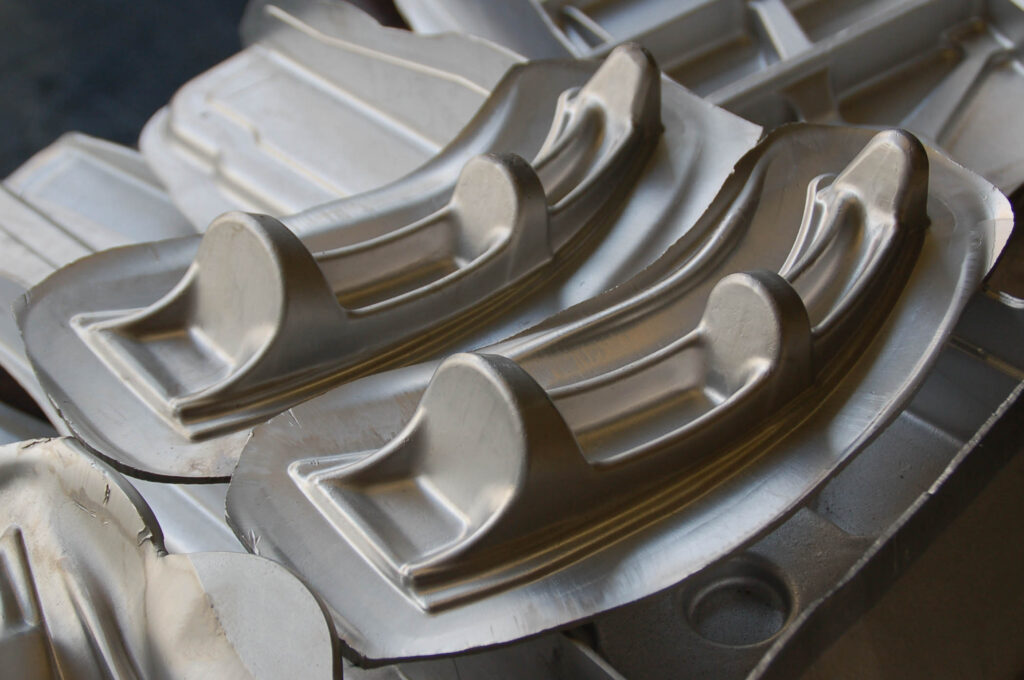
At Qilu, we strive to embody all the characteristics of a reliable aluminum forging suppliers. Our extensive investment in advanced forging equipment, ranging from 200 tons to 4000 tons, provides us with unmatched capabilities to produce high-quality components, including complex shafts, rings, and discs. We are equipped to handle a wide spectrum of project sizes, from intricate small parts to massive industrial forgings weighing over 100,000 pieces.
Our commitment to quality is ingrained in every step of our process, supported by state-of-the-art testing facilities and rigorous quality control protocols. We believe in transparency and robust communication, ensuring our clients are informed and confident throughout their project lifecycle. With ample stock and a highly efficient global distribution network, we pride ourselves on our ability to deliver orders swiftly and reliably, helping you to maintain your project schedules and budget. Partnering with Qilu means choosing a supplier dedicated to precision, reliability, and long-term value in aluminum forgings.
Conclusion
Identifying reliable aluminum forging suppliers is crucial for your product’s success. By evaluating experience, certifications, capabilities, traceability, and communication, you can choose partners for robust, high-performance components. Prioritize value over just cost to secure your supply chain and ensure longevity.
Choosing the right aluminum forging partner is a strategic move. Qilu delivers precision-engineered aluminum forgings meeting demanding specifications. Experience unparalleled quality, extensive capabilities, and dedicated service. To discuss your needs and gain a competitive edge, contact us today.
FAQ
Why is a supplier’s experience particularly important for aluminum forging suppliers?
Experience is crucial for aluminum forging suppliers because it indicates a deep understanding of the unique metallurgical properties of various aluminum alloys, their behavior during forging, and the specific challenges in achieving precise dimensions and optimal grain flow. Experienced suppliers are more adept at handling complex designs and ensuring consistent quality.
What certifications should I look for in a reliable aluminum forging suppliers?
For general quality management, look for ISO 9001. For aerospace applications, AS9100 is highly desirable. For automotive components, IATF 16949 is a key certification. These demonstrate a supplier’s adherence to stringent quality control and management systems.
How do I verify the quality control processes of an aluminum forging suppliers?
Ask for their quality control manuals, inquire about their in-process inspection points, and specifically ask about their Non-Destructive Testing (NDT) capabilities (e.g., ultrasonic testing, magnetic particle inspection). Request sample material test reports (MTRs) and defect resolution procedures.
Does the size of the forging equipment matter when choosing a suppliers?
Yes, the size of the forging equipment (e.g., press tonnage) directly dictates the size and complexity of the aluminum forgings a supplier can produce. Ensure their equipment capabilities align with the dimensions and weight requirements of your specific components.
Can Qilu provide tailored solutions for custom aluminum forging requirements?
Absolutely. Qilu specializes in custom manufacturing. Our diverse range of forging equipment (200 tons to 4000 tons) and extensive production capacity (1 to over 100,000 pieces) enable us to produce aluminum forgings tailored to highly specific designs, material grades, and performance needs, ensuring precision-engineered solutions for unique applications.