Shandong Qilu lndustrial Co.,Ltd.

How Alloy Steel Forging Improves Your Manufacturing Efficiency
Table of Contents
Introduction
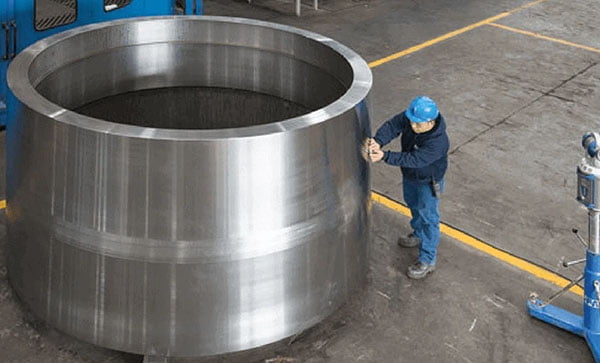
Manufacturers across various industries are always striving to improve efficiency, reduce costs, and enhance the performance of their products. Alloy steel forging plays a crucial role in achieving these objectives by offering significant improvements in product strength, durability, and production speed. Whether you’re producing parts for heavy machinery, automotive applications, or other industrial sectors, understanding the benefits of alloy steel forging is essential for optimizing your production processes.
At Qilu, we specialize in manufacturing high-quality forged alloy steel components that meet industry standards. With our advanced forging equipment and testing facilities, we ensure that every component is crafted to the highest level of precision, helping our clients increase productivity and reduce downtime.In this blog, we’ll explore the key benefits of alloy steel forging, how it improves manufacturing efficiency, and why it’s the go-to solution for companies seeking durable, high-performance parts.
What is Alloy Steel Forging and How It Works?
Before we delve into its benefits, let’s define alloy steel forging. This process involves shaping heated alloy steel under pressure, often using hammers or presses, to create parts that are stronger, more durable, and more precise than those produced by casting or machining alone.
The forging process aligns the grain structure of the alloy steel, making it more resistant to wear, fatigue, and other stresses. The result is a product with superior mechanical properties and enhanced durability, which directly contributes to improved manufacturing efficiency. b
Why Choose Alloy Steel Forging for Manufacturing Efficiency?
Improved Durability and Strength
One of the key reasons why alloy steel forging enhances manufacturing efficiency is its impact on the strength and durability of components. Forged parts are more resistant to stress, fatigue, and wear compared to cast or machined components, making them ideal for high-stress applications. For example, parts used in heavy machinery, automotive engines, or aerospace components need to withstand extreme pressures and temperatures. Forged alloy steel provides the durability necessary to perform in such demanding environments, reducing the frequency of maintenance and replacement.
Reduced Scrap and Waste
Alloy steel forging is more efficient than traditional casting methods, which often result in more scrap and material waste. The forging process uses nearly 100% of the material, which means less material is wasted. This is especially crucial for manufacturers aiming to reduce costs and optimize material usage.
Faster Production Times
Because forged parts have superior material properties and can be manufactured with higher precision, the need for post-processing is often minimized. This leads to faster production cycles and reduced downtime, helping manufacturers meet tight deadlines and increasing overall production throughput.
Alloy Steel Forging vs. Casting: Which is More Efficient?
While casting is a popular manufacturing method, forged alloy steel has distinct advantages when it comes to durability, strength, and production speed. Forging eliminates the need for lengthy cooling periods and allows manufacturers to produce parts with fewer defects and greater consistency.
In comparison, casting can introduce porosity and other flaws, which can compromise the structural integrity of the component. Forged alloy steel, on the other hand, offers better control over material flow and part shape, ensuring a higher-quality end product.
How Alloy Steel Forging Reduces Production Downtime
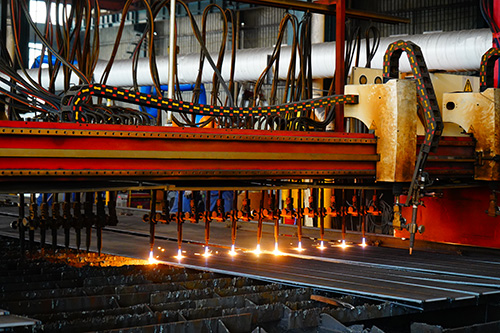
Downtime is one of the most significant costs in manufacturing. Whether due to equipment failure, part replacement, or quality issues, it can severely affect production schedules. Forged alloy steel reduces these risks by producing parts that are stronger, more durable, and less prone to failure.
Forged components typically have fewer defects, resulting in fewer replacements or repairs needed throughout their lifespan. This leads to more consistent production schedules and reduced downtime, ultimately improving manufacturing efficiency.
Table: Advantages of Alloy Steel Forging vs. Casting
| Feature | Alloy Steel Forging | Casting |
|---|---|---|
| Material Strength | Higher strength and durability | Lower strength, prone to flaws |
| Production Speed | Faster production cycles | Slower, due to cooling time |
| Waste Reduction | Minimal material waste | High scrap rates |
| Cost Efficiency | More cost-effective over time | Higher long-term costs |
| Maintenance | Reduced maintenance and downtime | Frequent part replacements |
How Alloy Steel Forging Enhances Product Quality
Another key advantage of alloy steel forging is its ability to consistently produce high-quality parts. The forging process results in components that have superior mechanical properties, including greater tensile strength, fatigue resistance, and impact toughness. This leads to parts that not only last longer but also perform better in demanding applications.
Better Precision and Consistency
Forging allows for better control over part dimensions and shape. The process uses molds that are carefully designed to ensure each component is produced with high precision, which improves overall product consistency. This precision leads to fewer defects and rejects, ensuring that the parts meet exact specifications, which in turn improves efficiency.
The Role of Alloy Steel Forging in Heavy Equipment Manufacturing
Alloy steel stands as the most frequently utilized metal for forging, primarily due to its superior strength, wear resistance, and toughness when compared to carbon steel forgings. The precise combination of alloys and elements plays a pivotal role in determining the physical strength and properties of the metal.
Heavy equipment used in construction, mining, and energy production must be durable and able to withstand extreme operating conditions. Forged alloy steel plays a critical role in producing parts that can endure high stresses, heavy loads, and abrasive environments.
Forged alloy steel parts, such as gears, shafts, and engine components, are essential for heavy machinery due to their superior strength and resistance to wear and tear. This contributes to longer-lasting equipment, reduced downtime, and enhanced overall performance.
Conclusion
Alloy steel forging is an indispensable tool in modern manufacturing, offering numerous advantages that directly impact manufacturing efficiency. From improved durability and strength to reduced scrap and waste, forged alloy steel components enhance the quality, performance, and longevity of products. By choosing alloy steel forging, manufacturers can streamline their processes, minimize downtime, and reduce overall production costs.
At Qilu, we specialize in high-quality forged alloy steel components designed to meet the toughest industrial standards. With our advanced equipment and expertise, we ensure your parts are forged to perfection, helping you boost your manufacturing efficiency. Contact us today to learn more about how our forging solutions can benefit your business.
FAQ
What are the advantages of alloy steel forging over casting?
Alloy steel forging offers superior strength, reduced waste, and faster production times compared to casting, making it more efficient in high-stress applications.
Can alloy steel forging be used for high-volume production?
Yes, alloy steel forging is ideal for high-volume production as it provides consistent quality and faster turnaround times.
How does forged alloy steel improve part durability?
Forging aligns the grain structure of the material, resulting in parts that are more resistant to wear, fatigue, and high-stress conditions.
Is alloy steel forging cost-effective?
While the initial investment in forging equipment may be higher, the long-term cost savings from reduced waste, improved part quality, and lower maintenance make it a cost-effective solution.
What industries benefit most from forged alloy steel?
Industries such as automotive, aerospace, heavy machinery, and energy production benefit significantly from the strength and durability of forged alloy steel components.