Shandong Qilu lndustrial Co.,Ltd.

How Alloy Steel Forgings Enhance Performance in Automotive Industry Parts
The automotive industry has long relied on alloy steel forgings to improve performance and safety. Known for their durability and strength, these materials are essential in applications from engine components to structural parts. By incorporating them into critical automotive elements, manufacturers can enhance vehicle performance, reduce wear, and ensure long-lasting reliability. This article explores how alloy steel forgings are transforming the automotive sector, ensuring parts are both lightweight and capable of handling the demanding conditions of modern vehicles.
Table of Contents
What Makes Alloy Steel Forgings Ideal for Automotive Parts?
Forged steel is superior in strength and reliability compared to other steel types. The forging process involves applying high pressure to metal, which alters its structure to produce a denser, more uniform material. This results in parts that are not only stronger but also more resistant to fatigue, wear, and high temperatures. These qualities make this material particularly valuable for automotive parts exposed to extreme conditions.
Unlike cast or welded parts, alloy steel forgings offer a high level of mechanical performance. The material’s uniformity ensures that stress is evenly distributed across the part, reducing the risk of failure under pressure. This makes them especially crucial for components like engine blocks, transmission shafts, and suspension parts.
Key Automotive Components Enhanced by Alloy Steel Forgings
Several vital automotive components benefit from the strength and durability provided by forged steel. Here are some examples:
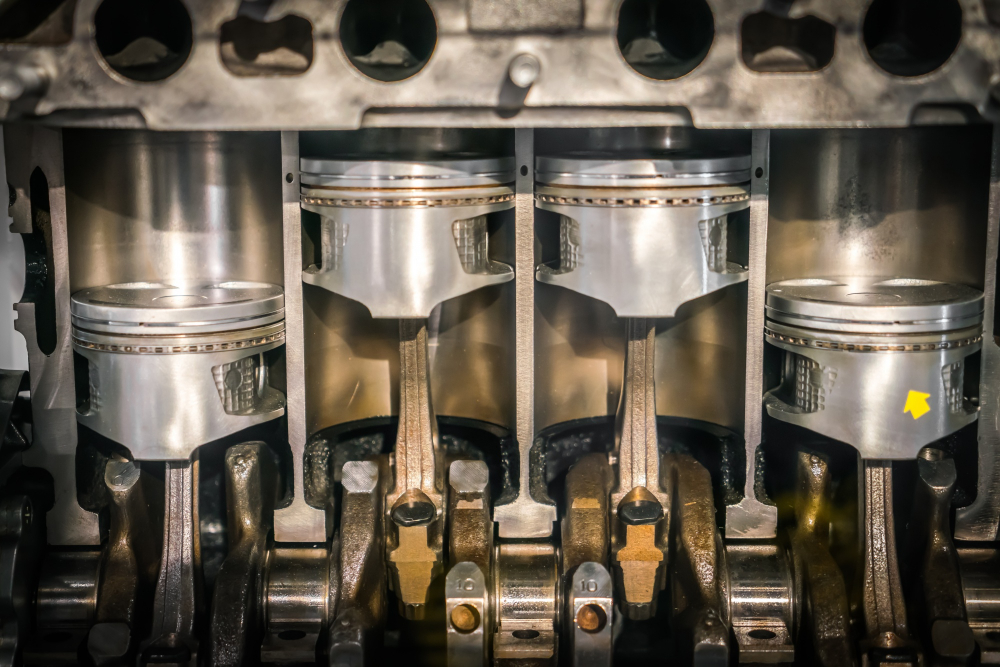
Engine Components:
Engine parts such as crankshafts, camshafts, and pistons are subjected to immense stress and heat. Alloy steel forgings ensure these components can withstand high temperatures and pressures without compromising on performance or longevity. By using forged components, manufacturers ensure that these parts are both reliable and efficient over time.

Suspension and Steering:
Steering components and suspension links are essential for vehicle stability. These parts are exposed to constant forces and vibrations, so alloy steel forgings are used to increase their strength and fatigue resistance. The forged parts help improve vehicle handling, ensuring a smoother, safer ride, especially on rough terrains.
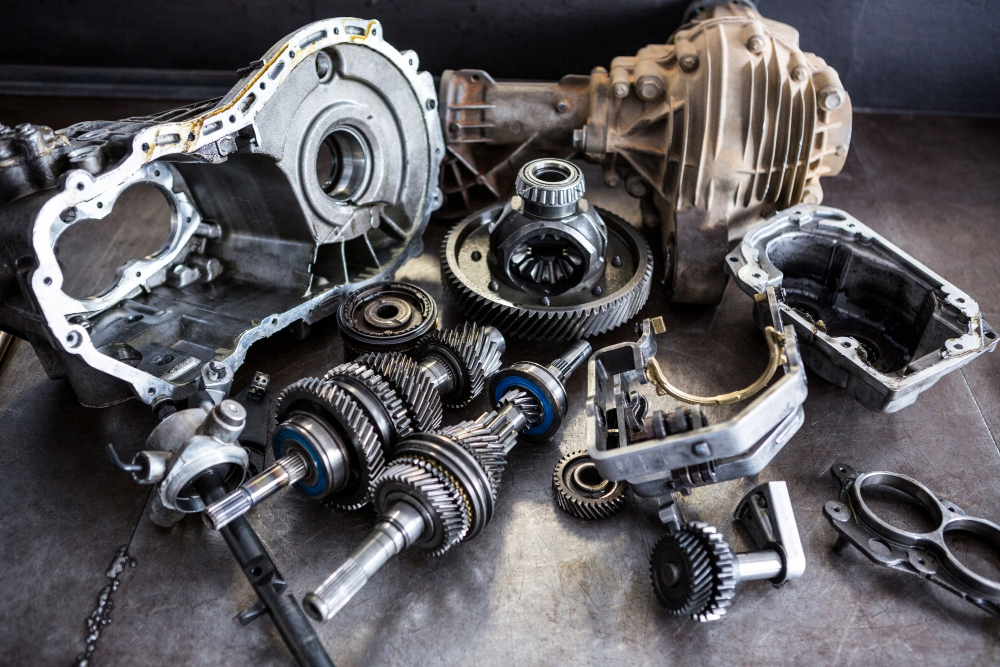
Transmission and Drivetrain:
In the transmission system, parts like gears, shafts, and bearings are critical for power transfer. Forged steel provides the necessary strength to handle high torque without the risk of premature wear. This helps improve drivetrain efficiency and vehicle performance, especially in high-performance cars and heavy-duty vehicles.
Braking System:
The braking system, crucial for safety, also benefits from the strength of alloy steel forgings. Brake rotors, calipers, and components exposed to high temperatures and pressures are forged to improve their durability. The high thermal resistance of forged steel ensures that braking systems maintain reliability under heavy use, increasing safety on high-speed vehicles.
The Impact of Alloy Steel Forgings on Automotive Safety
Safety is a top priority in vehicle manufacturing, and forged steel plays a crucial role in enhancing safety features. For example:
Crash Resistance:
- Alloy steel is used in key structural parts of the vehicle, such as crash beams and door frames. These parts are designed to absorb impact during a collision, reducing the force transferred to the occupants. The strength of alloy steel ensures that these components perform effectively, improving vehicle crashworthiness.
Impact and Fatigue Resistance:
- In automotive applications, components are frequently exposed to cyclic loading, where forces are applied and removed repeatedly. Alloy steel forgings excel in this area due to their fatigue resistance. Parts such as suspension arms and steering knuckles benefit from this characteristic, providing better performance and durability in everyday driving conditions.
Alloy Steel Forgings and the Push for Lightweight Vehicles
In the face of rising fuel efficiency standards and increasing environmental concerns, automakers are constantly striving to reduce vehicle weight without sacrificing strength or safety. Alloy steel forgings offer a unique solution to this challenge.
By using high-strength forged parts, automakers can reduce the overall weight of the vehicle while maintaining or even improving the strength of critical components. This lightweight advantage is particularly important in engine parts, where reducing weight can improve fuel efficiency and reduce emissions.
While other materials like aluminum are often used for lightweighting, alloy steel forgings are preferred in applications requiring higher strength and impact resistance, such as structural parts and drivetrain components.
The Future of Alloy Steel Forgings in Automotive Manufacturing
As the automotive industry continues to evolve, the demand for high-performance materials will only increase. Emerging technologies such as electric vehicles (EVs) and autonomous driving systems place new demands on automotive components, and alloy steel is well-positioned to meet these challenges.
For EVs, components like battery housings and electric motor parts benefit from the strength and durability of alloy steel forgings, ensuring that these vehicles can handle the stresses of heavy use and high-speed driving. Likewise, as autonomous vehicles become more prevalent, the need for components that are both lightweight and incredibly strong will drive further adoption of forged steel parts.
Furthermore, forged steel will play an integral role in new automotive manufacturing techniques such as 3D printing and additive manufacturing. As these technologies advance, forged steel can be utilized in innovative ways, offering strength, precision, and customizability that are essential for cutting-edge automotive design.
The Lasting Impact of Alloy Steel Forgings on Automotive Performance
In conclusion, alloy steel forgings play a vital role in the automotive industry. From enhancing safety to improving performance and efficiency, they provide the strength, durability, and reliability modern vehicles demand. Whether in traditional combustion engines or next-generation electric models, these components will remain essential to automotive manufacturing for years to come.