Shandong Qilu lndustrial Co.,Ltd.

Choosing the Best Alloy Steel Forging Manufacturers
Table of Contents
Introduction
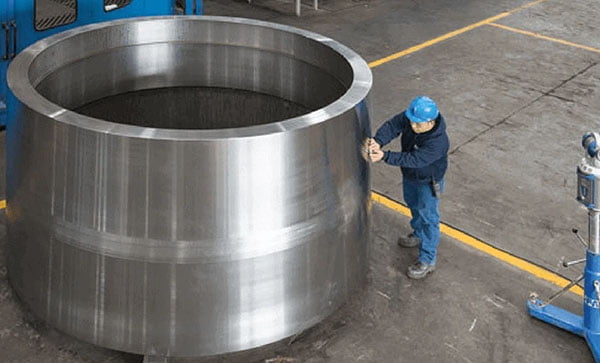
In the manufacturing industry, alloy steel forging plays a crucial role in producing durable, reliable, and high-performance parts across various industries, from automotive to aerospace. Choosing an alloy steel forging manufacturers is critical, as it directly impacts the quality, strength, and functionality of the finished product. However, with so many manufacturers to choose from, how can you ensure you select the one that best meets your specific needs?
In this blog, we will explore the key factors to consider when selecting an alloy steel forging manufacturers, the importance of certifications and technology, and why this material is so highly sought after for high-demand applications. Whether you are in the automotive, energy, or heavy machinery industry, understanding the advantages of top-tier manufacturers will help you make more informed decisions.
Key Factors to Consider When Choosing Alloy Steel Forging Manufacturers
When selecting an alloy steel forging manufacturers, several crucial factors should guide your decision. The primary considerations include:
- Quality Assurance: Look for manufacturers with established quality control procedures. They should adhere to industry standards and implement rigorous testing to ensure that every forging meets the desired specifications.
- Experience: Manufacturers with a long-standing history in alloy steel forging are often more reliable, having refined their processes and developed a keen understanding of customer needs. Experienced manufacturers can better handle complex requirements and deliver higher-quality products.
- Customization Capabilities: Depending on your needs, a manufacturer that offers customized solutions can be invaluable. Whether you require specific alloy grades, sizes, or unique features, a top-tier manufacturer should be able to meet these demands.
How Alloy Steel Forging Manufacturers Ensure Product Quality
Ensuring the quality of alloy steel forgings involves several steps that manufacturers follow rigorously. These include:
- Raw Material Selection: High-quality alloy steel is essential to ensuring the durability and strength of the forged parts. Manufacturers should source materials from reputable suppliers to guarantee consistency.
- Heat Treatment: Alloy steel forgings undergo precise heat treatment to enhance their mechanical properties, ensuring the final products are strong, durable, and resistant to wear.
- Non-Destructive Testing: Many alloy steel forging manufacturers perform non-destructive testing (NDT) techniques such as ultrasonic and X-ray testing to detect internal flaws without damaging the parts.
Cost Considerations When Choosing Alloy Steel Forging Manufacturers
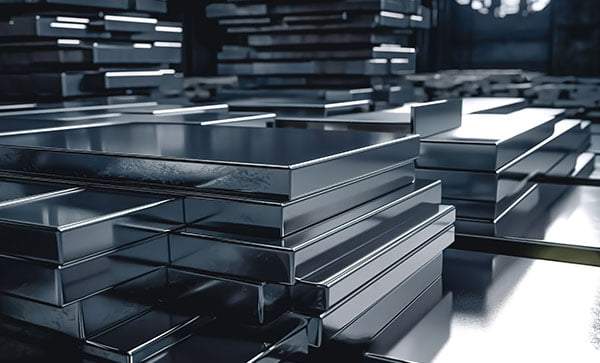
Cost is a key consideration when choosing alloy steel forging manufacturers, but it should not be the only deciding factor. The price of forgings can vary based on the complexity of the design, the alloy used, and the volume of production. Keep in mind that cheaper alternatives may compromise on quality or require higher maintenance costs in the long run.
- Cost vs. Quality: A lower price tag may seem appealing, but cutting corners in material selection or manufacturing processes could lead to parts that fail prematurely. It’s essential to balance cost savings with product quality.
- Long-Term Investment: While initially higher, choosing a high-quality alloy steel forging manufacturers can lead to lower overall costs due to fewer replacements and repairs.
How Alloy Steel Forging Improves Product Performance
One of the main reasons alloy steel forging is preferred in many industries is its ability to improve product performance. Through the forging process, the material is compacted under high pressure, eliminating voids and inconsistencies that would weaken the part if cast.
- Increased Strength and Toughness: Forged parts have superior mechanical properties such as higher tensile strength, fatigue resistance, and impact toughness. This makes them ideal for use in high-stress applications.
- Enhanced Durability: Alloy steel forgings are highly durable and can withstand harsh conditions, making them ideal for use in heavy machinery, automotive components, and structural applications.
How Alloy Steel Forging Affects Manufacturing Efficiency
The use of alloy steel forgings can significantly enhance manufacturing efficiency. Here’s how:
- Reduced Waste: Unlike casting, which may require additional machining or rework, forging minimizes material waste by shaping the part with fewer defects.
- Faster Production Times: Forged parts typically require less post-processing and can be produced more quickly than cast parts, improving overall production timelines.
Alloy Steel Forging for Critical Engineering Applications
In critical engineering applications, where safety and performance are paramount, alloy steel forgings offer several advantages:
- High-Pressure Environments: Alloy steel forgings are capable of withstanding extreme pressures and temperatures, making them essential in industries such as oil and gas, aerospace, and power generation.
- Longer Lifespan: The improved strength and resistance to wear and corrosion make alloy steel forgings more reliable over the long term.
The Role of Technology in Alloy Steel Forging
The role of technology in alloy steel forging has been a game-changer in improving both quality and efficiency. Advanced technologies such as:
- Computer Numerical Control (CNC): CNC machines are used to ensure precision in the forging process, resulting in parts with tight tolerances and higher performance.
- 3D Simulation and Modeling: Many manufacturers now use advanced simulation software to predict material behavior during forging, enabling them to optimize the process for better results.
How Alloy Steel Forging Helps in Customization for Specific Needs
Alloy steel forging is a highly adaptable process that can be tailored to meet specific needs. Manufacturers can work with you to design and forge parts that meet the exact requirements of your project.
- Custom Alloy Formulations: For specialized applications, manufacturers can forge alloy steel with custom chemical compositions for improved properties like corrosion resistance, wear resistance, or heat resistance.
- Variety of Shapes and Sizes: From small, intricate components to large, heavy-duty parts, alloy steel forging can accommodate a wide range of part sizes and shapes.
Advantages of Working with Experienced Alloy Steel Forging Manufacturers
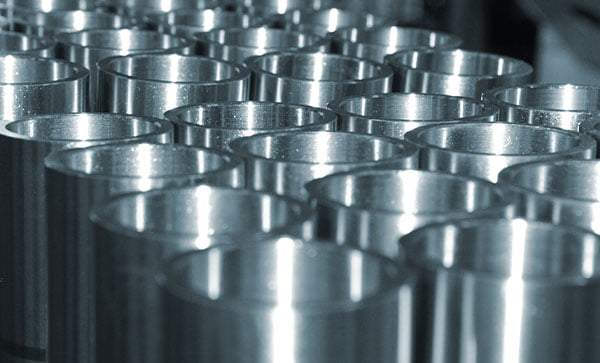
Experienced alloy steel forging manufacturers offer several advantages:
- Expertise: With years of experience, these manufacturers understand how to optimize the forging process, deliver better products, and solve any problems that arise.
- Consistency: Experienced manufacturers maintain consistency in product quality, ensuring that every part meets your specifications and quality standards.
How Alloy Steel Forging Meets Industry Standards and Certifications
Top-tier alloy steel forging manufacturers will be certified by industry standards such as ISO 9001, AS9100, or other relevant certifications. These certifications indicate that a manufacturer adheres to best practices and has the necessary quality control processes in place.
Table: Comparison of Common Alloy Steel Forging Applications
| Industry | Common Uses of Alloy Steel Forging | Benefits of Forging | Key Material Properties Needed |
|---|---|---|---|
| Automotive | Engine components, gears, shafts | High strength, precision | Wear resistance, toughness |
| Aerospace | Aircraft landing gear, turbine blades | Lightweight, durable | Fatigue resistance, heat resistance |
| Oil & Gas | Pump components, valves | Corrosion resistance | Strength, toughness, fatigue resistance |
| Power Generation | Turbine parts, valves | High pressure tolerance | High strength, heat resistance |
Conclusion
Choosing the right alloy steel forging manufacturers is essential to ensuring that your parts meet the highest standards of quality and performance. By considering key factors such as experience, technology, and certifications, you can make a more informed decision and secure a reliable manufacturing partner.
At Qilu, we specialize in producing high-quality forged alloy steel components for a wide range of industries, from automotive to aerospace. If you’re ready to source high-performance alloy steel forgings for your next project, contact us today to discuss your requirements. Our team is here to help you with tailored solutions and high-quality products designed for durability and performance.
FAQ
What makes alloy steel forgings better than cast parts?
Alloy steel forgings offer superior mechanical properties, including better strength, fatigue resistance, and durability. Forging also reduces defects and waste compared to casting, ensuring higher quality and consistency.
How do I know if an alloy steel forging manufacturers is reliable?
Look for manufacturers with industry certifications (e.g., ISO 9001) and positive customer reviews. You should also consider their experience in the field, technological capabilities, and ability to meet your customization requirements.
Can alloy steel forgings be customized for specific needs?
Yes, alloy steel forgings can be tailored to meet the exact specifications required for your application, including custom alloy formulations, shapes, and sizes.