Shandong Qilu lndustrial Co.,Ltd.

Stainless Steel Forge: Strengthening Industrial Applications
Table of Contents
Introduction
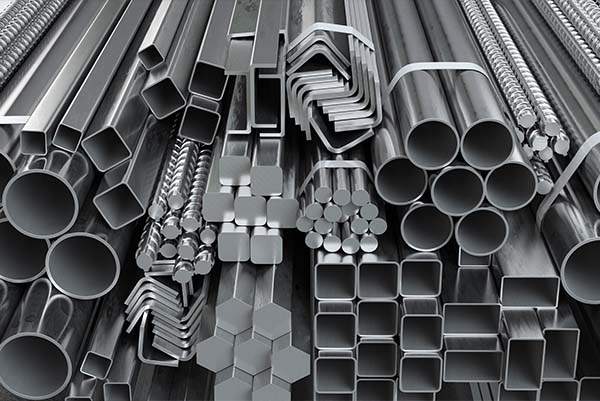
In the modern industrial landscape, the materials you choose can have a significant impact on the longevity and performance of your products. Stainless steel has long been a preferred material for its strength, durability, and resistance to corrosion. When this steel is forged, its properties are enhanced even further, making it suitable for demanding industries such as aerospace, automotive, and manufacturing.
At Qilu, we specialize in manufacturing high-quality forged stainless steel components, including shafts, rings, and discs. With our advanced equipment and stringent testing, we provide solutions that meet the most rigorous requirements across industries worldwide. In this blog, we’ll explore why stainless steel forging is essential for industrial applications and how it can elevate your product’s performance.
What is Stainless Steel Forge and How Does it Work?
Stainless steel forging is the process of shaping stainless steel by applying pressure to the heated metal. Unlike casting, where molten steel is poured into molds, forging involves compressing the steel to improve its internal structure. This results in a material that has enhanced strength, better durability, and improved resistance to fatigue.
The forging process aligns the grain structure of the stainless steel, making it denser and more robust. This is one of the reasons why forged stainless steel is preferred for high-stress applications that demand superior performance and reliability.
How Stainless Steel Forge Enhances Product Durability
One of the main reasons industries opt for stainless steel forging is its ability to improve the durability of products. Forged stainless steel undergoes a process that strengthens its internal structure, making it more resistant to wear, impact, and fatigue.
By forging stainless steel, components are less prone to failure, even in harsh environments. This results in longer-lasting products, reduced maintenance costs, and fewer replacements, which is critical in high-stakes industries like aerospace, automotive, and heavy machinery.
Key Benefits:
- Increased strength and toughness
- Superior resistance to wear and corrosion
- Better fatigue resistance
Applications of Stainless Steel Forge in Industrial Manufacturing
Stainless steel forged components are essential across a variety of industries, particularly in applications that demand high strength, durability, and reliability. Here’s a table showcasing how stainless steel forge benefits different sectors:
| Industry | Applications | Key Benefits |
|---|---|---|
| Aerospace | Aircraft engine parts, landing gear, turbine blades | Enhanced strength, resistance to high temperatures and stress |
| Automotive | Suspension systems, engine components, shafts | Durability, high strength, wear resistance |
| Marine | Propellers, ship components | Corrosion resistance, longevity in harsh seawater environments |
| Manufacturing | Industrial machinery parts, valves, pumps | Wear resistance, improved mechanical properties |
| Medical | Surgical tools, implants | Biocompatibility, high tensile strength |
This table highlights just a few of the many applications of forged stainless steel across industries where strength and durability are paramount.
Stainless Steel Forge vs. Cast Stainless Steel: Which is Better?
Both stainless steel forging and casting are common methods of manufacturing stainless steel components, but each has distinct differences. Here’s a comparison:
Forged Stainless Steel:
- Stronger and more durable due to uniform grain structure.
- Less prone to cracks and porosity.
- Typically used in high-stress, critical applications.
Cast Stainless Steel:
- Suitable for producing complex shapes.
- Lower cost for mass production.
- More prone to defects and weaker mechanical properties compared to forged steel.
For applications that require optimal strength, fatigue resistance, and durability, forged stainless steel is the preferred choice.
The Role of Stainless Steel Forge in the Automotive Industry
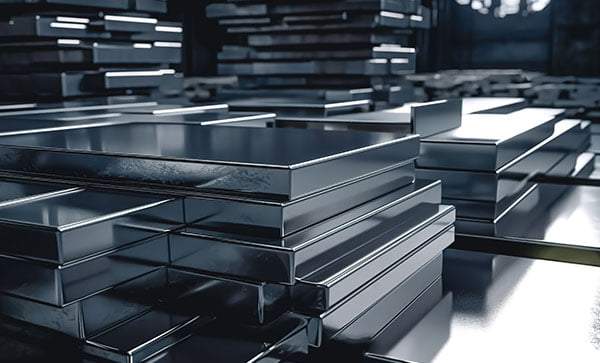
The automotive industry requires components that are not only strong but also lightweight and resistant to extreme conditions. Stainless steel forge meets these demands perfectly, offering high strength while minimizing weight. Common automotive applications include suspension parts, engine components, and shafts.
Forged stainless steel ensures that these components can withstand the constant stress, vibrations, and wear they are subjected to during the lifespan of a vehicle. Moreover, its resistance to corrosion ensures long-lasting performance, even in challenging weather conditions.
Why Stainless Steel Forge is Critical for Aerospace Components
Aerospace components must endure extreme conditions, including high-pressure and high-temperature environments. Components like turbine blades, structural parts, and engine components are subjected to immense stresses, which makes stainless steel forge essential.
The forging process significantly enhances the material’s strength and resilience, ensuring the safety and efficiency of aircraft. Additionally, the reduced risk of porosity and other defects in forged stainless steel makes it a superior choice for aerospace applications.
Enhancing Corrosion Resistance with Stainless Steel Forge
Corrosion resistance is one of the primary advantages of stainless steel, and forging further improves this characteristic. The process compresses the steel, which closes micro-defects and makes it more resistant to rust, oxidation, and other forms of corrosion. This is particularly important in industries like marine, offshore, and chemical processing, where components are constantly exposed to harsh, corrosive environments.
How Stainless Steel Forge Improves Structural Integrity
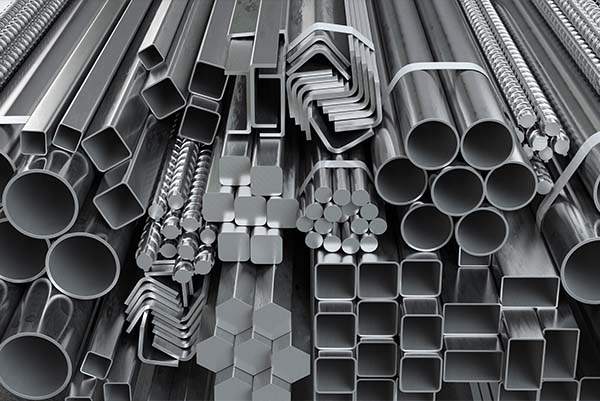
Stainless Steel Forgings
Stainless steel forgings are crafted from iron-based alloys that contain a minimum of 10.5% chromium. These alloys are renowned for their ability to achieve a harmonious equilibrium between strength and corrosion resistance.
When it comes to structural components, integrity is everything. Stainless steel forge enhances the structural strength of components, making them more capable of withstanding high loads and forces without failure. Whether it’s for bridges, buildings, or industrial plants, forged stainless steel parts offer enhanced strength, toughness, and impact resistance.
Forged stainless steel helps ensure that critical infrastructure and machinery remain reliable and durable, even under extreme pressure.
Conclusion
The process of stainless steel forge is a vital step in enhancing the strength, durability, and performance of stainless steel components. From aerospace to automotive to manufacturing, the benefits of forged stainless steel are clear—its superior strength, resistance to corrosion, and enhanced durability make it the material of choice for high-stress applications.
At Qilu, we specialize in providing high-quality forged stainless steel products that meet the strict demands of various industries. If you are looking for components that offer long-lasting performance and reliability, contact us today to discuss how our products can enhance your manufacturing needs.
FAQ
What is the advantage of forging stainless steel over casting?
Forging ensures a uniform grain structure, making the material stronger, tougher, and less prone to defects such as porosity or cracking. This makes forged stainless steel ideal for high-stress applications.
How does stainless steel forging improve corrosion resistance?
The forging process eliminates micro-defects in the material, resulting in a more compact and uniform structure, which enhances its resistance to corrosion and oxidation.
Can stainless steel forge be used in all industries?
Yes, forged stainless steel is used in a wide range of industries, including aerospace, automotive, marine, and manufacturing, due to its superior strength and durability.
Why is stainless steel forge important for the aerospace industry?
Forged stainless steel offers the strength and resilience required for aerospace components that face extreme temperatures and mechanical stresses, ensuring performance and safety.