Shandong Qilu lndustrial Co.,Ltd.

Top Stainless Steel Forging Suppliers for High-Quality Parts
Table of Contents
Introduction
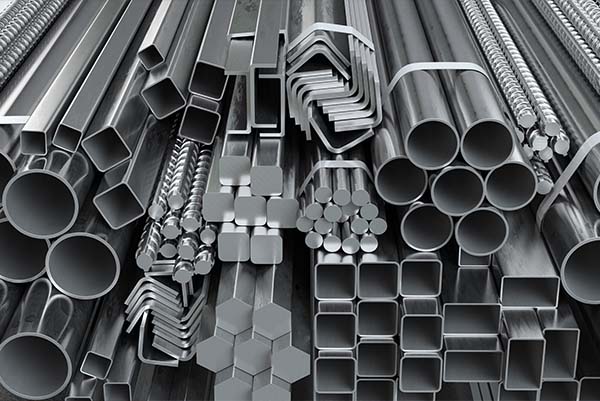
When it comes to manufacturing high-performance components, the material choice is paramount. Stainless steel forgings stand out due to their exceptional durability, strength, and resistance to corrosion. Whether you’re sourcing components for the aerospace, automotive, or industrial sectors, partnering with the right stainless steel forging suppliers ensures the success of your project. At Qilu, we take pride in being a trusted supplier of stainless steel forgings, offering parts such as shafts, rings, and discs. Our state-of-the-art production facilities guarantee that every part meets the highest standards of quality and reliability.
In this article, we’ll discuss the benefits of stainless steel forgings and why choosing the right stainless steel forging suppliers is a game-changer for your projects.
What Makes Stainless Steel Forging a Reliable Choice for High-Quality Parts?
Stainless steel forgings are known for their superior mechanical properties, which include increased strength, toughness, and resistance to fatigue. The forging process enhances the material’s grain structure, aligning it in a way that improves its performance under stress. This makes forged stainless steel components more durable and reliable compared to other manufacturing methods.
Benefits of Choosing Stainless Steel Forging Suppliers:
- Enhanced Strength and Durability: Stainless steel forgings offer higher tensile strength and resistance to corrosion, outperforming cast or machined components in harsh environments.
- Superior Grain Structure: Forging aligns the grain structure, improving the strength and fatigue resistance of stainless steel.
- Corrosion Resistance: Stainless steel naturally resists rust and oxidation, making it ideal for parts exposed to extreme temperatures and moisture.
Why Stainless Steel Forging is Essential for Aerospace Applications
In the aerospace sector, the durability and strength of materials are essential for safety and performance. Stainless steel forgings are commonly used in aerospace applications such as turbine engines, landing gear, and other critical parts. The material’s high resistance to fatigue, corrosion, and heat makes it the ideal choice for components that will be exposed to extreme stress and harsh environmental conditions.
Applications in Aerospace:
- Turbine Blades and Engine Components: Forged stainless steel’s strength allows it to handle the extreme temperatures and pressures inside jet engines.
- Landing Gear and Structural Components: The material’s resistance to corrosion ensures the longevity of vital parts like landing gear, which are subjected to high impact forces.
How Stainless Steel Forging Differs from Casting and Other Manufacturing Methods
The process of forging involves shaping metal through heat and pressure, whereas casting involves pouring molten metal into a mold. Forging results in a material with improved mechanical properties, as the grain structure is aligned during the forging process, which enhances the material’s overall strength and resistance to stress.
| Manufacturing Process | Forging | Casting |
|---|---|---|
| Strength | Superior | Lower |
| Durability | Higher | Generally lower |
| Cost | Higher | Lower |
| Lead Time | Longer | Shorter |
What to Look for When Choosing Stainless Steel Forging Suppliers
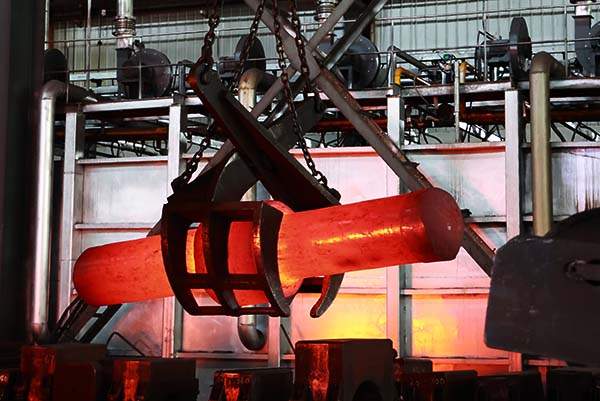
Finding the right stainless steel forging suppliers is vital for ensuring that your parts meet the required specifications and perform as expected in your operations. Here are some factors to keep in mind when evaluating potential suppliers.
1. Experience and Expertise
A supplier with a strong track record in stainless steel forgings is more likely to provide high-quality components that meet your needs. Look for suppliers with experience in your industry to ensure they understand the specific requirements of your applications.
2. Material Quality
The quality of the stainless steel used is paramount. A reliable supplier should offer a variety of stainless steel grades and ensure they meet international standards for strength and durability.
3. Production Capacity and Flexibility
Choose a supplier that can handle your production volume, whether you need a small batch or large-scale manufacturing. They should also be able to accommodate custom designs and unique project specifications.
4. Quality Control Systems
A reputable supplier will have stringent quality control measures in place to ensure that every component meets your exact specifications. Look for certifications such as ISO 9001, which ensures that the supplier maintains high standards of quality.
Stainless Steel Forging for Critical Industrial Applications
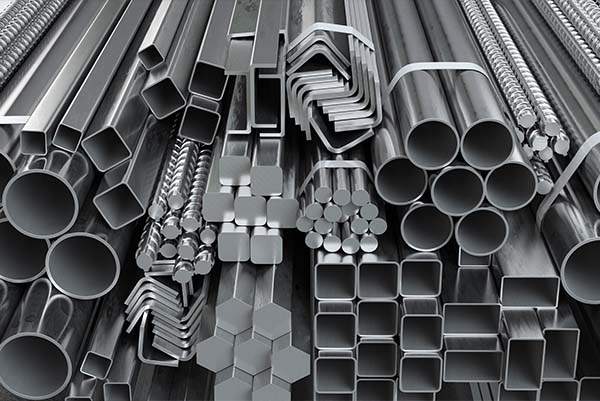
Stainless Steel Forgings
To ensure prompt service to our customers, we maintain a large inventory of stainless steel available for forging. If you need customized forged stainless steel shapes, we are one of the leading open die forging plants in China, continuously producing custom and standard shapes of stainless steel in a variety of sizes and weights depending on the material.
Stainless steel forgings are widely used in critical industries such as automotive, oil and gas, and heavy machinery. Parts such as shafts, gears, and valve components require the strength and durability that forged stainless steel provides. These industries rely on high-performance materials to ensure that parts function flawlessly and last for years without failure.
Common Applications in Industrial Sectors:
- Automotive Industry: Forged stainless steel components are used for drivetrain parts, suspension systems, and brakes.
- Oil and Gas Industry: Forgings are used for valves, pumps, and other equipment that must endure high pressures and corrosive environments.
- Heavy Machinery: High-strength stainless steel forgings are critical for gears, shafts, and other high-load components.
The Future of Stainless Steel Forging in Manufacturing
As industries continue to evolve, stainless steel forgings will remain essential for high-performance components. Advancements in forging technology will continue to improve the strength, precision, and efficiency of forged parts, meeting the growing demand for durable and reliable materials in industries worldwide.
Conclusion
Selecting the right stainless steel forging suppliers is crucial for ensuring that your parts meet the highest standards of quality, strength, and durability. At Qilu, we offer high-quality stainless steel forgings that can withstand the toughest conditions across a wide range of industries. With our advanced equipment, extensive expertise, and commitment to quality, we are ready to meet your unique needs.
If you’re looking for durable, reliable stainless steel forgings for your next project, contact us today to discuss how we can help.
FAQ
What are the advantages of stainless steel forgings?
Stainless steel forgings offer superior strength, durability, and corrosion resistance, making them ideal for high-stress applications like aerospace, automotive, and industrial machinery.
How does the forging process improve stainless steel?
Forging aligns the grain structure of stainless steel, which enhances its strength, toughness, and fatigue resistance, making it more durable than cast stainless steel.
Can stainless steel forgings be customized?
Yes, stainless steel forgings can be tailored to meet specific design and performance requirements, including size, shape, and material grade.
How do stainless steel forging suppliers ensure quality?
Reputable stainless steel forging suppliers implement strict quality control systems, including non-destructive testing (NDT), to ensure that every part meets industry standards for strength and durability.
How do I choose the best stainless steel forging suppliers for my project?
When selecting stainless steel forging suppliers, it’s essential to consider factors such as their experience in your industry, the quality of their materials, and their manufacturing capabilities. Reputable suppliers like Qilu have advanced equipment and stringent quality control to ensure you receive durable and high-performance stainless steel forged components.
What industries benefit the most from working with stainless steel forging suppliers?
Industries such as aerospace, automotive, heavy machinery, and industrial equipment manufacturing benefit greatly from working with stainless steel forging suppliers. These sectors rely on stainless steel forgings for their strength, durability, and resistance to corrosion in demanding environments.