Shandong Qilu lndustrial Co.,Ltd.

Enhance Properties: Steel Forging Temperature Guide
Welcome to My Blog!
Before we dive into the content, I’d love for you to join me on my social media platforms where I share more insights, engage with the community, and post updates. Here’s how you can connect with me:
Facebook:https://www.facebook.com/profile.php?id=100090903441806
Now, let’s get started on our journey together. I hope you find the content here insightful, engaging, and valuable.
Table of Contents
Steel forging is an essential process in manufacturing high-performance metal components, especially for demanding applications requiring strength, durability, and precision. If you’re involved in metalworking or supply chain management, understanding steel forging temperature is crucial to optimizing your production efficiency and product quality. This comprehensive guide walks you through everything you need to know about steel forging temperatures, from basic concepts to advanced tips on cost optimization and performance enhancement.
Introduction

Steel forging temperature refers to the specific range of heat at which steel is heated to become malleable enough for shaping through forging processes. The temperature must be carefully controlled: too low, and the steel becomes brittle and hard to shape; too high, and you risk grain growth and structural weaknesses.
Maintaining the optimal forging temperature is the foundation of precision forging, where the goal is to produce metal parts with minimal defects and superior mechanical properties. Proper temperature management helps reduce material waste, lowers machining costs, and enhances the overall strength and reliability of the forged parts.
In this blog, we’ll explore the key temperature ranges for steel forging, discuss how controlling these temperatures can impact manufacturing costs, and provide actionable tips to improve forging efficiency.
Understanding Steel Forging Temperature Ranges for Different Steel Grades
Different types of steel require different forging temperatures depending on their chemical composition and intended application. The forging temperature affects not only the steel’s workability but also its final microstructure and mechanical properties.
Typically, carbon steels, alloy steels, and stainless steels have distinct temperature ranges to ensure optimal forging conditions:
- Carbon Steel: Usually forged between 1100°C to 1250°C.
- Alloy Steel: Forging temperatures generally fall between 1050°C to 1200°C.
- Stainless Steel: Requires lower forging temperatures, commonly between 950°C to 1150°C.
Forging outside these recommended ranges can lead to defects such as cracking, improper grain structure, and residual stresses.
Precision Forging and Temperature Control
Precision forging demands strict temperature control to achieve tight dimensional tolerances and superior surface finishes. This is especially important in manufacturing components like shafts, rings, and discs that require minimal post-processing.
By maintaining proper steel forging temperature, manufacturers can reduce the material’s flow stress, which lowers forging force requirements and extends the life of forging dies. This results in significant cost savings and improved production rates.
The Impact of Steel Forging Temperature on Cost Optimization and Efficiency
Temperature management in forging not only affects product quality but also has a direct impact on operational costs and throughput.
- Reduced Material Waste: Correct temperature reduces the likelihood of cracks and incomplete fills, minimizing scrap rates.
- Lower Machining Costs: Properly forged parts require less machining and finishing work, saving time and resources.
- Enhanced Die Life: Consistent temperature control reduces wear and tear on forging dies, lowering replacement costs.
- Improved Energy Efficiency: Optimizing heating times and temperatures can cut energy consumption and associated costs.
By fine-tuning the forging temperature, you can achieve faster cycle times and higher production volumes, ultimately boosting profitability.
Steel Forging Temperature Guide: Key Temperature Ranges and Their Effects
To help you better understand how to control your forging process, here’s a detailed table summarizing typical forging temperature ranges for common steel grades and their effects on material properties.
| Steel Grade | Typical Forging Temperature (°C) | Key Effects at Optimal Temperature | Risks of Incorrect Temperature |
|---|---|---|---|
| Carbon Steel | 1100 – 1250 | Good ductility, fine grain structure | Cracking, coarse grains |
| Alloy Steel | 1050 – 1200 | Balanced strength and toughness | Embrittlement, incomplete forging |
| Stainless Steel | 950 – 1150 | Corrosion resistance maintained, smooth surface | Surface oxidation, loss of corrosion resistance |
| Tool Steel | 1000 – 1150 | Maintains hardness post-forging | Overheating leads to grain growth |
| High-Speed Steel | 1050 – 1200 | High wear resistance retained | Warping and cracking |
Using the Table to Optimize Your Forging Process
The key takeaway is that monitoring and adjusting the steel forging temperature for your specific material and forging equipment can significantly enhance product properties and reduce costs.
Best Practices for Controlling Steel Forging Temperature in Precision Forging
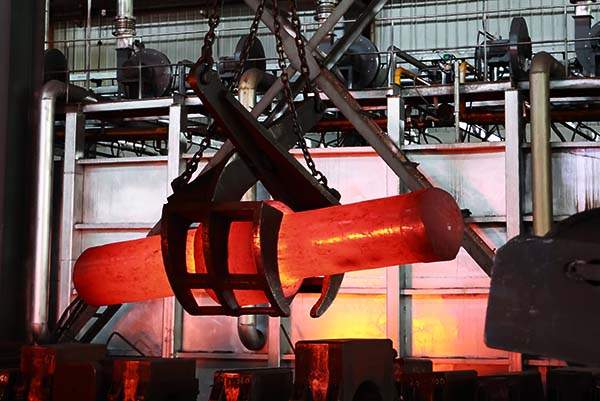
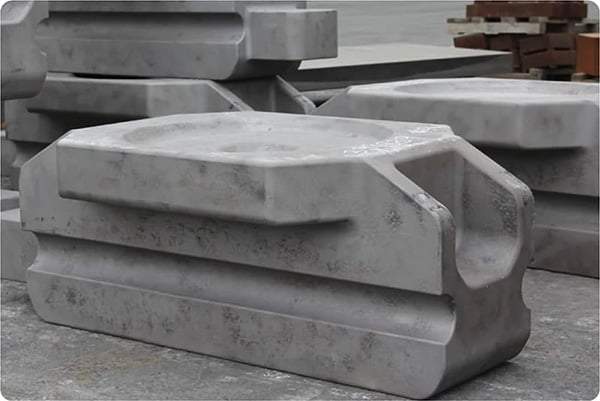
Precision forging requires more than just hitting a temperature target; it demands real-time monitoring and process adjustments. Here are some tips to help you optimize forging temperature control:
- Invest in Advanced Heating Equipment: Modern induction and gas furnaces provide uniform heating and precise temperature control, essential for high-quality forging.
- Regular Temperature Measurement: Use calibrated thermocouples and infrared pyrometers to track temperature in real time.
- Optimize Heating Time: Avoid overheating by limiting the steel’s exposure time to high temperatures, which reduces oxidation and grain growth.
- Implement Cooling Control: Controlled cooling post-forging helps achieve the desired microstructure and mechanical properties.
- Train Your Workforce: Skilled operators can adjust parameters on the fly, improving consistency and reducing waste.
Conclusion
Mastering the art of steel forging temperature is essential for anyone involved in manufacturing forged components. The right temperature leads to improved mechanical properties, reduced scrap rates, lower machining costs, and longer die life — all of which contribute to significant cost savings and enhanced production efficiency.
Whether you’re producing shafts, rings, or discs, precision forging backed by sound temperature management gives you a competitive edge by minimizing material consumption and boosting product performance.
If you want to maximize efficiency while delivering superior forged products, paying close attention to your steel forging temperature is the smartest move you can make.
FAQ
Why is steel forging temperature so critical in manufacturing?
Because it directly influences the steel’s workability, mechanical properties, and the likelihood of defects, controlling forging temperature ensures high-quality parts and reduces material waste.
How does forging temperature affect machining costs?
Proper forging temperature leads to better part shape and surface finish, reducing the amount of machining required to meet specifications, which saves time and cost.
Can improper forging temperature damage forging dies?
Yes. Overheating or inconsistent temperatures can cause excessive die wear or even cracking, increasing maintenance and replacement costs.
What are the typical temperature ranges for stainless steel forging?
Stainless steel is usually forged between 950°C and 1150°C to preserve its corrosion resistance and mechanical properties.
How can I measure forging temperature accurately?
Using thermocouples embedded in the material, infrared pyrometers, or thermal imaging cameras are common methods for precise temperature measurement during forging.