Shandong Qilu lndustrial Co.,Ltd.

How Carbon Steel Flanges Improve System Integrity
Welcome to My Blog!
Before we dive into the content, I’d love for you to join me on my social media platforms where I share more insights, engage with the community, and post updates. Here’s how you can connect with me:
Facebook:https://www.facebook.com/profile.php?id=100090903441806
Now, let’s get started on our journey together. I hope you find the content here insightful, engaging, and valuable.
Table of Contents
When it comes to building reliable piping systems, you want components that stand the test of time. That’s where carbon steel flanges come in. These unsung heroes of industrial systems play a critical role in ensuring your setups are secure, durable, and efficient. Whether you’re working on a complex industrial project or a simpler setup, understanding the value of carbon steel flanges can make all the difference. In this blog, we’ll dive into why these forged components are a game-changer for system integrity, explore their benefits, and answer some common questions you might have. Let’s get started!
Introduction
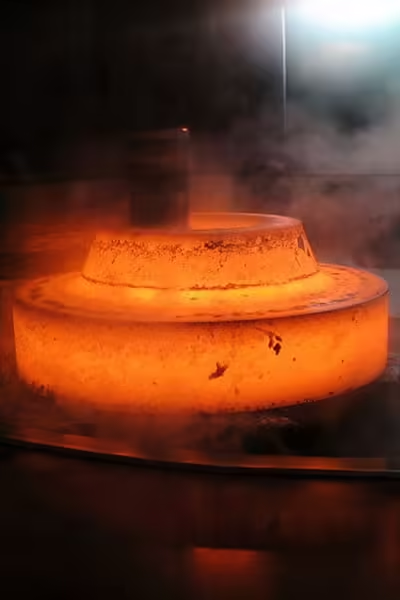
Picture this: you’re managing a piping system that handles high-pressure fluids or gases. One weak link could lead to leaks, downtime, or even catastrophic failure. That’s where carbon steel flanges shine. These robust, forged metal components connect pipes, valves, and other equipment, ensuring a tight, leak-proof seal. But what makes them so special? It’s all about their strength, versatility, and ability to withstand tough conditions.
Carbon steel flanges are crafted through precision forging processes, often using advanced equipment capable of producing everything from small, intricate parts to massive industrial components. Their durability and compatibility with various systems make them a go-to choice for engineers and project managers. In this article, we’ll explore how these flanges enhance system integrity, why they’re a smart investment, and how they can keep your operations running smoothly.
The Role of Carbon Steel Flanges in System Reliability
Strength and Durability of Carbon Steel Flanges
You need components that can handle the heat—literally and figuratively. Carbon steel flanges are forged from high-quality carbon steel, which gives them exceptional strength and durability. Unlike other materials that might corrode or weaken over time, carbon steel flanges are built to resist wear and tear, even in harsh environments. Whether it’s extreme temperatures, high pressures, or corrosive substances, these flanges hold up where others might fail.
Forging processes, like those used to create ring, disc, or shaft forgings, ensure that carbon steel flanges have a uniform grain structure. This makes them less prone to cracks or defects, which is crucial for maintaining system integrity. When you choose carbon steel flanges, you’re investing in components that won’t let you down when the pressure’s on.
Versatility Across Industries
One of the biggest advantages of carbon steel flanges is their versatility. From oil and gas to water treatment, chemical processing to power generation, these flanges are used in countless applications. Their ability to connect pipes of different sizes and types makes them indispensable for creating seamless, reliable systems. Plus, they come in various shapes—like ring flanges or disc flanges—allowing you to pick the perfect fit for your project.
This adaptability means you can rely on carbon steel flanges for both small-scale setups and large industrial systems. Whether you’re building a new system or upgrading an existing one, these flanges provide the flexibility you need without compromising on strength or performance.
Leak-Proof Connections for Enhanced Safety
Nobody wants a system that springs a leak. Carbon steel flanges are designed to create secure, leak-proof connections between pipes and other components. Their precision engineering ensures a tight seal, reducing the risk of fluid or gas escaping. This is especially important in high-stakes industries where even a small leak can lead to safety hazards, environmental damage, or costly downtime.
By using carbon steel flanges, you’re not just improving system integrity—you’re also protecting your workforce and your bottom line. Their ability to maintain a strong seal under pressure makes them a critical component for any system that demands reliability.
How Carbon Steel Flanges Are Made
The secret to the strength of carbon steel flanges lies in the forging process. Forging involves shaping metal under high pressure, often using equipment ranging from 200 to 4,000 tons. This process creates components with superior strength compared to casting or machining. For carbon steel flanges, the result is a product that’s tough, uniform, and free from internal defects.
Forging also allows for a range of flange types, including ring forgings, disc forgings, and shaft forgings. Each type is tailored to specific applications, ensuring you get the exact component you need. Whether you’re looking for a large ring flange for a high-pressure pipeline or a smaller disc flange for a compact system, the forging process delivers precision and reliability every time.
To give you a clearer picture, here’s a table outlining the key types of carbon steel flanges and their common applications:
| Flange Type | Description | Common Applications |
|---|---|---|
| Weld Neck Flange | Features a long tapered hub for strong welding to pipes. | High-pressure pipelines, oil and gas systems. |
| Slip-On Flange | Slides over the pipe and is welded in place for easy installation. | Low-pressure systems, water treatment plants. |
| Blind Flange | Used to seal the end of a pipe or valve, preventing leaks. | Pressure testing, system isolation. |
| Socket Weld Flange | Designed for smaller pipes, welded directly to the pipe for a strong connection. | Chemical processing, small-diameter piping. |
| Ring Flange | Circular flange used in high-pressure systems, often forged for added strength. | Power generation, heavy industrial systems. |
This table highlights the diversity of carbon steel flanges, making it easier for you to choose the right type for your project. No matter the application, these flanges are engineered to deliver top-notch performance.
Why Choose Carbon Steel Flanges for Your Project?
Cost-Effective Long-Term Solution
Let’s talk about value. While carbon steel flanges might not be the cheapest option upfront, their durability and low maintenance make them a cost-effective choice in the long run. Because they resist corrosion and wear, you won’t be replacing them as often as you might with other materials. This means less downtime, fewer repairs, and more savings over time.
Plus, with a robust supply chain and global distribution networks, you can get carbon steel flanges delivered quickly, keeping your project on track. Whether you need one piece or tens of thousands, the availability of these forged components ensures you won’t be left waiting.
Compatibility with High-Pressure Systems
If your system operates under high pressure, carbon steel flanges are a must. Their forged construction allows them to withstand extreme forces without deforming or failing. This makes them ideal for industries where system integrity is non-negotiable, like oil and gas or power generation. When you’re dealing with high-pressure fluids or gases, you can’t afford to cut corners—carbon steel flanges give you the reliability you need.
Environmental Resistance for Tough Conditions
Carbon steel flanges aren’t just strong—they’re also built to handle tough environmental conditions. Whether it’s exposure to moisture, chemicals, or extreme temperatures, these flanges hold up where others might corrode or degrade. This resilience ensures your system stays intact, even in the most demanding settings. For projects in harsh environments, carbon steel flanges are a no-brainer.
Maintaining Carbon Steel Flanges for Optimal Performance
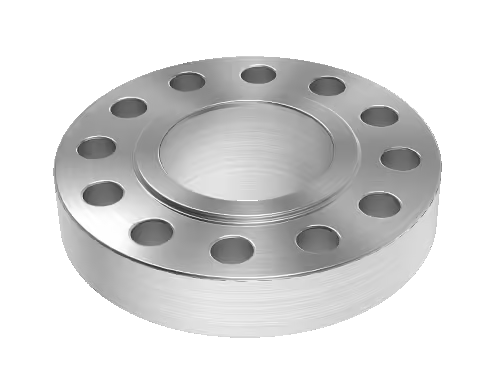
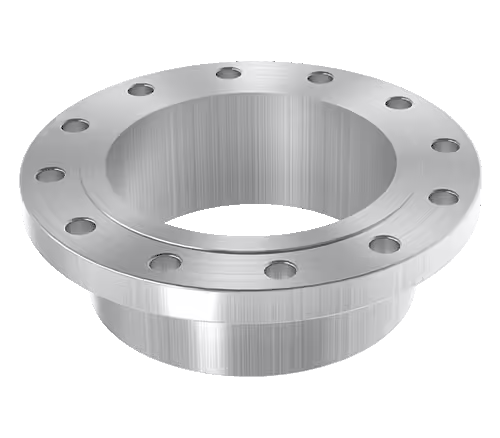
To get the most out of your carbon steel flanges, proper maintenance is key. Regular inspections can help you spot any signs of wear or corrosion early, allowing you to address issues before they become major problems. Cleaning the flanges and ensuring they’re properly sealed during installation can also extend their lifespan.
Another tip? Make sure you’re using the right type of carbon steel flange for your specific application. For example, weld neck flanges are great for high-pressure systems, while slip-on flanges work well for simpler setups. By matching the flange to the job, you’ll maximize performance and system integrity.
It’s also worth noting that carbon steel flanges are often paired with other forged components, like ring forgings or disc forgings, to create a cohesive system. Working with a supplier that offers a wide range of forged products can make it easier to source everything you need in one go, streamlining your project and ensuring compatibility.
Conclusion
When it comes to building systems that last, carbon steel flanges are a cornerstone of reliability. Their strength, versatility, and ability to create leak-proof connections make them an essential component for any project that prioritizes system integrity. From their robust forging process to their compatibility with high-pressure and harsh environments, these flanges deliver performance you can count on.
By choosing carbon steel flanges, you’re not just investing in a component—you’re investing in the long-term success of your system. Whether you’re connecting pipes, sealing valves, or building a complex industrial setup, these flanges have you covered. With fast delivery and a wide range of options, you can get the right flanges for your project without delay. So, next time you’re planning a system, make carbon steel flanges your go-to choice for durability and peace of mind.
FAQ
What are carbon steel flanges used for?
Carbon steel flanges are used to connect pipes, valves, and other equipment in piping systems. They create secure, leak-proof connections, making them ideal for industries like oil and gas, water treatment, and power generation.
How do carbon steel flanges improve system integrity?
They provide strong, durable connections that resist leaks, corrosion, and high pressure. Their forged construction ensures uniformity and strength, reducing the risk of system failures.
What types of carbon steel flanges are available?
Common types include weld neck, slip-on, blind, socket weld, and ring flanges. Each type is designed for specific applications, from high-pressure systems to low-pressure setups.
How do I choose the right carbon steel flange for my project?
Consider your system’s pressure, temperature, and environmental conditions. For high-pressure systems, weld neck or ring flanges are ideal, while slip-on flanges work well for simpler applications.
How can I maintain carbon steel flanges?
Regular inspections, proper cleaning, and ensuring correct installation are key. Matching the flange type to your system’s needs also helps maximize performance and longevity.