Shandong Qilu lndustrial Co.,Ltd.

Roll Forging: Efficient Metal Shaping Solution
Welcome to My Blog!
Before we dive into the content, I’d love for you to join me on my social media platforms where I share more insights, engage with the community, and post updates. Here’s how you can connect with me:
Facebook:https://www.facebook.com/profile.php?id=100090903441806
Now, let’s get started on our journey together. I hope you find the content here insightful, engaging, and valuable.
Table of Contents
Introduction
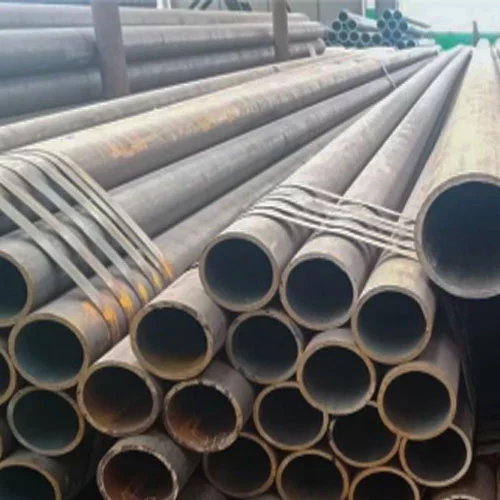
Roll forging is a crucial manufacturing process used to shape metal into precise geometries with the help of rolling mills. It involves the plastic deformation of metal as it passes between two rotating dies, which progressively reduce the metal’s thickness while lengthening its shape. This method is widely used in industries where the production of high-quality, durable metal components is essential, such as automotive, aerospace, and machinery.
In this guide, we’ll explore the key benefits of forging roll, the types of components it produces, and how businesses can maximize the advantages of this highly efficient metal shaping solution.
What is Roll Forging?
Roll forging is a variation of the traditional forging process, where a piece of metal is rolled between two dies that rotate and apply pressure. Unlike other forging processes, forging roll can be used to produce complex shapes, improve material properties, and create long, continuous parts that are stronger and more durable than those made using conventional methods.
This technique not only shapes the metal but also refines its grain structure, which enhances its strength and toughness. As a result, components produced through forging roll are ideal for high-performance applications.
The Benefits of Roll Forging
Roll forging offers numerous advantages over other metal-shaping techniques, including:
- Material Efficiency: Roll forging produces less scrap, reducing material costs and waste. It is an effective method to work with metals like steel, aluminum, and titanium.
- Precision and Consistency: The process produces uniform results, making it ideal for manufacturing high-precision components.
- Increased Strength: By refining the grain structure of the material, forging roll can improve the mechanical properties of the metal, making it more durable and resilient.
- Lower Energy Consumption: Compared to traditional forging methods, forging roll uses less energy to achieve the desired shape.
Shandong Qilu: Your Roll Forging Partner
Shandong Qilu specializes in the production of high-quality forged components, including shaft forgings, ring forgings, and disc forgings. With substantial investments in advanced production equipment and testing facilities, we ensure our products meet the highest standards of quality and reliability. Our forging equipment ranges from 200 tons to 4000 tons, allowing us to produce between 1,000 to 100,000 pieces of metal forgings.
Thanks to our extensive inventory and global delivery services, we can quickly fulfill your orders with a focus on excellence and fast lead times.
Applications of Roll Forging
Roll forging is commonly used to create a wide range of components across various industries, such as:
- Automotive Industry: Drive shafts, axles, and suspension parts, which require high strength and precision.
- Aerospace: Critical components like turbine blades and compressor rotors that need to withstand extreme conditions.
- Heavy Machinery: Parts like gears and shafts, which are subjected to high loads and need superior strength.
- Oil and Gas: Wellhead equipment, valves, and pipeline parts, where durability and resistance to corrosion are essential.
The Roll Forging Process: A Step-by-Step Breakdown
- Material Preparation: The metal is heated to the appropriate forging temperature to make it malleable.
- Roll Forging: The metal is passed between rotating dies, applying pressure to elongate and reduce its thickness.
- Cooling and Inspection: After the shaping process, the components are cooled and inspected for quality and dimensional accuracy.
- Finishing: The components may undergo additional finishing processes, such as machining, surface treatment, or coating, to meet specific requirements.
Table: Common Roll Forging Applications and Materials
| Component Type | Typical Material | Application Examples | Key Benefits |
|---|---|---|---|
| Shafts | Steel, Titanium | Automotive, Heavy Machinery | Strength, Durability |
| Rings | Alloy Steel, Brass | Aerospace, Oil and Gas | Resistance to Fatigue |
| Discs | Carbon Steel | Machinery, Hydraulic Systems | High Precision, Toughness |
| Gears | Stainless Steel | Transmission Systems | High Wear Resistance |
| Axles | Carbon Steel, Aluminum | Automotive, Industrial Equipment | Lightweight, Strong |
Roll Forging vs. Other Forging Methods
Roll forging stands out due to its ability to produce continuous, long parts with consistent dimensions and properties. Here’s how it compares to other forging methods:
- Compared to Open Die Forging: Roll forging is more cost-effective for producing large quantities of parts with consistent quality.
- Compared to Closed Die Forging: Roll forging is often more efficient in producing parts with a uniform grain structure, especially in cases where the length of the part is significant.
Cost Considerations in Roll Forging
While forging roll may require a higher initial investment in specialized equipment, it can be a cost-effective solution in the long run due to:
- Lower Material Waste:Forging roll produces minimal scrap, maximizing material usage.
- High Production Efficiency: The process is faster than traditional methods, leading to shorter lead times and reduced labor costs.
- Durability of Components: Parts made from forging roll are often more durable, leading to lower replacement and maintenance costs over time.
How to Choose the Right Roll Forging Service Provider
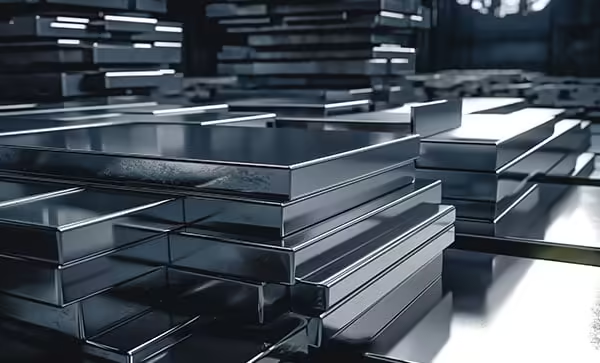
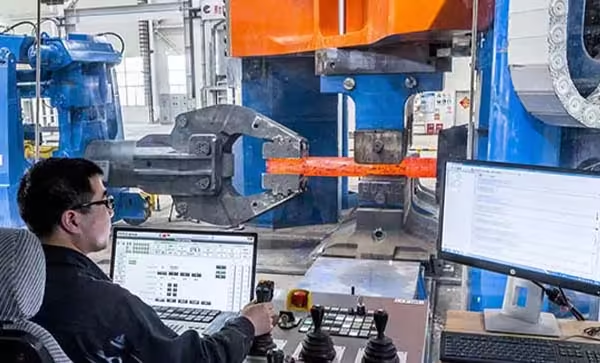
Selecting the right partner for forging roll is crucial for ensuring the quality, precision, and cost-effectiveness of your products. Here are a few factors to consider:
- Experience and Expertise: Look for a supplier with a proven track record in producing the type of components you need.
- Quality Control: Ensure the supplier has a robust quality management system and is capable of providing reliable testing and inspection services.
- Customization: Choose a supplier that offers flexibility in terms of material types, sizes, and production volumes.
- Delivery and Support: Ensure the supplier can deliver on time and provide post-production support as needed.
At Shandong Qilu, we specialize in providing customized forging roll solutions for a wide range of industries. With our advanced equipment, skilled team, and reliable services, we are committed to delivering the best results for our customers.
Conclusion
Roll forging is a highly efficient and cost-effective method for shaping metal components with superior strength and precision. By choosing the right forging roll process, you can improve the quality of your products, reduce waste, and increase production efficiency.
If you are looking for high-quality forged components, contact us today at Shandong Qilu. We are here to help you select the perfect solution for your manufacturing needs and ensure the success of your project.
FAQ
What is roll forging used for?
Roll forging is used to shape metal components that require high strength, durability, and precision. It is commonly applied in industries such as automotive, aerospace, and heavy machinery for parts like shafts, axles, rings, and discs. This process enhances the grain structure of the metal, which improves mechanical performance.
What are the main benefits of forging roll?
The primary forging roll benefits include improved material strength, reduced waste, precise dimensional control, and increased production efficiency. It also allows for the cost-effective manufacturing of long, continuous parts with uniform properties.
How does forging roll differ from other forging processes?
Unlike open die or closed die forging, forging roll involves continuously rolling a heated metal billet between rotating dies. This method is more efficient for producing elongated parts and offers better consistency in dimensions and properties. Roll forging also consumes less energy per part.
What materials are suitable for forging roll?
Roll forging is compatible with a wide range of metals, including carbon steel, alloy steel, stainless steel, aluminum, and titanium. The choice depends on the application’s strength, corrosion resistance, and thermal conductivity requirements.
Is forging roll cost-effective for small production runs?
While forging roll is generally more efficient for medium to large production volumes, it can still be viable for smaller runs depending on the complexity and material cost. Its ability to minimize waste and deliver consistent quality can offset initial setup expenses.