Shandong Qilu lndustrial Co.,Ltd.

How to Choose the Right Cold Steel Drop Forged Knife
Welcome to My Blog!
Before we dive into the content, I’d love for you to join me on my social media platforms where I share more insights, engage with the community, and post updates. Here’s how you can connect with me:
Facebook:https://www.facebook.com/profile.php?id=100090903441806
Now, let’s get started on our journey together. I hope you find the content here insightful, engaging, and valuable.
Table of Contents
Introduction
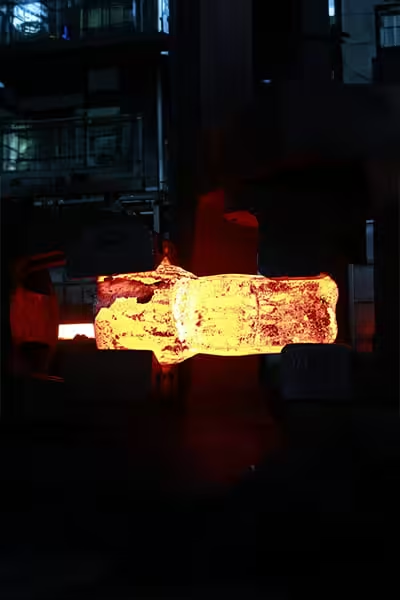
When it comes to durability, strength, and reliability, a Cold Steel Drop Forged knife is one of the best options for both outdoor enthusiasts and professionals. These knives are made from a single piece of steel, ensuring high structural integrity and eliminating weak points. Whether you need a knife for survival, hunting, or tactical purposes, choosing the right model can significantly impact your experience. This guide will help you navigate the key factors to consider when selecting the perfect Cold Steel Drop Forged knife.
What Makes Cold Steel Drop Forged Knives Unique?
Full Tang Design for Maximum Strength
One of the standout features of a Cold Steel Drop Forged knife is its full tang construction. Unlike traditional knives with separate handles, these knives are made from a single piece of high-carbon or stainless steel. This design enhances durability, prevents breakage, and provides superior balance.
Superior Edge Retention and Corrosion Resistance
The heat-treatment process used in drop forging strengthens the steel, improving its edge retention and corrosion resistance. These properties make the knife ideal for prolonged outdoor use, even in harsh weather conditions.
Ergonomic and Practical Handle Design
Since these knives are forged from a single piece of metal, they often feature ergonomic grips with textured or coated handles for enhanced comfort and a firm grip. This ensures optimal control, whether you’re using the knife for cutting, slicing, or chopping.
Factors to Consider When Choosing a Cold Steel Drop Forged Knife
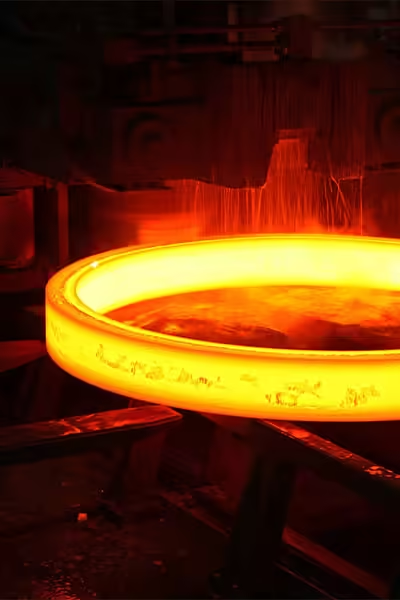
Blade Shape and Purpose
Straight Edge vs. Serrated Edge
- Straight Edge: Ideal for precise cuts, slicing, and general utility tasks.
- Serrated Edge: Best suited for cutting tough materials like rope and fabric.
Blade Point Styles
- Drop Point: A versatile choice for hunting and general use.
- Tanto Point: Known for its robust tip, great for piercing.
- Clip Point: Suitable for detailed cutting and slicing.
Blade Material and Hardness
The material of a Cold Steel Drop Forged knife impacts its longevity and performance. Common materials include:
- High-Carbon Steel: Offers superior sharpness and edge retention but requires regular maintenance to prevent rust.
- Stainless Steel: More resistant to rust and corrosion, though it may require more frequent sharpening.
Size and Weight
Selecting the right size depends on the intended use. Smaller knives (under 6 inches) are great for EDC (Everyday Carry), while larger ones (6-12 inches) excel in survival and heavy-duty applications. Weight also matters—lighter knives are easier to carry, while heavier ones provide more chopping power.
Comparison of Key Features in Cold Steel Drop Forged Knives
| Feature | Benefits | Best Use Case |
|---|---|---|
| Full Tang Construction | Enhances strength and durability | Outdoor, survival, tactical |
| Drop Point Blade | Versatile and easy to control | General utility, hunting |
| Tanto Blade | Extra strength at the tip | Tactical, piercing tasks |
| Textured Handle | Provides a firm grip | Wet or slippery conditions |
| High-Carbon Steel | Excellent edge retention | Heavy-duty cutting, survival |
| Stainless Steel | Corrosion-resistant | Humid environments, EDC |
Maintenance Tips for Long-Lasting Performance
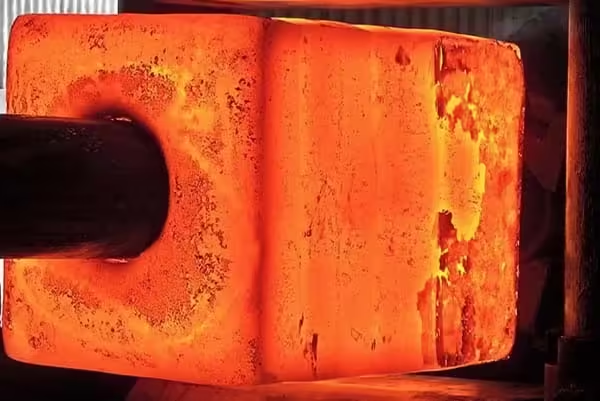
Cleaning and Lubrication
Regular cleaning prevents dirt and rust buildup. Use mild soap and water, then dry the knife thoroughly before applying a light coat of oil to the blade.
Sharpening Techniques
- Use a whetstone for precise sharpening.
- A ceramic rod helps maintain the edge between sharpening sessions.
- Avoid using an electric sharpener, as it may wear down the blade faster.
Proper Storage
Store your Cold Steel Drop Forged knife in a dry place, preferably in a sheath or a dedicated knife case to prevent accidental damage.
Common Applications of Cold Steel Drop Forged Knives
Outdoor and Survival
Whether you’re camping, hiking, or in a survival situation, a Cold Steel Drop Forged knife is an essential tool for cutting wood, preparing food, and even self-defense.
Hunting and Fishing
These knives excel in skinning, gutting, and filleting tasks. Their corrosion-resistant properties make them ideal for wet environments.
Tactical and Self-Defense
Law enforcement and military personnel prefer Cold Steel Drop Forged knives for their robust build, reliability, and ease of handling in high-stress situations.
Conclusion
A Cold Steel Drop Forged knife is an excellent investment for anyone needing a durable, reliable, and high-performance blade. By considering factors such as blade type, material, and intended use, you can find the perfect knife for your needs. Check out the best options available today and upgrade your cutting experience!
Are Cold Steel Drop Forged knives legal to carry?
Knife laws vary by region. Check your local regulations regarding blade length and carrying restrictions before purchasing or carrying one.
How often should I sharpen my knife?
It depends on usage. Regular users should sharpen their knives every few weeks, while occasional users may only need to do so every few months.
Can a Cold Steel Drop Forged knife be used for food preparation?
Yes, but ensure it is cleaned properly before and after use, especially if it has been used in outdoor or survival settings.
Do these knives come with a warranty?
Most Cold Steel Drop Forged knives come with a manufacturer warranty. Check with the retailer for specific details on coverage and limitations.
What is the best way to prevent rust on a Cold Steel Drop Forged knife?
Store it in a dry place, apply oil to the blade regularly, and avoid prolonged exposure to moisture.