Shandong Qilu lndustrial Co.,Ltd.

10 Must-Know Tips for Choosing Forge Tooling
Welcome to My Blog!
Before we dive into the content, I’d love for you to join me on my social media platforms where I share more insights, engage with the community, and post updates. Here’s how you can connect with me:
Facebook:https://www.facebook.com/profile.php?id=100090903441806
Now, let’s get started on our journey together. I hope you find the content here insightful, engaging, and valuable.
Table of Contents
Introduction
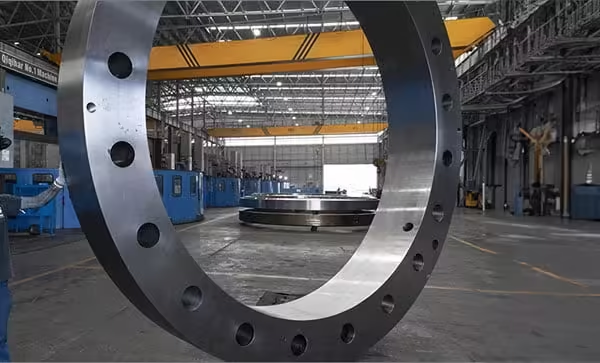
Selecting the right forge tooling is essential for maintaining efficiency, durability, and cost-effectiveness in metalworking processes. The right tools can improve production speed, reduce maintenance costs, and ensure high-quality forged products. This guide provides ten crucial tips for choosing the best forge tooling for your needs.
Understanding It
Forge tooling refers to the specialized equipment used in forging operations to shape and manipulate metal under extreme heat and pressure. These tools must withstand high temperatures, repeated impact, and significant wear. Choosing the right tooling depends on various factors, including material properties, precision requirements, and operational efficiency.
Material Selection for It
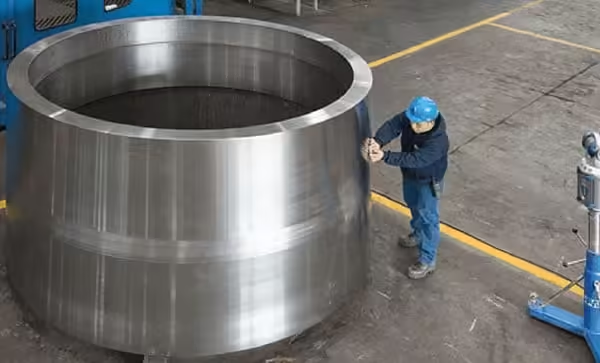
The material used for forge tooling directly impacts its performance and longevity. High-speed steel, tungsten carbide, and tool steel are commonly used due to their resistance to wear and heat. When selecting forge tooling, consider the hardness, toughness, and heat resistance of the material to ensure it matches your forging requirements.
Precision and Tolerance Considerations
High precision is crucial in forging operations to maintain uniformity and reduce defects. Forge tooling must be manufactured with tight tolerances to ensure consistent output. Proper surface finishing also plays a role in minimizing friction and wear, leading to extended tool life and improved product quality.
Heat Treatment and Coatings
Applying heat treatment and special coatings can enhance the performance and durability of it. Processes like nitriding, carburizing, and ceramic coatings improve hardness, corrosion resistance, and wear resistance. Investing in properly treated tooling can significantly extend its service life and improve operational efficiency.
Cost vs. Performance Balance
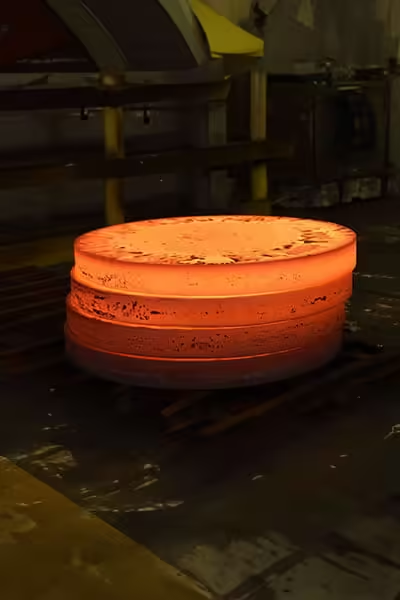
While high-quality it may come with a higher initial cost, it often provides long-term savings by reducing downtime and maintenance expenses. A well-balanced decision should consider the total cost of ownership, including replacement frequency, operational efficiency, and energy consumption.
Common Types of It and Their Applications
| Forge Tooling Type | Applications | Key Benefits |
|---|---|---|
| Die Blocks | Open and closed-die forging | High durability, customizable shapes |
| Punches | Piercing and shaping holes | Precision, long lifespan |
| Mandrels | Tube and pipe forging | Supports complex shapes, reduces deformation |
| Inserts | High-volume production | Cost-effective, easy replacement |
| Hammers | Impact forging | High force application, efficient shaping |
Maintenance for Longer Tool Life
Regular maintenance is key to prolonging the lifespan of forge tooling. This includes routine inspections, proper lubrication, and timely repairs. Storing tools in a controlled environment helps prevent rust and degradation, ensuring they remain in optimal condition for extended use.
Conclusion
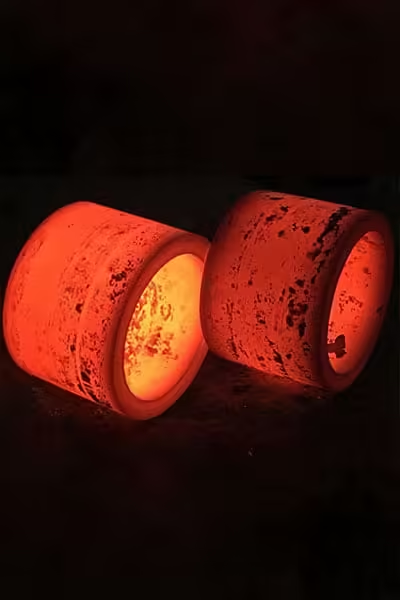
Choosing the right requires careful consideration of material properties, precision, durability, and cost-effectiveness. By following these tips, you can enhance production efficiency and extend the lifespan of your tools. If you’re looking for high-quality forge tooling, explore our expert solutions today!
What is the best material for forge tooling?
High-speed steel and tungsten carbide are among the most durable materials for forge tooling.
How often should forge tooling be inspected?
Regular inspections should be conducted before and after use to detect wear or damage.
Can forge tooling be customized?
Yes, many manufacturers offer customized solutions for specific forging needs.
How can I extend the lifespan of my forge toolinProper heat treatment, lubrication, and controlled storage conditions can significantly extend tool life.g?
Proper heat treatment, lubrication, and controlled storage conditions can significantly extend tool life.