Shandong Qilu lndustrial Co.,Ltd.

Master Forge Crafting Techniques for Beginners
Welcome to My Blog!
Before we dive into the content, I’d love for you to join me on my social media platforms where I share more insights, engage with the community, and post updates. Here’s how you can connect with me:
Facebook:https://www.facebook.com/profile.php?id=100090903441806
Now, let’s get started on our journey together. I hope you find the content here insightful, engaging, and valuable.
Table of Contents
Introduction
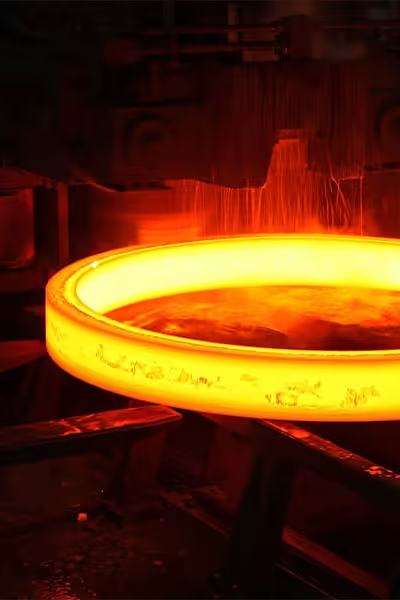
Forge crafting has long been an art form that combines precision, creativity, and patience. It involves manipulating metal at high temperatures to create functional and decorative items. Whether you are interested in crafting weapons, tools, or decorative art, mastering the basics of forge crafting can open up endless possibilities. In this guide, we’ll take a deep dive into the essential forge crafting techniques for beginners, offering insight into the tools, materials, and processes involved. By the end of this post, you will be well-equipped to start your journey into the world of forge crafting.
What is Forge Crafting?
Forge crafting is the process of shaping and creating metal objects using a forge. The forge is a heat source that allows metals to be heated to their melting or working temperature. This process enables the metal to become malleable, allowing artisans to shape it using hammers, anvils, tongs, and other tools. From creating simple household items to intricate artistic pieces, forge crafting is a skill that combines technical expertise with artistic expression.
Types of Materials Used in Forge Crafting
One of the first things any beginner needs to know about forge crafting is the materials involved. Different metals have different properties, and understanding these properties can significantly impact your crafting process. Here are some commonly used metals:
- Steel: Widely used due to its versatility and durability.
- Iron: A traditional material for blacksmiths, ideal for creating functional items.
- Bronze: Often used for artistic or decorative pieces due to its rich color and corrosion resistance.
- Copper: A softer metal commonly used for decorative purposes.
Essential Tools for Forge Crafting
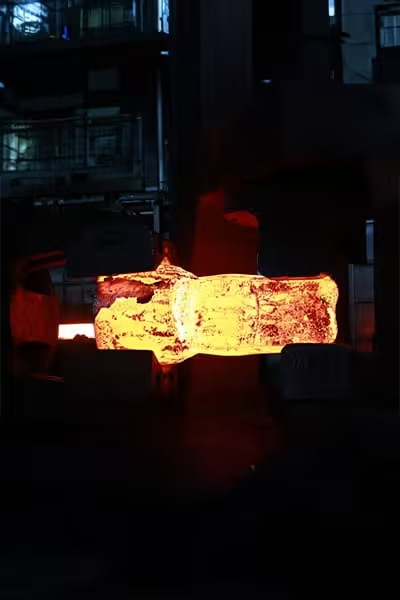
In order to craft successfully, you will need the right tools. Some of the basic tools used in forge crafting include:
The Forge
The forge is the heart of the process. It is where the metal is heated to the necessary temperature. There are different types of forges, such as coal forges and propane forges. Propane forges are popular for beginners due to their ease of use and control.
Anvil
The anvil serves as the surface where the heated metal is shaped. Its sturdy surface provides resistance when you hammer the metal into shape. Anvils come in different sizes and shapes, and selecting the right one for your needs is crucial.
Hammers and Tongs
These are the tools you’ll use to manipulate and shape the heated metal. Hammers come in various weights and sizes depending on the task. Tongs are essential for holding hot pieces of metal safely while working on them.
Basic Forge Crafting Techniques Every Beginner Should Learn
As a beginner, mastering some basic forge crafting techniques will help you lay the groundwork for more advanced projects. Below are some of the foundational techniques you should focus on:
Drawing Out
This technique involves lengthening and narrowing the metal. By repeatedly heating and hammering, you can draw out a piece of metal into a longer shape, such as a rod or bar.
Upsetting
Upsetting is the process of increasing the cross-sectional size of the metal by hammering it on its end. This technique is useful when you need to create thicker portions of a piece, such as the head of a nail or the blade of a knife.
Bending
Bending is a fundamental technique where you shape the metal into curves or angles. This can be done by heating the metal and using the anvil or other tools to bend it to the desired shape.
Welding
Welding in forge crafting involves heating two pieces of metal to their melting point and then joining them together. This process requires careful temperature control and technique to create a strong, permanent bond.
Understanding Forge Crafting Processes
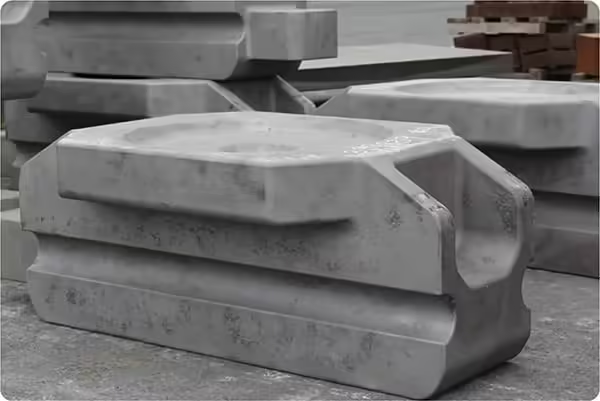
Forge crafting is more than just heating and hammering metal—it involves careful control over the processes to ensure the desired results. Here are some key processes involved in crafting with a forge:
Heating the Metal
The metal must be heated to a specific temperature in the forge in order to be shaped. Each metal type has a different working temperature, so it’s essential to know how to control the heat to prevent overheating or underheating the metal.
Hammering and Shaping
Once the metal reaches the right temperature, it can be hammered into shape. The hammering process requires precision and control, as the metal can quickly cool down and become too hard to shape.
Cooling and Quenching
After shaping the metal, it needs to cool down. The cooling process is critical, especially when working with high-carbon steel or other metals that require specific cooling techniques to ensure strength and durability.
How to Build Your First Forge Crafting Project
Building your first project is a thrilling part of the forge crafting process. As a beginner, you may want to start with something simple, such as a hook, nail, or small knife. Here is a basic outline of how to start your first forge crafting project:
- Select Your Material: Choose a metal that is easy to work with for beginners, such as mild steel.
- Heat the Metal: Place your material in the forge and heat it to the appropriate temperature.
- Shape the Metal: Using your hammer and anvil, shape the metal into the desired shape.
- Cool and Finish: Allow the piece to cool and add finishing touches, such as polishing or sharpening.
Basic Forging Techniques Table
| Technique | Description | Tools Required | Applications |
|---|---|---|---|
| Drawing Out | Lengthening and narrowing the metal. | Hammer, Anvil | Making rods, bars, or spikes |
| Upsetting | Increasing the cross-sectional size of the metal. | Hammer, Anvil | Creating thick portions like nail heads |
| Bending | Shaping the metal into curves or angles. | Hammer, Tongs, Anvil | Bending for hooks, handles, etc. |
| Welding | Joining two pieces of metal by heating them. | Forge, Hammer, Tongs | Joining metal pieces together |
Safety Tips for Beginners
While forge crafting can be a rewarding experience, safety is of utmost importance. Here are a few tips to ensure you stay safe in the workshop:
- Wear Protective Gear: Always wear gloves, eye protection, and a sturdy apron to protect yourself from sparks and hot metal.
- Work in a Well-Ventilated Area: Forges generate fumes, so it’s important to work in a well-ventilated space to avoid inhaling harmful gases.
- Keep Tools Organized: A cluttered workspace can lead to accidents. Keep your tools organized and within reach.
Conclusion
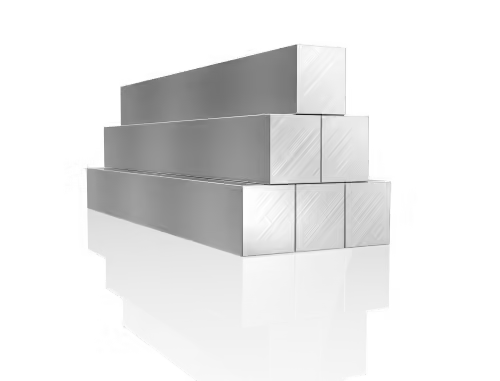
Forge crafting is a fascinating and rewarding skill that allows you to create beautiful, functional pieces from metal. By understanding the basics of forge crafting techniques, tools, and processes, you’ll be well on your way to creating your own masterpieces. Whether you are just starting out or have already begun experimenting, the key is to practice and perfect your craft. Ready to start your forge crafting journey? Visit our store for high-quality tools and materials to help you get started!
FAQ
What is the best metal for beginners in forge crafting?
For beginners, mild steel is a great choice as it’s easier to work with and doesn’t require as much precision as other metals like high-carbon steel or iron.
How long should I heat my metal in the forge?
The heating time depends on the size and thickness of the metal. Generally, you want to heat it until it reaches a bright red color, indicating it’s malleable and ready to work with.
Can I forge craft without an anvil?
While an anvil is highly recommended, it’s possible to forge craft using alternative surfaces like a steel plate or even a large, flat stone. However, the anvil provides the best surface for shaping metal.
How do I prevent my metal from cooling too quickly?
To prevent rapid cooling, ensure that the metal is heated adequately before working with it. You can also use heat-retaining tools like a fire brick to help maintain the heat for longer periods.
What should I do if I make a mistake while forging?
If you make a mistake, don’t panic. Many small errors can be fixed by reheating the metal and trying again. If a mistake cannot be fixed, it’s a great opportunity to learn and improve for your next project!