Shandong Qilu lndustrial Co.,Ltd.

Unlock Strength: 5 Reasons to Choose Marine Shaft Forging
Welcome to My Blog!
Before we dive into the content, I’d love for you to join me on my social media platforms where I share more insights, engage with the community, and post updates. Here’s how you can connect with me:
Facebook:https://www.facebook.com/profile.php?id=100090903441806
Now, let’s get started on our journey together. I hope you find the content here insightful, engaging, and valuable.
Table of Contents
Introduction
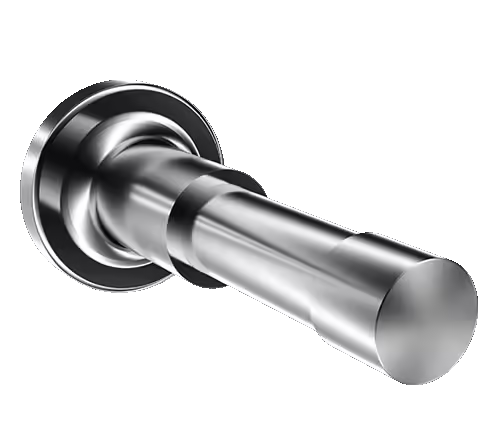
Marine shaft forging is a critical process in the production of high-performance components for the maritime industry. It involves shaping metal by applying pressure to create strong and durable parts, particularly for marine applications. Choosing marine shaft forging for your projects can significantly enhance the reliability and performance of your vessels. In this blog, we will explore five compelling reasons to opt for marine shaft forging, highlighting its benefits, applications, and importance in the maritime sector.
What is Marine Shaft Forging?
Marine shaft forging refers to the manufacturing process of creating shafts specifically designed for marine environments through forging techniques. This process involves heating metal to a plastic state and then shaping it into the desired form using dies. The resulting product offers enhanced strength and resistance to wear, making it ideal for various marine applications.
NO 1. Superior Strength and Durability
One of the most significant advantages of marine shaft forging is its unparalleled strength and durability. The forging process involves shaping metal using compressive forces, which results in a refined grain structure that enhances the mechanical properties of the material. This alignment of the grain structure translates to several key benefits for marine applications:
- Higher Tensile Strength: Forged marine shafts can withstand greater loads and pressures compared to their cast or machined counterparts. This characteristic is crucial for components subjected to dynamic forces during operation, ensuring that they maintain their integrity under challenging conditions.
- Improved Resistance to Fatigue: In marine environments, components experience cyclical loading and unloading, which can lead to fatigue failure over time. The forging process produces a more homogenous material, reducing the likelihood of weak points and increasing the overall fatigue resistance of the shafts. This improvement means longer operational life and reduced risk of unexpected failures.
- Enhanced Impact Toughness: Marine shafts often encounter sudden impacts or shock loads, especially in turbulent waters. Forged components exhibit superior impact toughness, allowing them to absorb and dissipate energy without fracturing. This toughness is essential for ensuring the safety and reliability of marine vessels, particularly in high-stress situations.
The combination of these factors makes marine shaft forging an ideal choice for critical applications such as propeller shafts, rudder shafts, and other essential components within marine vessels. The result is a robust, reliable product capable of performing effectively in the most demanding marine environments.ls.
NO 2. Enhanced Corrosion Resistance
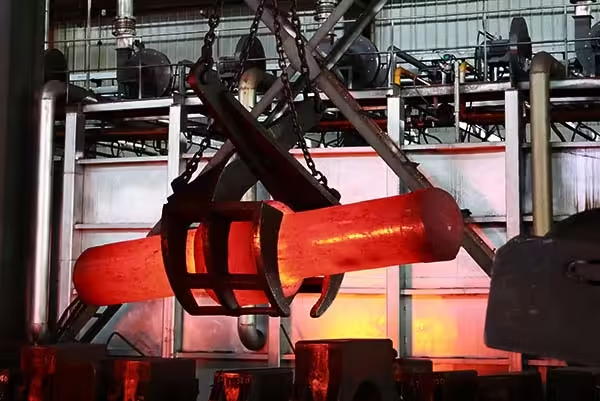
Marine environments present unique challenges due to their exposure to harsh conditions, including saltwater, humidity, and various corrosive agents. This makes the corrosion resistance of components a top priority for marine applications. Marine shaft forging leverages high-quality materials and advanced treatment processes to enhance corrosion resistance significantly. This characteristic offers several vital benefits:
- Extending the Lifespan of Marine Components: By choosing marine shaft forging, manufacturers can produce components that resist corrosion, thereby prolonging their operational life. This durability is especially important in marine settings, where replacing parts can be costly and logistically challenging.
- Reducing Maintenance Costs: Corrosion-related damage often necessitates frequent repairs or replacements, leading to increased maintenance costs. Forged marine shafts require less maintenance due to their superior resistance to rust and degradation. This cost-effectiveness translates into significant savings for operators over the lifespan of the vessel.
- Ensuring Reliability in Operations: The reliability of marine equipment is paramount. Corrosion can compromise the structural integrity of components, leading to failures that can disrupt operations. By utilizing marine shaft forging, manufacturers can provide components that maintain their performance and reliability even in corrosive environments, ensuring that vessels operate smoothly and efficiently.
In summary, the enhanced corrosion resistance achieved through marine shaft forging is crucial for protecting against rust and degradation. This ensures that components not only perform optimally over time but also contribute to the overall reliability and longevity of marine vessels, making them a smart investment for any marine operation.
NO 3. Customization Options
Another significant advantage of marine shaft forging is the ability to customize components to suit specific requirements and applications. Unlike mass-produced parts, forged marine shafts can be tailored to meet the unique demands of various marine environments and operational needs. This customization provides several important benefits:
- Optimized Performance for Specific Vessels: Each marine vessel has distinct characteristics and performance requirements. Custom forging allows manufacturers to create shafts that are perfectly suited to the specific operational parameters of a vessel, ensuring optimal performance. Whether it’s a high-speed boat or a heavy-duty cargo ship, tailored components can enhance overall functionality and efficiency.
- Enhanced Compatibility with Existing Systems: Marine engineers often face challenges in integrating new components with existing systems. Customized forged shafts can be designed to fit seamlessly within the current infrastructure, minimizing the need for additional modifications or retrofitting. This compatibility helps streamline installations and reduces downtime during upgrades or repairs.
- Improved Efficiency in Operations: Customization can also lead to improvements in operational efficiency. By creating shafts that are specifically designed for their intended purpose, manufacturers can enhance the overall performance of marine vessels. This tailored approach can lead to smoother operations, reduced wear and tear on associated systems, and ultimately, a more effective marine engineering solution.
The flexibility in design offered by marine shaft forging is crucial for shipbuilders and marine engineers looking to innovate and adapt to ever-changing demands. In a competitive industry where performance and reliability are paramount, the ability to customize components can provide a significant advantage.
NO 4. Cost-Effectiveness
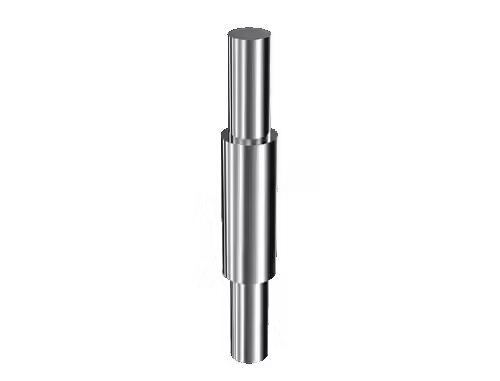
While the initial investment in marine shaft forging may be higher than other manufacturing methods, the long-term benefits can lead to substantial cost savings. The durability and reliability of forged components significantly reduce the need for frequent replacements and repairs, which is a common issue with inferior products. Additionally, the efficiency gained through optimized designs can help lower overall operational costs. Key cost benefits include:
- Reduced Maintenance Expenses: Forged marine shafts are designed to withstand harsh marine environments and high levels of stress, resulting in fewer failures and breakdowns. This reliability translates into lower maintenance expenses over time, as operators spend less on repairs and replacements, allowing for a more predictable budget.
- Longer Service Life: The superior strength and durability of forged shafts ensure they last longer than their counterparts produced through other methods. A longer service life means fewer components need to be purchased and installed, resulting in cost savings in both the short and long term.
- Enhanced Fuel Efficiency Due to Lightweight Designs: Custom forging can also lead to lighter components without compromising strength, which can improve fuel efficiency for vessels. Reduced weight can lead to lower fuel consumption, which not only saves money but also contributes to a more environmentally friendly operation.
By choosing marine shaft forging, companies can achieve a balance of performance, reliability, and cost-effectiveness. Investing in high-quality, forged components ultimately results in significant savings and improved operational efficiency, making it a wise choice for marine applications.hieve a better return on investment over the lifespan of their marine equipment.
NO 5. Table of Comparison: Marine Shaft Forging vs. Other Methods
| Feature | Marine Shaft Forging | Casting | Machining |
|---|---|---|---|
| Strength | High | Moderate | Low to Moderate |
| Corrosion Resistance | High | Variable | Moderate |
| Customization | High | Limited | Moderate |
| Cost Over Time | Cost-effective | Higher due to repairs | Variable |
| Production Time | Moderate | Longer | Short |
The above table highlights the comparative advantages of marine shaft forging over other manufacturing methods, illustrating its suitability for high-performance marine applications.
Conclusion
Choosing marine shaft forging for your marine projects unlocks numerous advantages that can significantly impact the performance and reliability of your vessels. With superior strength, enhanced corrosion resistance, customization options, and long-term cost-effectiveness, marine shaft forging stands out as a preferred choice in the maritime industry. By understanding these benefits, you can make informed decisions that will enhance your operations and ensure the success of your projects.
FAQ
Q1: What types of marine applications use forged shafts?
A: Forged shafts are commonly used in propellers, rudders, and other critical components that require high strength and durability in marine environments.
Q2: How does the forging process enhance the strength of marine shafts?
A: The forging process aligns the grain structure of the metal, resulting in improved tensile strength and resistance to fatigue.
Q3: Can marine shaft forging be customized for specific needs?
A: Yes, manufacturers can tailor forged components to meet specific requirements, optimizing performance for different marine applications.
Q4: What materials are commonly used in marine shaft forging?
A: High-quality alloys, stainless steels, and other materials known for their strength and corrosion resistance are typically used in marine shaft forging.
Q5: Is marine shaft forging cost-effective in the long run?
A: While the initial investment may be higher, the durability and reliability of forged components can lead to significant cost savings over time due to reduced maintenance and replacement needs.