Shandong Qilu lndustrial Co.,Ltd.

5 Benefits of Choosing Steel Flanges for Your Infrastructure
Welcome to My Blog!
Before we dive into the content, I’d love for you to join me on my social media platforms where I share more insights, engage with the community, and post updates. Here’s how you can connect with me:
Facebook:https://www.facebook.com/profile.php?id=100090903441806
Now, let’s get started on our journey together. I hope you find the content here insightful, engaging, and valuable.
Table of Contents
Introduction
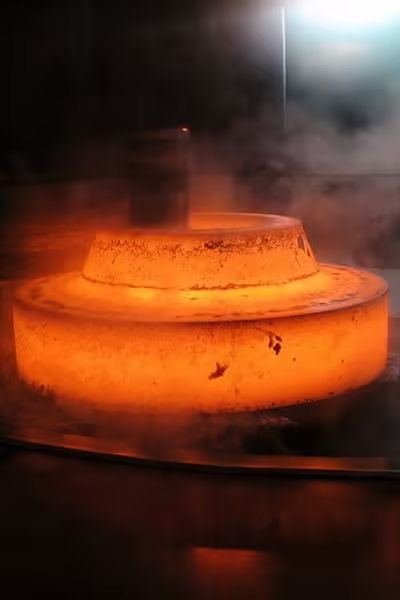
In infrastructure projects, particularly those involving complex piping systems, structural integrity and reliability are paramount. Every component in these systems must work seamlessly to ensure smooth operations, minimize downtime, and prevent costly repairs. Whether you’re involved in construction, water treatment, oil and gas, chemical processing, or any other heavy industry, the reliability of the systems you build depends heavily on the materials you choose.
One critical element that significantly impacts the strength, safety, and longevity of these systems is the steel flange. Steel flanges are mechanical components used to connect pipes, valves, pumps, and other equipment to form a robust, leak-proof system. They are typically made from high-strength steel alloys and are essential for ensuring tight, secure connections, especially in environments where pressure, temperature, or external forces can place tremendous strain on the system.
These flanges are used across various sectors, from the oil and gas industry, where pipelines carry volatile substances, to municipal water treatment plants that require non-corrosive, long-lasting materials. Steel flanges come in various sizes, grades, and designs, each suited to different applications, but all share one thing in common: they provide a critical role in maintaining the structural integrity of the entire system.
The importance of using the right material for your flanges cannot be overstated. A subpar flange can result in leaks, system failure, or safety hazards, leading to costly downtime, repairs, or even catastrophic accidents. In this blog, we will explore the top five benefits of choosing steel flanges for your infrastructure needs and how their selection contributes to the overall success of your project. Whether you’re overseeing an industrial facility, a construction project, or working in specialized sectors like oil and gas, understanding the advantages of steel flanges is crucial for ensuring that your infrastructure remains safe, efficient, and durable.
NO 1. Superior Durability and Strength
One of the primary reasons steel flanges are the go-to choice for infrastructure projects is their superior durability and strength. Steel is renowned for its ability to withstand significant stress and pressure, making it ideal for projects requiring secure and stable connections. Steel flanges are particularly suited to environments where other materials might fail due to high stress, pressure, or environmental factors.
Why It Matters:
The durability of steel flanges ensures that your piping systems can handle everything from high-pressure gas systems to large-scale plumbing without compromising structural integrity. They are designed to endure extreme temperatures, corrosive environments, and even seismic activity, ensuring long-term functionality in even the most demanding conditions.
Steel’s inherent strength provides a stable, leak-proof connection, ensuring that the system operates at its peak without worrying about connection failures or costly repairs. This makes steel flanges a sound investment for both short-term and long-term infrastructure needs.
NO 2. Cost-Effectiveness Over Time
While steel flanges may seem like an expensive initial investment, their long-term cost-effectiveness makes them a great choice for infrastructure projects. Unlike flanges made from other materials, which may require frequent replacements or repairs due to wear and tear, steel flanges offer impressive longevity.
Why It Matters:
Over time, the cost of maintenance and repairs can significantly outweigh the initial costs of steel flanges. Steel is a highly durable material, resistant to corrosion and general degradation, meaning that once installed, steel flanges can function for decades without the need for replacement. This means lower long-term operational costs for your infrastructure systems, making them highly cost-effective in the grand scheme of your project.
Additionally, steel flanges help minimize downtime. With fewer repairs and replacements required, your project can stay on schedule, avoiding costly delays and ensuring that systems are operational without unnecessary interruptions.
NO 3. Versatility for Various Applications
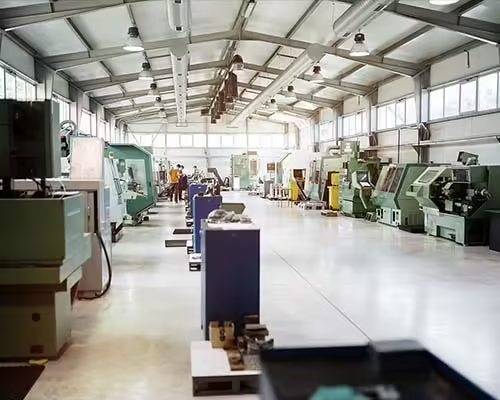
Steel flanges are incredibly versatile and can be utilized in a wide range of applications across industries. From simple plumbing systems to complex industrial pipelines, steel flanges serve as reliable connectors that ensure a secure, leak-free join. Their versatility means they can be used in various sectors, including:
- Construction: Steel flanges are used to connect structural components, water systems, HVAC systems, and fire protection systems.
- Oil and Gas: Steel flanges are critical in oil and gas pipelines, where the integrity of the connection is essential to prevent leaks in high-pressure, volatile systems.
- Water Treatment: In water treatment facilities, steel flanges are used to connect pipes that transport both clean and wastewater, ensuring that all connections are secure and leak-free.
- Chemical Processing: In chemical plants, where various chemicals are transported under high pressure, steel flanges are used to maintain system integrity.
Why It Matters:
The adaptability of steel flanges ensures that they can be used across a wide variety of infrastructure projects. Instead of having to source different materials for different applications, steel flanges provide a uniform, reliable solution for nearly all connection needs. Their ability to withstand extreme pressure, high temperatures, and corrosive environments makes them a go-to solution for a multitude of applications.
NO 4. Enhanced Safety and Reliability
Safety is always a top priority in any infrastructure project. The use of robust, well-engineered components like steel flanges significantly enhances safety by providing secure connections that reduce the risks of leaks, pressure loss, or catastrophic failure. In systems handling gas, water, or chemicals, a reliable and durable connection is essential to ensure the overall integrity of the system.
Why It Matters:
Flanges made from high-quality steel materials play a crucial role in preventing leaks, which can otherwise pose significant risks to workers and the surrounding environment. Whether in high-pressure gas pipelines or water distribution systems, these components are specifically designed to withstand both external and internal forces, ensuring they remain intact and functional under a variety of conditions.
The reliability of these connections contributes to a safer working environment, especially in industries where even small failures can lead to disastrous consequences. The design of steel flanges helps to maintain a leak-proof seal that ensures the system’s integrity, even under challenging conditions. This not only prevents accidents but also minimizes the risk of costly downtime due to equipment failures.
In addition to worker safety, using high-strength flanges helps to reduce the environmental impact of infrastructure systems. Leaks in gas, oil, or water pipelines can have a far-reaching effect, leading to contamination and harm to the surrounding ecosystems. By using flanges that guarantee tight, secure connections, you minimize the risk of environmental damage, which is crucial in industries where maintaining safety standards is non-negotiable.
In conclusion, the durability and dependability of steel-based connection components play an essential role in maintaining the safety and functionality of complex infrastructure systems. Their ability to prevent leaks, withstand pressure, and ensure longevity makes them an indispensable choice in any high-risk environment.
NO 5. Corrosion Resistance for Longevity in Harsh Environments
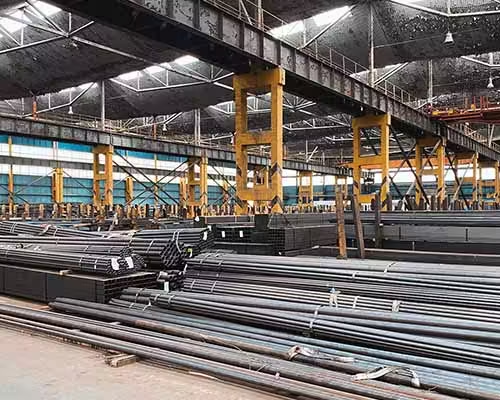
In many industries, including marine construction, chemical processing, and wastewater treatment, infrastructure systems are often exposed to harsh, corrosive conditions. Corrosion is one of the most significant threats to the longevity and efficiency of these systems. Steel components, especially those made from corrosion-resistant alloys like stainless steel, play a vital role in preventing this degradation, ensuring the durability and reliability of the system. Flanges crafted from these durable alloys are specifically designed to withstand harsh environmental factors, including exposure to moisture, chemicals, and extreme temperatures.
Why It Matters:
The ability of these steel components to resist corrosion is crucial for maintaining the overall integrity of your infrastructure. Corrosion can weaken materials, leading to leaks, system failure, and even safety hazards. By using flanges with superior resistance to rust and degradation, you ensure that your system will continue to perform at its best, even in challenging environments.
In industries where the equipment is subjected to constant exposure to water, chemicals, or salty air, the need for materials that can withstand such elements becomes even more apparent. Steel flanges, particularly those made from high-quality alloys, offer unmatched protection against rust and chemical corrosion, which can otherwise cause rapid deterioration. These corrosion-resistant qualities make them an excellent choice for projects in coastal areas or chemical plants, where other materials might quickly degrade and necessitate costly replacements.
Not only do these resilient components extend the lifespan of your infrastructure, but they also reduce the need for maintenance and repairs. Frequent replacements of flanges due to corrosion can be costly and time-consuming, adding unnecessary expenses to your project. By opting for corrosion-resistant flanges, you can significantly lower the frequency of these interventions, ensuring that your systems remain functional and reliable for years to come.
Ultimately, selecting flanges that resist corrosion contributes to the long-term success of your project, particularly in environments where other materials may fall short. This longevity ensures that your infrastructure remains operational, minimizing downtime and the need for frequent overhauls. Whether you’re constructing pipelines, connecting equipment, or installing new systems, using corrosion-resistant materials for your flanges is a smart investment for any project aiming for durability and longevity.
Key Benefits in Infrastructure Projects
Here’s a table summarizing the key benefits of steel flanges:
| Benefit | Description |
|---|---|
| Durability and Strength | Steel flanges offer robust construction for harsh conditions. |
| Cost-Effectiveness | Long-lasting flanges reduce the need for frequent replacements. |
| Versatility | Can be used across various industries and applications. |
| Enhanced Safety and Reliability | Provides secure connections that reduce leak risks. |
| Corrosion Resistance | Steel flanges are resistant to corrosion in harsh environments. |
Conclusion
Steel flanges are an indispensable component in any infrastructure project, providing a combination of strength, durability, cost-effectiveness, and versatility. By offering secure, long-lasting connections, steel flanges help maintain the integrity of critical systems, minimize the risk of failure, and ensure safety in even the most demanding environments. Whether you’re working in construction, oil and gas, water treatment, or any other sector, steel flanges provide the reliability and performance you need to ensure your project’s success.
FAQ
Are steel flanges more expensive than other materials?
Steel flanges may require a higher initial investment, but their long lifespan and low maintenance costs make them more cost-effective in the long term.
Can steel flanges withstand high-pressure systems?
Yes, steel flanges are specifically designed to handle high-pressure systems without compromising the integrity of the connection.
Are steel flanges suitable for use in corrosive environments?
Yes, steel flanges, particularly those made from stainless steel, are resistant to corrosion and are ideal for use in harsh, corrosive environments.
How do steel flanges ensure safety?
Steel flanges provide tight, secure connections that prevent leaks and maintain the integrity of piping systems, reducing the risk of failures and accidents.
How long do steel flanges last?
With proper installation and maintenance, steel flanges can last for decades, making them an excellent long-term investment for infrastructure projects.