Shandong Qilu lndustrial Co.,Ltd.

Steel Forges: Types and Their Uses
Welcome to My Blog!
Before we dive into the content, I’d love for you to join me on my social media platforms where I share more insights, engage with the community, and post updates. Here’s how you can connect with me:
Facebook:https://www.facebook.com/profile.php?id=100090903441806
Now, let’s get started on our journey together. I hope you find the content here insightful, engaging, and valuable.
Table of Contents
Introduction

For centuries, the forge has been the heart of metalworking, transforming raw metal into tools, weapons, and works of art. Among the various types of forges, steel forges stand out for their ability to achieve the high temperatures required for working with steel. This comprehensive guide explores the world of steel forges, delving into their types, uses, benefits, and crucial considerations for anyone involved in metalworking. From the traditional coal forge to modern gas and induction forges, we will examine how these powerful tools shape the metalworking landscape. The steel forge is a fundamental tool for any blacksmith or metalworker working with steel.
Understanding the Basics of Steel Forges
A steel forge is a furnace used to heat metal to temperatures high enough for forging, bending, and other metalworking processes. The key to a steel forge‘s effectiveness is its ability to reach and maintain temperatures suitable for working with steel, typically around 2200-2400°F (1200-1300°C). This requires a robust design and an efficient heat source.
- Heat Source: The heat source can vary depending on the type of steel forge, including coal, propane gas, natural gas, or electricity (induction).
- Forge Body: The forge body contains the fire or heating element and is typically constructed from refractory materials that can withstand high temperatures.
- Air Supply (For Fuel-Burning Forges): An air supply, often provided by a bellows or blower, is essential for maintaining combustion in coal and gas forges.
Understanding these basic components is essential for appreciating how different steel forges operate.
Types of Steel Forges: A Detailed Overview
Various types of steel forges cater to different needs and applicatins:
- Coal Forges: These traditional steel forges use coal as fuel and rely on a bellows or blower to supply air for combustion. They offer a hands-on experience and are well-suited for smaller workshops.
- Gas Forges: These modern steel forges use propane or natural gas as fuel, offering cleaner and more controlled heating than coal forges. They are popular among both hobbyists and professionals.
- Induction Forges: These high-tech steel forges use electromagnetic induction to heat the metal directly, providing precise temperature control and rapid heating. They are often used in industrial settings.
Each type of steel forge has its own advantages and disadvantages.
Coal Forges: The Traditional Steel Forge


The coal forge is a classic steel forge, steeped in history and tradition. It uses coal, typically blacksmith’s coal or coke, as fuel. Air is supplied through a tuyere, a pipe that directs air into the firepot.
- Advantages: Relatively low initial cost, readily available fuel (in some areas), and a traditional metalworking experience.
- Disadvantages: Requires more skill to operate, produces smoke and ash, and temperature control can be challenging.
While less common in modern industrial settings, the coal steel forge remains a valuable tool for traditional blacksmithing.
Gas Forges: The Modern Steel Forge
Gas forges are a popular choice for modern metalworkers. They use propane or natural gas as fuel and offer several advantages over coal forges.
- Advantages: Cleaner burning, more precise temperature control, easier to operate, and more portable than coal forges.
- Disadvantages: Requires a supply of gas, can be more expensive to operate than coal forges (depending on gas prices).
The gas steel forge is a versatile and efficient tool suitable for a wide range of metalworking applications.
Induction Forges: The Cutting-Edge Steel Forge
Induction forges represent the cutting edge of steel forge technology. They use electromagnetic induction to heat the metal directly, offering unparalleled precision and efficiency.
- Advantages: Extremely precise temperature control, rapid heating, no open flame, and very efficient energy use.
- Disadvantages: High initial cost, primarily suited for industrial applications or specialized metalworking.
The induction steel forge is ideal for high-precision and high-volume metalworking operations.
Choosing the Right Steel Forge: Key Considerations
Selecting the right steel forge depends on several factors:
- Budget: Consider the initial cost of the forge and the ongoing fuel or energy costs.
- Application: Determine the type of metalworking you will be doing and the size of the workpieces.
- Skill Level: Choose a forge that matches your skill level and experience.
- Workspace: Consider the size and ventilation of your workspace.
- Fuel Availability: Ensure a readily available supply of the chosen fuel.
Careful consideration of these factors will help you choose the best steel forge for your needs.
Steel Forge Comparison Table
The following table summarizes the key characteristics of the different types of steel forges.
| Feature | Coal Forge | Gas Forge | Induction Forge |
|---|---|---|---|
| Fuel | Coal (Blacksmith’s coal, Coke) | Propane, Natural Gas | Electricity (Induction) |
| Temperature Control | Difficult | Relatively Easy | Extremely Precise |
| Heating Speed | Moderate | Moderate to Fast | Very Fast |
| Cost | Low initial cost, variable fuel cost | Moderate initial cost, variable fuel cost | High initial cost, lower operating cost |
| Portability | Low | Moderate | Moderate (smaller units) |
| Skill Level | Requires more experience | Easier to learn | Requires specialized knowledge for operation |
| Typical Use | Traditional blacksmithing, small workshops | Hobbyists, professional blacksmiths, small to medium workshops | Industrial applications, high-precision work |
This table provides a concise overview of the various steel forges.
Safety Practices When Using Steel Forges
Safety is paramount when working with steel forges.
- Protective Gear: Always wear appropriate protective gear, including safety glasses, gloves, and heat-resistant clothing.
- Ventilation: Ensure adequate ventilation to remove fumes and smoke.
- Fire Safety: Keep a fire extinguisher and other fire safety equipment readily available.
- Proper Operation: Follow the manufacturer’s instructions for operating the steel forge.
Adhering to these safety practices will minimize the risk of accidents.
Maintenance and Care of Steel Forges
Regular maintenance is crucial for ensuring the longevity and performance of steel forges.
- Cleaning: Regularly clean the forge to remove ash, scale, and other debris.
- Inspection: Inspect the forge for any signs of wear and tear or damage.
- Repairs: Address any necessary repairs promptly.
Proper maintenance will keep your steel forge in optimal working condition.
The Future of Steel Forge Technology
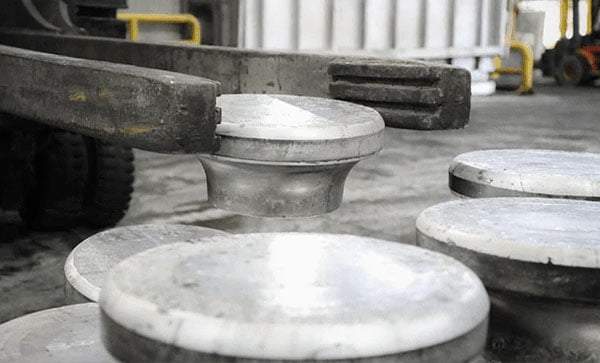
Steel forge technology continues to evolve. Ongoing advancements include:
- Improved Efficiency: Research is focused on improving the energy efficiency of all types of forges.
- Automation: Some industrial forges are incorporating automation for increased precision and productivity.
- Hybrid Systems: Combining different heating methods to optimize performance.
These developments promise to further enhance the capabilities of steel forges.
Conclusion
Steel forges are essential tools for anyone working with steel. From the traditional coal forge to modern gas and induction forges, these powerful tools enable metalworkers to shape and transform metal into a wide range of products. Understanding the different types of steel forges, their uses, and safety considerations is crucial for successful and safe metalworking. Choosing the right steel forge is a vital investment for any metalworking endeavor. The steel forge continues to be a crucial component of metalworking across various applications.
FAQ
Q: What is the best type of steel forge for a beginner?
A: A gas forge is generally recommended for beginners due to its ease of use and temperature control.
Q: What temperature does a steel forge need to reach?
A: A steel forge needs to reach temperatures of around 2200-2400°F (1200-1300°C) to effectively work with steel.
Q: How do I maintain a steel forge?
A: Regular cleaning and inspection are essential for maintaining a steel forge.
Q: What safety precautions should I take when using a steel forge?
A: Always wear protective gear, ensure adequate ventilation, and have fire safety equipment readily available.
Q: Where can I buy a steel forge?
A: Steel forges can be purchased from metalworking supply stores, online retailers, and manufacturers.