Shandong Qilu lndustrial Co.,Ltd.

Strong & Lightweight: Benefits of Hollow Steel Tubes
Welcome to My Blog!
Before we dive into the content, I’d love for you to join me on my social media platforms where I share more insights, engage with the community, and post updates. Here’s how you can connect with me:
Facebook:https://www.facebook.com/profile.php?id=100090903441806
Now, let’s get started on our journey together. I hope you find the content here insightful, engaging, and valuable.
Table of Contents
Introduction

Hollow steel tubes, often referred to as tubular steel or hollow sections, are versatile structural components that have gained significant popularity across various industries. These cylindrical or rectangular structures, characterized by their hollow core, offer a unique blend of strength and lightweight properties, making them an ideal choice for numerous applications. Unlike solid steel bars, hollow steel tubes optimize material distribution, resulting in exceptional strength-to-weight ratios. This blog post delves into the key benefits of hollow steel tube, explores their diverse applications, and addresses common questions.
Understanding Hollow Steel Tubes
Hollow steel tubes are typically manufactured from steel plates that are rolled and welded to form seamless or welded tubes. The hollow design significantly enhances their strength-to-weight ratio compared to solid steel bars. This efficiency in material usage translates to reduced weight, making hollow steel tubes an attractive option for various applications where weight reduction is a critical factor.
Key Benefits of Hollow Steel Tubes
High Strength-to-Weight Ratio:
The hollow design of steel tubes optimizes the distribution of material, resulting in exceptional strength while maintaining a lightweight profile. This characteristic makes them ideal for applications where weight reduction is essential without compromising structural integrity.
Versatility:
Hollow steel tube can be easily shaped and fabricated into various structures, making them suitable for a wide range of applications. They can be bent, cut, welded, and drilled to accommodate specific design requirements, providing flexibility in engineering and construction.
Corrosion Resistance:
When properly coated or galvanized, hollow steel tube exhibit excellent resistance to corrosion. This durability extends their lifespan and reduces maintenance costs, making them suitable for both indoor and outdoor applications.
Energy Efficiency:
The lightweight nature of hollow steel tubes contributes to energy efficiency in various ways. Reduced weight leads to lower transportation costs and energy consumption during construction. Additionally, lighter structures can reduce the energy required for heating and cooling, further enhancing energy efficiency.
Cost-Effectiveness:
Hollow steel tubes are often more cost-effective than solid steel bars due to their efficient use of material and ease of manufacturing. By minimizing material waste and simplifying fabrication processes, hollow steel tube can help reduce overall project costs.
Applications of Hollow Steel Tubes
Hollow steel tubes find applications in numerous industries, including:
Construction:
- Building Frameworks: Used to create strong and lightweight frameworks for buildings and structures.
- Scaffolding: Employed in the construction of scaffolding systems for various building projects.
- Support Structures: Utilized to support roofs, floors, and other structural elements.
Automotive:
- Vehicle Frames: Used in the manufacturing of vehicle frames and chassis to improve strength and reduce weight.
- Suspension Components: Employed in the construction of suspension components, such as control arms and shock absorbers.
Mechanical Engineering:
- Shafts: Used to transmit power and torque in various machinery.
- Axles: Employed in the construction of axles for vehicles and machinery.
- Machine Components: Utilized in the fabrication of various machine components, such as levers and linkages.
Furniture:
- Furniture Frames: Used to create strong and durable furniture frames, such as chairs, tables, and beds.
- Support Structures: Employed to support furniture components, such as shelves and drawers.
Sports Equipment:
- Bicycle Frames: Used in the manufacturing of bicycle frames to improve performance and reduce weight.
- Gym Equipment: Employed in the construction of gym equipment, such as weightlifting bars and exercise machines.
- Sports Equipment: Utilized in the fabrication of various sports equipment, such as hockey sticks and golf club shafts.
Comparison of Hollow Steel Tubes and Solid Steel Bars
| Feature | Hollow Steel Tubes | Solid Steel Bars |
|---|---|---|
| Strength-to-weight ratio | High | Lower |
| Versatility | High | Lower |
| Corrosion resistance | Good (with proper coating) | Lower |
| Cost-effectiveness | Generally higher | Generally lower |
| Applications | Wide range | Limited range |
Factors Affecting the Strength of Hollow Steel Tubes
The strength of a hollow steel tube is influenced by several factors, including:
- Material Grade: The type of steel used, such as carbon steel or stainless steel, significantly impacts the tube’s strength and durability.
- Wall Thickness: A thicker wall provides greater strength and rigidity, making the tube more resistant to bending and other stresses.
- Tube Diameter: The outer diameter of the tube influences its bending resistance. A larger diameter generally results in higher bending strength.
- Manufacturing Process: The manufacturing process, such as cold-formed or hot-rolled, can affect the tube’s mechanical properties.
Choosing the Right Hollow Steel Tube
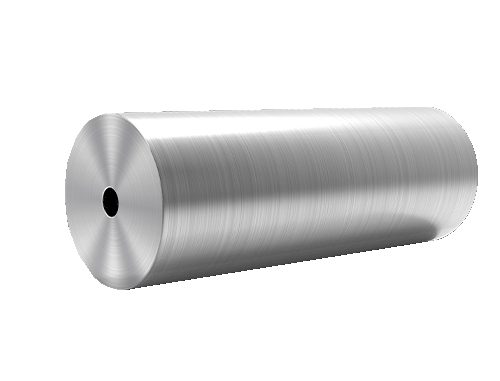
Selecting the appropriate hollow steel tube for a specific application requires careful consideration of several factors:
- Load-bearing capacity: The tube must be able to withstand the expected loads and stresses without deformation or failure.
- Corrosion resistance: The environment in which the tube will be used will determine the required level of corrosion protection.
- Cost: The cost of the tube should be balanced against its performance and durability.
- Weight limitations: If weight reduction is a primary concern, a lightweight hollow steel tube should be selected.
- Aesthetic considerations: The tube’s appearance may be important in certain applications, such as furniture or architectural structures.
Conclusion
Hollow steel tubes offer a compelling combination of strength, lightweight, and versatility, making them an ideal choice for a wide range of applications. Their high strength-to-weight ratio, corrosion resistance, and cost-effectiveness make them a preferred material in industries such as construction, automotive, and mechanical engineering. By understanding the benefits and factors affecting the strength of hollow steel tubes, engineers and designers can make informed decisions when selecting these materials for their projects.
FAQ
What is the difference between hollow steel tubes and pipes?
While both are tubular structures, hollow steel tubes are typically used for structural purposes, while pipes are primarily used for fluid conveyance.
How are hollow steel tubes manufactured?
Hollow steel tubes are commonly manufactured through processes like cold forming, hot rolling, or welding.
How do I calculate the strength of a hollow steel tube?
The strength of a hollow steel tube can be calculated using various engineering formulas, considering factors like material properties, wall thickness, and tube diameter.
What are the advantages of using hollow steel tubes over solid steel bars?
Hollow steel tubes offer a higher strength-to-weight ratio, greater versatility, and improved corrosion resistance compared to solid steel bars.