Shandong Qilu lndustrial Co.,Ltd.

Quench and Tempering Process: Benefits and Applications
Welcome to My Blog!
Before we dive into the content, I’d love for you to join me on my social media platforms where I share more insights, engage with the community, and post updates. Here’s how you can connect with me:
Facebook:https://www.facebook.com/profile.php?id=100090903441806
Now, let’s get started on our journey together. I hope you find the content here insightful, engaging, and valuable.
Introduction
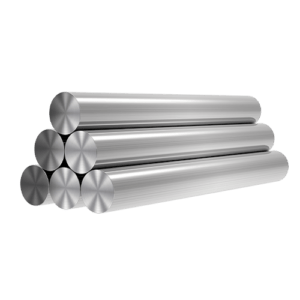
The quench and tempering process is a critical heat treatment technique widely used to improve the mechanical properties of metals, particularly steel. By enhancing hardness, strength, and toughness, this process plays an indispensable role in manufacturing high-performance materials for various industries. In this blog, we will delve into the key benefits and applications of the quench and tempering process, its steps, and why it is essential for modern metallurgy.
What is the Quench and Tempering Process?
The quench and tempering process involves two main stages:
- Quenching: Heating the material to a specific temperature (above its critical point) and rapidly cooling it using a medium such as water, oil, or air.
- Tempering: Reheating the quenched material to a lower temperature and cooling it at a controlled rate to reduce brittleness and achieve desired mechanical properties.
This dual-stage treatment ensures that the material achieves optimal hardness and toughness, making it suitable for demanding applications.
Benefits of the Quench and Tempering Process
The quench and tempering process offers numerous benefits, including:
Enhanced Hardness and Strength
Quenching creates a harder surface by transforming the steel’s microstructure into martensite. Tempering then balances hardness with strength, ensuring durability without excessive brittleness.
Improved Toughness
The tempering phase refines the steel’s structure, making it more resistant to impact and deformation under stress. This makes the material ideal for applications requiring high toughness.
Wear Resistance
By increasing the hardness of the material, the quench and tempering process significantly improves wear resistance, prolonging the lifespan of components in abrasive environments.
Customizable Properties
Adjusting the quenching medium, temperature, and tempering duration allows manufacturers to tailor the material’s properties to specific applications.
Corrosion Resistance
For certain alloys, the process can enhance corrosion resistance, a critical factor in industries like marine engineering and construction.
Steps in the Quench and Tempering Process
The quench and tempering process typically follows these steps:
Preparation: Cleaning the material to remove impurities.
Heating: Raising the material’s temperature above its critical point in a controlled environment.
Quenching: Rapid cooling using a medium such as water, oil, or air.
Tempering: Reheating to a lower temperature and cooling slowly.
Table: Comparison of Quenching Media
| Medium | Cooling Rate | Typical Applications | Advantages |
|---|---|---|---|
| Water | Fast | Low-alloy steels | Economical, readily available |
| Oil | Moderate | High-carbon steels | Reduced distortion |
| Air | Slow | Tool steels, high-alloy steels | Minimal cracking risk |
Applications of the Quench and Tempering Process
Automotive Industry
Components like gears, shafts, and springs rely on the quench and tempering process for durability and performance under dynamic loads.
Construction
High-strength steel used in bridges, buildings, and structural components often undergoes quench and tempering to meet safety standards.
Oil and Gas Sector
Drill bits, pipelines, and valves require excellent wear resistance and toughness, achievable through the quench and tempering process.
Tool Manufacturing
Cutting tools, dies, and molds gain enhanced hardness and longevity through this treatment.
Aerospace Engineering
Aircraft landing gear and structural components demand superior mechanical properties, often achieved through quench and tempering.
Factors Affecting the Process
Several factors influence the outcome of the quench and tempering process:
- Material Composition: Alloying elements like carbon, chromium, and molybdenum affect the material’s response to heat treatment.
- Heating and Cooling Rates: Faster rates can increase hardness but may lead to distortion or cracking.
- Quenching Medium: The choice of medium impacts cooling rate and material performance.
- Tempering Temperature: Higher temperatures reduce hardness but improve toughness.
Common Challenges in Quench and Tempering
Cracking
Rapid cooling during quenching can cause cracks in materials with high internal stresses. Proper preparation and quenching techniques are essential.
Distortion
Uneven cooling may lead to warping or distortion. Using appropriate fixtures and quenching media minimizes this risk.
Over-Tempering
Excessive tempering can reduce the material’s hardness, compromising its wear resistance.
Conclusion
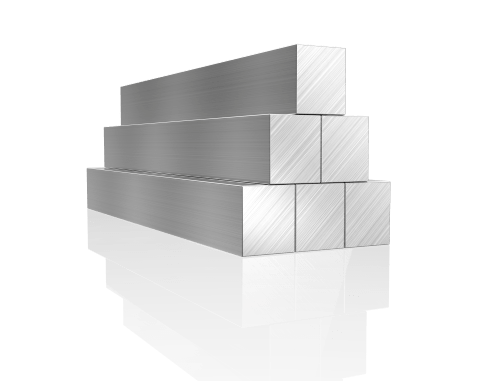
The quench and tempering process is a cornerstone of modern metallurgy, offering unparalleled benefits for enhancing the mechanical properties of steel and other alloys. Its ability to combine hardness, toughness, and durability makes it indispensable in industries like automotive, aerospace, and construction. By understanding the principles, benefits, and applications of this process, manufacturers can unlock new possibilities for high-performance materials.
FAQ
What is the primary purpose of the quench and tempering process?
The process aims to enhance the hardness, strength, and toughness of metals, particularly steel, to meet specific performance requirements.
Can all steels undergo the quench and tempering process?
Not all steels are suitable. The process is most effective for carbon steels and alloy steels with sufficient hardenability.
How does the quenching medium affect the process?
The choice of medium (water, oil, or air) impacts the cooling rate, which in turn affects the material’s hardness and risk of distortion or cracking.
What industries benefit most from this process?
Key industries include automotive, aerospace, construction, oil and gas, and tool manufacturing.
Is the process environmentally friendly?
While effective, the process may involve the use of oils and high-energy heating. Efforts are ongoing to develop more sustainable alternatives.
By leveraging the quench and tempering process, industries can produce materials with tailored properties, ensuring performance and reliability in demanding applications.