Shandong Qilu lndustrial Co.,Ltd.

Elevate Your Projects with Specialty Forged Components
Welcome to My Blog!
Before we dive into the content, I’d love for you to join me on my social media platforms where I share more insights, engage with the community, and post updates. Here’s how you can connect with me:
Facebook:https://www.facebook.com/profile.php?id=100090903441806
Now, let’s get started on our journey together. I hope you find the content here insightful, engaging, and valuable.
Introduction
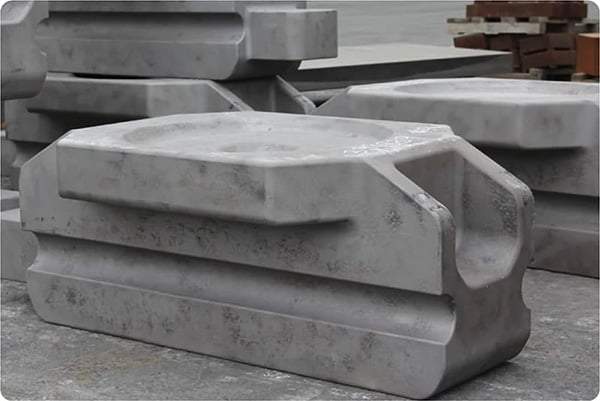
In the dynamic landscape of modern manufacturing, precision engineering plays a crucial role in driving innovation and performance. Specialty forged components, crafted through specialized techniques and advanced metallurgy, offer a compelling solution for industries demanding exceptional strength, durability, and intricate design. From the automotive sector to aerospace engineering, these components are the backbone of high-performance systems, ensuring optimal functionality and longevity. In this comprehensive exploration, we delve into the intricacies of specialty forged components, uncovering their unique characteristics, diverse applications, and the transformative impact they have on various industries.
Understanding Specialty Forged Components
A Closer Look at Specialty Forging
Specialty forging is a sophisticated manufacturing process that involves the strategic shaping of metal into precise geometries through the application of controlled force and heat. Unlike conventional forging techniques, specialty forging focuses on producing components with intricate designs, demanding tolerances, and superior mechanical properties. This specialized process is particularly suited for high-value applications where conventional methods fall short in delivering the required level of precision and performance.
Key Attributes of Specialty Forged Components
- Enhanced Strength and Durability: Specialty forged components exhibit exceptional strength, toughness, and resistance to wear and tear, making them ideal for demanding environments. The controlled deformation and grain structure refinement achieved through the forging process result in significantly improved mechanical properties, ensuring optimal performance under extreme conditions.
- Precision and Accuracy: Tight tolerances and intricate geometries can be achieved through specialty forging, ensuring precise fit and function. Advanced tooling and meticulous process control enable the production of components with complex shapes and tight dimensional specifications, minimizing the need for subsequent machining operations.
- Versatility: A wide range of metals and alloys can be forged, allowing for customization to meet specific performance requirements. Specialty forging is compatible with a diverse array of materials, including carbon steels, alloy steels, stainless steels, titanium alloys, and nickel-based superalloys. This versatility enables the creation of components tailored to specific applications, optimizing performance and cost-effectiveness.
- Cost-Effective: Specialty forging can offer long-term cost savings due to reduced material waste, enhanced durability, and fewer assembly steps. By minimizing material waste and producing components with optimized designs, specialty forging can significantly reduce manufacturing costs. Additionally, the superior durability and reliability of specialty forged components can lead to extended service life, reducing maintenance and replacement expenses.
Applications of Specialty Forged Components
Specialty forged components find applications in a multitude of industries, each with its unique set of performance requirements and challenges.
- Automotive: Crankshafts, connecting rods, gears, and suspension components are critical components in automotive systems, subjected to high loads, rapid thermal cycling, and demanding operating conditions. Specialty forged components offer exceptional strength, durability, and precision, ensuring optimal engine performance and vehicle safety.
- Aerospace: Landing gear, turbine blades, fasteners, and structural components in aerospace applications must withstand extreme temperatures, high stresses, and corrosive environments. Specialty forged components provide the necessary strength, lightweight design, and reliability to meet the stringent requirements of the aerospace industry.
- Oil and Gas: Valves, fittings, and drilling equipment in the oil and gas industry operate in harsh conditions, including high pressures, corrosive fluids, and extreme temperatures. Specialty forged components offer the durability, resistance to fatigue, and reliability required for optimal performance in these demanding environments.
- Medical: Implants, surgical instruments, and orthopedic devices must meet stringent quality and safety standards, as well as possess biocompatibility and corrosion resistance. Specialty forged components offer the precision, strength, and biocompatibility required for medical applications, ensuring patient safety and improved outcomes.
- Energy: Turbine components, power generation equipment, and nuclear reactor parts require exceptional strength, fatigue resistance, and corrosion resistance to withstand the high temperatures, pressures, and harsh environments associated with energy generation. Specialty forged components provide the necessary performance and reliability to ensure efficient and safe energy production.
The Specialty Forging Process
The specialty forging process involves a series of carefully controlled steps to transform raw material into high-quality components.
- Material Selection: The appropriate metal or alloy is chosen based on the component’s intended application and required properties. Careful consideration is given to factors such as strength, ductility, corrosion resistance, and thermal properties to select the optimal material for the specific application.
- Heating: The metal is heated to a specific temperature, known as the forging temperature, to improve its malleability. This elevated temperature allows the metal to deform plastically under the applied forces, enabling the desired shape to be achieved.
- Forging: The heated metal is shaped using specialized forging equipment, such as hammers, presses, or dies. The forging process involves the application of controlled force to deform the metal into the desired shape. This can be achieved through various techniques, including open-die forging, closed-die forging, and impression die forging.
- Trimming and Finishing: Excess material is removed, and the component is finished to the desired dimensions and surface finish. Trimming operations remove any excess material that may have formed during the forging process, ensuring precise dimensions and clean surfaces. Finishing operations, such as machining or grinding, may be applied to achieve the desired surface finish and tolerances.
- Heat Treatment: Heat treatment processes, such as quenching and tempering, are often applied to enhance the component’s mechanical properties. Heat treatment involves controlled heating and cooling cycles to modify the microstructure of the metal, resulting in improved strength, hardness, ductility, and toughness.
Benefits of Specialty Forged Components
Specialty forged components offer a multitude of advantages that contribute to improved performance, reduced costs, and enhanced safety.
- Improved Performance: Specialty forged components offer superior strength, durability, and reliability compared to cast or machined components. The controlled deformation and grain structure refinement achieved through the forging process result in significantly improved mechanical properties, enabling the components to withstand demanding loads and harsh environments.
- Reduced Weight: Optimized designs and material selection can lead to weight reduction without compromising performance. By carefully designing the component geometry and selecting lightweight materials, specialty forging can help reduce the overall weight of assemblies, leading to improved fuel efficiency and reduced operational costs.
- Enhanced Safety: The use of specialty forged components in critical applications can improve safety and reduce the risk of failure. The superior strength, durability, and reliability of specialty forged components can help prevent catastrophic failures, ensuring the safety of personnel and equipment.
- Longer Service Life: Specialty forged components often have a longer service life, reducing maintenance costs and downtime. The enhanced mechanical properties and resistance to wear and tear of specialty forged components can significantly extend their service life, reducing the need for frequent replacements and minimizing downtime.
Selecting the Right Specialty Forging Partner
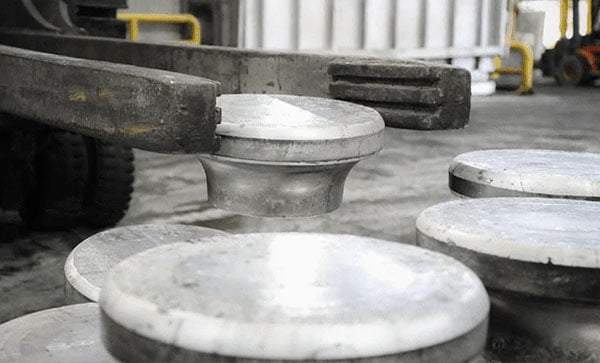
Selecting the right specialty forging partner is crucial to ensure the successful production of high-quality components that meet your specific requirements. Consider the following factors when making your decision:
- Experience and Expertise: Look for a company with a proven track record in specialty forging and a deep understanding of your industry. A partner with extensive experience in your specific application can provide valuable insights and recommendations to optimize the design and manufacturing process.
- Capabilities: Ensure the forger has the necessary equipment and processes to produce components that meet your exact specifications. A well-equipped facility with advanced forging equipment and skilled personnel is essential to deliver components with the required precision and quality.
- Quality Control: A robust quality control system is essential to guarantee the consistency and reliability of your components. A rigorous quality control process, including material testing, dimensional inspection, and non-destructive testing, ensures that the components meet the highest standards of quality and safety.
- Capacity: The forger should have the capacity to meet your production requirements, both in terms of volume and complexity. A reliable partner with sufficient capacity can ensure timely delivery of your components, minimizing production delays and supply chain disruptions.
Conclusion
Specialty forged components represent a pinnacle of manufacturing excellence, offering a compelling solution for industries demanding exceptional performance, reliability, and precision. By understanding the unique characteristics, diverse applications, and benefits of specialty forged components, you can harness their potential to elevate your projects and achieve optimal results. By carefully selecting a reputable specialty forging partner, you can ensure the production of high-quality components that meet your specific requirements and contribute to the success of your endeavors.
FAQ
What is the difference between specialty forging and standard forging?
Specialty forging focuses on producing components with intricate designs, tight tolerances, and superior mechanical properties, often used in high-value applications. Standard forging is a more general-purpose process, producing components with simpler shapes and less stringent requirements.
What types of metals can be specialty forged?
A wide range of metals and alloys can be specialty forged, including carbon steels, alloy steels, stainless steels, titanium alloys, and nickel-based superalloys. The choice of material depends on the specific application and required properties.
How can I determine if specialty forging is the right choice for my project?
Consider the complexity of the component design, required tolerances, mechanical properties, and production volume. If your project demands high precision, strength, and durability, specialty forging may be the ideal solution.
What are the common challenges associated with specialty forging?
Some common challenges include the high cost of tooling and equipment, the complexity of the process, and the need for skilled operators. Additionally, achieving consistent quality and minimizing defects can be challenging.
What are the benefits of using specialty forged components?
Specialty forged components offer numerous benefits, including enhanced strength and durability, improved precision and accuracy, versatility in material selection, and long-term cost-effectiveness. They can also lead to weight reduction, improved safety, and extended service life.