Shandong Qilu lndustrial Co.,Ltd.

Understanding Carbon Forged: Benefits and Applications
Welcome to My Blog!
Before we dive into the content, I’d love for you to join me on my social media platforms where I share more insights, engage with the community, and post updates. Here’s how you can connect with me:
Facebook:https://www.facebook.com/profile.php?id=100090903441806
Now, let’s get started on our journey together. I hope you find the content here insightful, engaging, and valuable.
Introduction
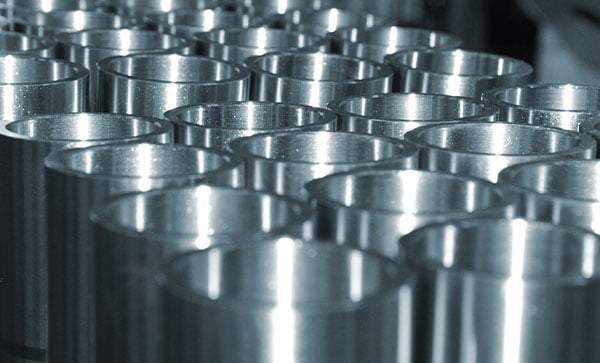
Carbon forged materials have garnered significant attention in recent years, particularly in industries where strength, durability, and lightweight components are paramount. These materials combine the properties of carbon with advanced forging techniques to create products that meet the high demands of modern applications. In this blog, we will explore the benefits of carbon steel forged materials, their applications across various industries, and address some common questions about this innovative technology.
What is Carbon Forging?
Carbon forging is a manufacturing process that involves shaping carbon-rich alloys through high-pressure application. This method enhances the material’s mechanical properties, resulting in products that are not only stronger but also more resilient to wear and tear. The process typically includes heating the carbon alloy to a malleable state, followed by shaping it using dies or hammers. The resulting product often exhibits superior qualities compared to those produced through traditional methods.
Benefits of Carbon Forged Materials
Superior Strength-to-Weight Ratio
One of the primary advantages of carbon forged materials is their exceptional strength-to-weight ratio. This means that components made from carbon steel forged materials can achieve high levels of strength without significantly increasing weight. This property is especially valuable in industries like aerospace and automotive, where every ounce counts.
| Property | Carbon Forged Materials | Traditional Materials |
|---|---|---|
| Tensile Strength (MPa) | 800-1000 | 400-600 |
| Weight (kg/m³) | 750-900 | 1000-1200 |
| Fatigue Strength (MPa) | 600-800 | 300-500 |
Enhanced Durability
Carbon forged components are engineered to endure harsh conditions. The forging process realigns the internal structure of the material, resulting in reduced porosity and increased resistance to fractures. This durability is particularly important in applications subjected to high stress or extreme environmental conditions.
Improved Machinability
The machinability of carbon forged materials is often superior to that of other materials. The refined microstructure allows for cleaner cuts and less tool wear during machining processes. This can lead to cost savings in production and maintenance, making carbon steel forged parts an attractive option for manufacturers.
Versatility in Applications
Carbon forged materials are utilized across various sectors, including automotive, aerospace, construction, and energy. Their versatility allows engineers to design components that meet specific requirements, from lightweight brackets to heavy-duty gears.
Cost-Effectiveness
While the initial investment in carbon forging may be higher than traditional methods, the long-term cost benefits are significant. The durability and reduced failure rates of carbon steel forged components lead to lower maintenance costs and longer service life, ultimately making them a cost-effective solution.
Environmentally Friendly
The carbon forging process is generally more environmentally friendly compared to other manufacturing methods. It often requires less energy and produces less waste, making it a more sustainable choice for manufacturers seeking to minimize their ecological footprint.
Customization Potential
Carbon forged materials can be tailored to meet specific performance requirements. Engineers can adjust the composition and forging parameters to produce materials that cater to unique application needs, thus enhancing performance and efficiency.
Applications of Carbon Forged Materials
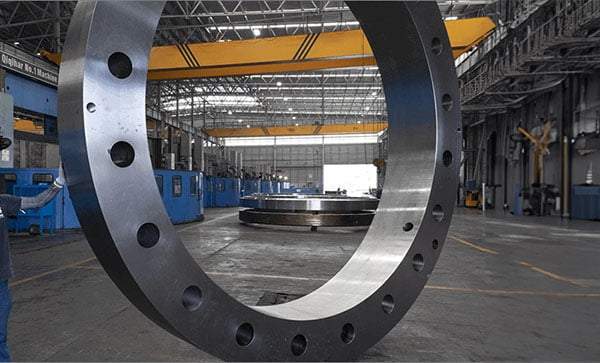
Automotive Industry
In the automotive sector, carbon forged materials are commonly used in high-performance components such as crankshafts, gears, and suspension parts. Their strength and lightweight characteristics contribute to improved fuel efficiency and handling.
Aerospace Engineering
Aerospace applications demand materials that can withstand extreme temperatures and pressures. Carbon steel forged materials are used in engine components, landing gear, and structural frames, ensuring safety and performance in flight.
Construction
In construction, carbon forged components are utilized in heavy machinery, tools, and structural supports. Their durability and resistance to wear make them ideal for high-load applications.
Energy Sector
The energy sector employs carbon forged materials in turbine blades, pumps, and valves. Their ability to withstand high pressures and corrosive environments is crucial in oil and gas, as well as renewable energy applications.
Conclusion
Carbon forged materials represent a significant advancement in manufacturing technology. Their combination of strength, durability, and versatility makes them an ideal choice for various applications across multiple industries. As demand for high-performance materials continues to grow, understanding the benefits and applications of carbon forged products becomes increasingly important. Whether you’re an engineer, manufacturer, or simply curious about innovative materials, carbon steel forged technology is worth exploring.
FAQ
What types of carbon are used in carbon forging?
Carbon forging typically uses high-carbon steels, which contain a carbon content ranging from 0.5% to 1.5%. The specific composition can be adjusted based on the desired mechanical properties.
How does carbon forging compare to casting?
While casting involves pouring molten metal into a mold, carbon forging shapes solid metal through deformation. Forging generally results in stronger materials with fewer defects than casting.
Can carbon forged materials be recycled?
Yes, carbon forged materials can be recycled. The recycling process involves melting down the material and reprocessing it, allowing for the creation of new components without the need for raw material extraction.
What are the limitations of carbon forged materials?
Although carbon forged materials are highly advantageous, they may not be suitable for all applications. Their performance can be affected by extreme temperatures and certain corrosive environments. Engineers must consider these factors during the design process.