Shandong Qilu lndustrial Co.,Ltd.

The Benefits of Using Metal Flanges
Welcome to My Blog!
Before we dive into the content, I’d love for you to join me on my social media platforms where I share more insights, engage with the community, and post updates. Here’s how you can connect with me:
Facebook:https://www.facebook.com/profile.php?id=100090903441806
Now, let’s get started on our journey together. I hope you find the content here insightful, engaging, and valuable.
Table of Contents
Introduction

Metal flanges are essential components in various industries, serving as a reliable and efficient method for connecting pipes, valves, pumps, and other equipment. They are typically circular or rectangular plates with holes drilled around their perimeter, allowing them to be bolted together to create a secure and leak-proof seal. Metal flanges are widely used in piping systems across diverse sectors, including oil and gas, chemical processing, water treatment, and manufacturing. Their robust construction and versatile design make them a preferred choice for joining pipes and equipment in demanding environments. This blog post will delve into the numerous benefits of using metal flanges in various applications.
What are Metal Flanges Made Of?
Metal flanges are manufactured from a variety of materials, each offering unique properties to suit specific applications. Common materials include:
- Carbon Steel: A cost-effective option for general-purpose applications.
- Stainless Steel: Provides excellent corrosion resistance, ideal for harsh environments.
- Alloy Steel: Offers enhanced strength and durability for high-pressure and high-temperature applications.
- Aluminum: Lightweight and corrosion-resistant, suitable for specific applications where weight is a concern.
The choice of material depends on factors such as the operating temperature, pressure, fluid being conveyed, and environmental conditions.
Key Advantages of Metal Flanges
Metal flanges offer a wide range of advantages that make them a preferred choice for connecting piping systems. These advantages include:
Reliable and Secure Connections with Flanges
Metal flanges provide a robust and leak-proof connection, ensuring the integrity of the piping system. The bolted connection creates a strong mechanical seal, preventing leaks and ensuring safe operation. This reliability is crucial in industries where leaks can have significant environmental and economic consequences.
Easy Installation and Maintenance of Flanges
Compared to other joining methods like welding, flanges are relatively easy to install and maintain. The bolted connection allows for easy disassembly and reassembly, facilitating maintenance, inspection, and repairs. This ease of maintenance reduces downtime and minimizes costs.
Versatility and Adaptability of Flanges
Flanges are available in a wide range of sizes, shapes, and materials, making them highly versatile and adaptable to various applications. They can be used to connect pipes of different sizes and materials, as well as to connect pipes to equipment. This versatility makes them a valuable component in complex piping systems.
High Pressure and Temperature Resistance of Flanges
Metal flanges are designed to withstand high pressures and temperatures, making them suitable for demanding applications in industries such as oil and gas and chemical processing. The robust construction and material selection ensure reliable performance under extreme conditions.
Cost-Effectiveness of Using Flanges
While the initial cost of flanges may be higher than some other joining methods, their long-term cost-effectiveness is significant. Their durability, ease of maintenance, and reliable performance contribute to lower lifecycle costs.
Standardized Dimensions and Interchangeability of Flanges
Flanges are manufactured to standardized dimensions, ensuring interchangeability and compatibility. This standardization simplifies design, installation, and maintenance, and reduces the need for custom-made components.
Types of Metal Flanges
There are various types of metal flanges, each designed for specific applications:
Weld Neck Flanges
Weld neck flanges are designed to be butt-welded to pipes, providing a strong and reliable connection. They are commonly used in high-pressure and high-temperature applications.
Slip-On Flanges
Slip-on flanges slip over the pipe and are welded both inside and outside. They are easier to install than weld neck flanges but offer slightly lower strength.
Threaded Flanges
Threaded flanges are screwed onto pipes and are suitable for low-pressure applications. They are easy to install but not suitable for high-pressure or high-temperature environments.
Blind Flanges
Blind flanges are used to close off the end of a pipe or vessel. They do not have a bore and are used for testing or maintenance purposes.
Socket Weld Flanges
Socket weld flanges are inserted into a recessed area of the flange and welded. They are suitable for small-diameter pipes and low-pressure applications.
Lap Joint Flanges
Lap joint flanges are used with a stub end fitting and are suitable for applications requiring frequent disassembly.
Metal Flange Applications Across Industries
Metal flanges find application in a wide array of industries due to their robust design and versatile functionality. Some prominent examples include:
Oil and Gas Industry Applications of Flanges
In the oil and gas sector, flanges are crucial for connecting pipelines, valves, and other equipment used in exploration, production, and transportation of oil and natural gas. They withstand harsh conditions and ensure safe and reliable operation.
Chemical Processing Industry Applications of Flanges
The chemical processing industry relies heavily on flanges for connecting pipes and equipment that handle corrosive and hazardous chemicals. The choice of flange material is critical to ensure compatibility and prevent leaks.
Water and Wastewater Treatment Industry Applications of Metal Flanges
Metal flanges are used in water and wastewater treatment plants for connecting pipes and equipment used in water purification and distribution. Their corrosion resistance is essential in these environments.
Manufacturing Industry Applications of Flanges
In manufacturing, metal flanges connect pipes and equipment used in various processes, such as material handling, cooling, and heating. Their versatility and adaptability make them a valuable component in manufacturing facilities.
Flange Standards and Specifications
Metal flanges are manufactured to various international standards, ensuring quality, compatibility, and safety. Some of the most common standards include:
- ASME B16.5: Pipe Flanges and Flanged Fittings
- ASME B16.47: Large Diameter Steel Flanges
- EN 1092-1: Flanges and their joints – Circular flanges for pipes, valves, fittings and accessories, PN designated
- DIN standards: German standards for flanges
Adhering to these standards ensures that metal flanges meet the required performance and safety criteria.
Comparison of Different Metal Flange Types
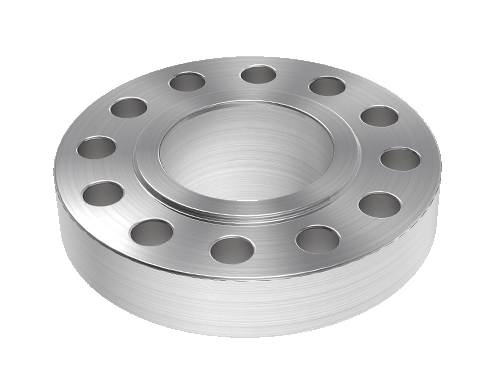
The following table summarizes the key characteristics of different metal flange types:
| Flange Type | Connection Type | Application | Advantages | Disadvantages |
|---|---|---|---|---|
| Weld Neck | Butt Weld | High pressure, high temperature | Strong, reliable, excellent for severe service | More expensive, requires precise welding |
| Slip-On | Fillet Weld | Low to moderate pressure, general service | Easy to install, less expensive than weld neck | Lower strength than weld neck |
| Threaded | Threaded | Low pressure, non-critical applications | Easy to install, no welding required | Not suitable for high pressure or temperature |
| Blind | Bolted | Closing off pipe ends, testing | Provides a complete seal | Not for connecting pipes |
| Socket Weld | Socket Weld | Small diameter pipes, low pressure applications | Easy alignment, good for small bore piping | Not suitable for high pressure or high temperature |
| Lap Joint | Bolted with Stub End | Frequent disassembly, low to moderate pressure | Easy alignment, allows for rotation of the flange | Requires a stub end fitting, not suitable for high pressure |
Conclusion
Metal flanges play a vital role in connecting piping systems across a wide range of industries. Their robust construction, versatile design, and numerous advantages make them a preferred choice for creating secure, reliable, and leak-proof connections. From high-pressure oil and gas pipelines to intricate chemical processing plants, metal flanges are essential components that ensure safe and efficient operation. By understanding the different types of flanges, their applications, and the relevant standards, engineers and technicians can make informed decisions to optimize piping system design and performance. The continued innovation in materials and manufacturing processes will further enhance the capabilities of metal flanges, ensuring their continued importance in the future. Their adaptability and the wide array of materials they can be manufactured from will continue to make metal flanges a versatile and cost-effective solution for joining pipes and equipment in various industrial settings for years to come.
FAQ
What is the purpose of a metal flange?
Metal flanges are used to connect pipes, valves, pumps, and other equipment to create a secure and leak-proof connection.
How do I choose the right metal flange?
The choice of flange depends on factors such as operating pressure, temperature, fluid being conveyed, and environmental conditions. Consulting with a piping system specialist is recommended.
What are the advantages of using metal flanges?
Key advantages include reliable connections, easy installation and maintenance, versatility, high pressure and temperature resistance, and cost-effectiveness.
Where are metal flanges used?
Metal flanges are used in various industries, including oil and gas, chemical processing, water treatment, manufacturing, and power generation.