Shandong Qilu lndustrial Co.,Ltd.

The Benefits of Stainless Steel Forging in Modern Manufacturing
Welcome to My Blog!
Before we dive into the content, I’d love for you to join me on my social media platforms where I share more insights, engage with the community, and post updates. Here’s how you can connect with me:
Facebook:https://www.facebook.com/profile.php?id=100090903441806
Now, let’s get started on our journey together. I hope you find the content here insightful, engaging, and valuable.
Introduction
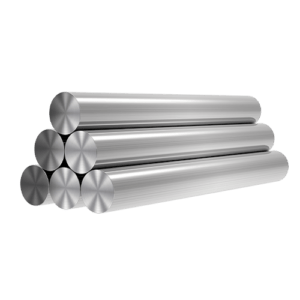
In the world of manufacturing, stainless steel forging has emerged as a crucial process for creating durable, high-quality components. Its ability to withstand extreme conditions, combined with its superior mechanical properties, makes it an invaluable method across various industries. From aerospace to automotive and medical devices, stainless steel forged parts ensures precision, strength, and reliability. This blog explores the numerous benefits of stainless steel forged parts, its applications, and the reasons why it remains a preferred choice in modern manufacturing.
Understanding Stainless Steel Forging
Stainless steel forged parts involves shaping stainless steel using compressive forces, typically under high temperatures. This process improves the metal’s strength and structural integrity, ensuring its suitability for demanding applications.
Key Features of Stainless Steel Forging:
- Enhanced durability
- Improved resistance to corrosion
- Superior strength-to-weight ratio
- Ability to withstand high and low temperatures
The versatility of stainless steel forging process makes it a foundational process for creating components used in critical industries.
Advantages of Stainless Steel Forging Over Other Processes
Compared to other manufacturing techniques, stainless steel forging process offers distinct advantages that enhance product performance and longevity.
| Feature | Forging | Casting | Machining |
|---|---|---|---|
| Structural Integrity | Excellent | Moderate | Moderate |
| Corrosion Resistance | High | Moderate | High |
| Material Waste | Minimal | Moderate | High |
| Durability Under Stress | Superior | Moderate | Low |
| Cost-Efficiency for Large Batches | High | Moderate | Low |
Forging creates a grain flow in the metal, enhancing its mechanical properties in ways that casting and machining cannot match.
Key Benefits of Stainless Steel Forging
Enhanced Strength and Durability
The forging process aligns the stainless steel’s internal grain structure, significantly improving its tensile and impact strength. This makes components capable of withstanding heavy loads and extreme conditions without failure.
Exceptional Corrosion Resistance
Stainless steel is naturally resistant to corrosion, and the forging process enhances this property. This is particularly beneficial for industries like marine, oil and gas, and pharmaceuticals, where exposure to harsh environments is common.
Cost-Effectiveness
While initial tooling costs for stainless steel forged parts can be high, the process becomes more economical for large-scale production. Its minimal material waste and superior component quality reduce long-term expenses.
Precision and Consistency
Forging ensures dimensional accuracy and uniformity, which is critical for components requiring tight tolerances, such as in aerospace or medical devices.
Environmental Sustainability
The forging process generates less waste and often uses recycled materials, making it an eco-friendly option for manufacturers.
Applications of Stainless Steel Forging in Modern Industries
Stainless steel forged parts is widely utilized in industries that demand high performance and reliability.
Major Applications:
| Industry | Application |
|---|---|
| Automotive | Engine components, gears, and axles |
| Aerospace | Turbine blades, landing gear, and structural parts |
| Medical | Surgical tools, implants, and diagnostic equipment |
| Oil and Gas | Valves, pumps, and pipeline fittings |
| Construction | Structural components and fasteners |
The ability of stainless steel forged parts to meet stringent quality standards makes it indispensable for these sectors.
Innovations Driving Stainless Steel Forging
Advancements in technology are continuously improving the efficiency and precision of stainless steel forged parts.
Innovations in Stainless Steel Forging:
- Automation: Robotic forging improves speed and consistency.
- AI Integration: AI-driven quality control systems reduce defects.
- Hybrid Forging: Combining traditional forging with additive manufacturing.
- Advanced Alloys: Development of new stainless steel grades for specialized applications.
These innovations ensure that stainless steel forging process remains at the forefront of modern manufacturing.
Challenges in Stainless Steel Forging and How to Overcome Them
Despite its benefits, stainless steel forged parts is not without challenges.
Common Challenges:
- High initial tooling costs
- Skilled labor shortages
- Energy-intensive processes
Solutions:
- Investing in energy-efficient technologies
- Training programs to upskill workers
- Optimizing production to reduce costs and energy consumption
Addressing these challenges ensures the continued growth and adoption of stainless steel forged parts.
Conclusion
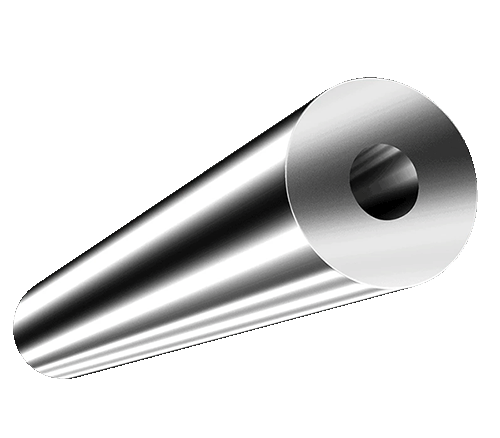
Stainless steel forging stands out as a critical process in modern manufacturing, offering unparalleled strength, durability, and precision. Its advantages make it a preferred choice across industries, from automotive to medical. With ongoing innovations and a focus on sustainability, the future of stainless steel forged parts is brighter than ever. By understanding its benefits and applications, manufacturers can leverage this process to meet the demands of an ever-evolving market.
FAQ
What is stainless steel forging?
Stainless steel forging is the process of shaping stainless steel using compressive forces, typically under high heat, to enhance its strength and durability.
What are the key benefits of stainless steel forging?
The process offers enhanced strength, superior corrosion resistance, cost-effectiveness, and precision, making it ideal for high-performance applications.
Which industries use stainless steel forging?
Industries such as automotive, aerospace, medical, oil and gas, and construction heavily rely on stainless steel forged parts for critical components.
Is stainless steel forging sustainable?
Yes, stainless steel forging process generates minimal waste and often uses recycled materials, making it an environmentally friendly process.
How does stainless steel forging compare to casting?
While casting is better for intricate shapes, stainless steel forged parts offers superior strength, durability, and structural integrity, making it ideal for high-stress applications.
By choosing stainless steel forged parts, manufacturers ensure high-quality, durable components that meet modern industrial demands.