Shandong Qilu lndustrial Co.,Ltd.

The Advantages of Stainless Steel Blocks in Construction
Welcome to My Blog!
Before we dive into the content, I’d love for you to join me on my social media platforms where I share more insights, engage with the community, and post updates. Here’s how you can connect with me:
Facebook:https://www.facebook.com/profile.php?id=100090903441806
Now, let’s get started on our journey together. I hope you find the content here insightful, engaging, and valuable.
Introduction
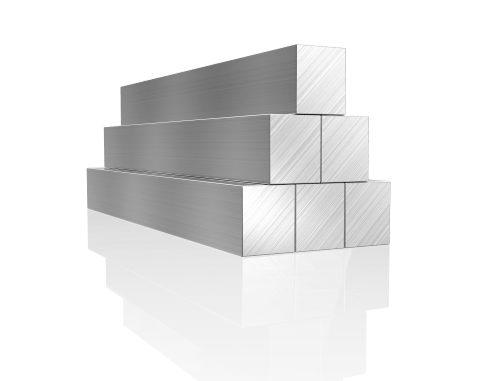
Stainless steel blocks have become an increasingly popular choice in the construction industry due to their exceptional properties and performance. Known for their durability, corrosion resistance, and aesthetic appeal, stainless steel blocks offer a wide range of benefits that make them an ideal material for various construction applications. This blog explores the advantages of using stainless steel blocks in construction, providing insights into their key benefits, applications, and practical considerations. Whether you’re involved in residential, commercial, or industrial construction, understanding these advantages can help you make informed decisions about incorporating steel blocks into your projects.
Understanding Stainless Steel Blocks
What Are Stainless Steel Blocks?
Stainless steel blocks are solid, rectangular or square pieces made from stainless steel alloy, typically composed of iron, chromium (around 10-12%), and nickel (around 8-10%). These blocks are manufactured through processes such as casting or forging and are available in various sizes and thicknesses. They are known for their robust mechanical properties and resistance to environmental factors, making them suitable for demanding construction applications.
Key Properties of Stainless Steel Blocks
The key properties of stainless steel blocks include:
- Corrosion Resistance: Stainless steel blocks exhibit excellent resistance to rust and corrosion, which makes them suitable for use in harsh environments.
- Strength and Durability: They have high tensile strength and impact resistance, contributing to their long service life.
- Aesthetic Appeal: Steel blocks offer a modern, polished appearance that enhances the visual appeal of construction projects.
- Temperature Resistance: They can withstand a wide range of temperatures, from extreme cold to high heat.
Advantages of Stainless Steel Blocks in Construction
Enhanced Durability
One of the primary advantages of steel blocks is their exceptional durability. They are resistant to various forms of damage, including physical impacts, abrasion, and chemical exposure. This durability ensures that steel blocks can withstand the rigors of construction environments, leading to longer-lasting structures and reduced maintenance costs.
Superior Corrosion Resistance
Stainless steel blocks are renowned for their superior resistance to corrosion. This property is particularly valuable in construction applications exposed to moisture, chemicals, or saline environments. For instance, steel blocks are often used in coastal areas where saltwater can cause significant corrosion to other materials.
Low Maintenance Requirements
The low maintenance requirements of stainless steel blocks make them an attractive option for construction projects. Unlike other materials that may require frequent painting or treatment to prevent rust and deterioration, steel blocks maintain their appearance and structural integrity with minimal upkeep. This contributes to cost savings over the long term.
Aesthetic Versatility
Stainless steel blocks offer a sleek and modern appearance that can enhance the aesthetic appeal of construction projects. Their reflective surface and clean lines can contribute to contemporary architectural designs and are suitable for both interior and exterior applications. This versatility allows for creative design possibilities.
Environmental Sustainability
Stainless steel blocks are environmentally friendly due to their recyclability and longevity. The material can be recycled at the end of its lifecycle without losing quality, reducing the overall environmental impact. Additionally, the long lifespan of steel blocks means that fewer resources are needed for replacements and repairs.
High Strength-to-Weight Ratio
The high strength-to-weight ratio of steel blocks makes them an efficient choice for construction. They offer significant strength and durability while being relatively lightweight compared to other materials. This characteristic is advantageous in applications where weight is a critical factor, such as structural supports and architectural elements.
Key Applications of Stainless Steel Blocks
Structural Supports
Stainless steel blocks are commonly used as structural supports in construction due to their high strength and resistance to environmental factors. They can be employed in beams, columns, and load-bearing walls, providing robust support for various structures.
Architectural Features
In architectural design, steel blocks are used to create visually striking features such as facades, cladding, and decorative elements. Their modern appearance and ability to withstand weather conditions make them ideal for enhancing the aesthetic appeal of buildings.
Industrial Applications
In industrial settings, steel blocks are utilized in machinery, equipment, and infrastructure due to their durability and resistance to harsh conditions. They are often found in environments where exposure to chemicals, high temperatures, or heavy loads is common.
Infrastructure Projects
Stainless steel blocks are employed in infrastructure projects such as bridges, tunnels, and transportation systems. Their strength, durability, and resistance to corrosion make them suitable for critical components that require reliable performance over time.
Practical Considerations When Using Stainless Steel Blocks
Cost Considerations
While stainless steel blocks offer numerous advantages, they can be more expensive than other materials. It is important to evaluate the cost against the benefits, considering factors such as longevity, maintenance savings, and performance. The initial investment in steel blocks can be offset by their durability and low maintenance requirements.
Fabrication and Installation
Proper fabrication and installation are crucial to ensure the optimal performance of stainless steel blocks. Precision cutting, welding, and alignment are necessary to achieve the desired results and maintain the structural integrity of the blocks. Engaging skilled professionals for these tasks is recommended.
Environmental Factors
When using stainless steel blocks, consider the environmental factors of the construction site. Although stainless steel is highly resistant to corrosion, extreme conditions such as high salinity or chemical exposure may require additional protective measures.
Design Flexibility
Stainless steel blocks offer significant design flexibility, but it is important to work with architects and engineers to maximize their potential. Proper planning and design considerations can help integrate steel blocks effectively into construction projects and achieve the desired aesthetic and functional outcomes.
Table: Properties and Benefits of Stainless Steel Blocks

| Property | Description |
|---|---|
| Corrosion Resistance | Excellent resistance to rust and corrosion |
| Durability | High tensile strength and impact resistance |
| Maintenance | Low maintenance requirements |
| Aesthetic Appeal | Modern, sleek appearance |
| Environmental Impact | Recyclable and long-lasting |
| Strength-to-Weight Ratio | High strength with relatively low weight |
Conclusion
Stainless steel blocks offer a multitude of advantages in construction, from their superior durability and corrosion resistance to their aesthetic versatility and low maintenance requirements. Their ability to perform well in demanding environments and contribute to sustainable building practices makes them a valuable material for a wide range of applications. By understanding the benefits and practical considerations associated with steel blocks, construction professionals can make informed decisions that enhance the quality and longevity of their projects.
FAQ
What are the main benefits of using stainless steel blocks in construction?
The main benefits include enhanced durability, superior corrosion resistance, low maintenance requirements, aesthetic versatility, environmental sustainability, and a high strength-to-weight ratio.
How do steel blocks compare to other construction materials in terms of cost?
Steel blocks are generally more expensive than other materials. However, their long lifespan and low maintenance requirements can offset the initial investment, making them a cost-effective choice in the long run.
Can stainless steel blocks be used in all types of construction projects?
Yes, stainless steel blocks are versatile and can be used in various construction projects, including structural supports, architectural features, industrial applications, and infrastructure projects.
How should steel blocks be maintained?
Steel blocks require minimal maintenance. Regular cleaning with mild detergents and avoiding harsh chemicals or abrasive materials can help maintain their appearance and performance.
Are stainless steel blocks environmentally friendly?
Yes, stainless steel blocks are environmentally friendly due to their recyclability and long lifespan. Recycling stainless steel reduces environmental impact and conserves resources.