Shandong Qilu lndustrial Co.,Ltd.

The Importance of Forged Steel Flanges in Modern Industrial Systems
Table of Contents
A Forged Steel Flange is a key component used in various industries, including piping systems and heavy-duty machinery. Manufactured through the forging process, this flange offers superior strength, durability, and is ideal for high-pressure environments. In this article, we will dive into the process, benefits, and applications of this critical industrial component, highlighting why it is essential in modern industrial systems.
The Forging Process of Steel Flanges
The production of Forged Steel Flanges begins by heating a steel billet to a high temperature and then shaping it under immense pressure. This process results in a component that is significantly stronger than those made through casting. The forging process aligns the steel’s grain structure, which increases tensile strength and improves the overall structural integrity of the component.
Unlike cast flanges, which may contain internal defects or impurities, Forged Steel Flanges are solid throughout, ensuring a high degree of reliability and performance. This makes them especially valuable in applications requiring high pressure and mechanical stress resistance, such as in the oil and gas industry.
Reference Link: For more detailed information on the forging process, visit Forging Process on Wikipedia.
Why Forging Steel is Essential in Industrial Applications
1.Strength and Durability
The primary reason for using Forged Steel Flanges in high-demand industrial systems is their exceptional strength. Forging improves the material’s grain structure, enhancing its resistance to mechanical stresses, pressure, and fatigue. As a result, these flanges can endure the toughest operating conditions.
2.Resistance to High Temperature and Pressure
Forged Steel Flanges are designed to withstand extreme temperatures and pressures, which is why they are often used in steam pipelines and chemical reactors. Their ability to perform well in such environments makes them ideal for industries like petrochemicals, power generation, and aerospace, where reliability is paramount.
3.Fatigue Resistance
The forging process also provides Forged Steel Flanges with superior fatigue resistance. This makes them an excellent choice for applications that involve repeated stresses, such as in mechanical systems or heavy machinery, where components experience cyclic loading and unloading.
Applications of Forged Steel Flanges
1.Wind Power Industry

In the renewable energy sector, Forged Steel Flanges are used extensively in wind turbine assemblies, particularly in the connection between the turbine blades and hubs. These flanges must endure significant mechanical stress and harsh environmental conditions, and forged steel is the ideal material for the job.
2.Petrochemical and Chemical Plants
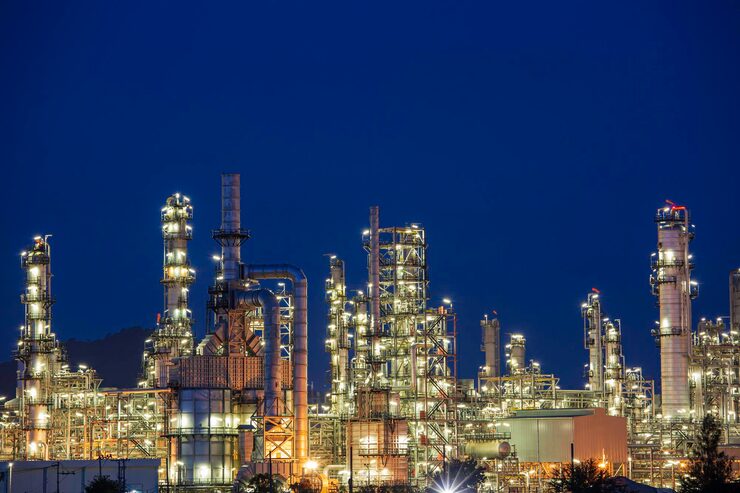
The petrochemical industry demands components that can withstand both high pressure and corrosive chemicals. Forged Steel Flanges are commonly used in pipeline systems and reactors to create leak-proof seals. These flanges’ resistance to corrosion and ability to handle extreme environments make them crucial for ensuring safety and efficiency.
3.Heavy Machinery and Construction
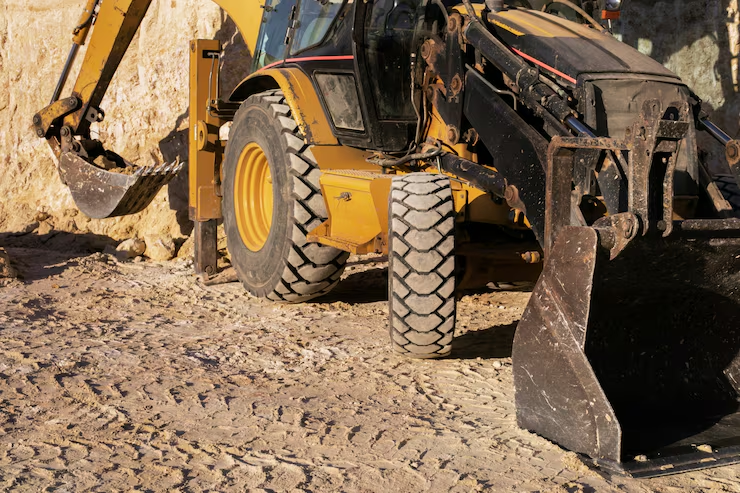
In heavy machinery and construction, Forged Steel Flanges play a critical role in ensuring the structural integrity of large equipment like cranes, bulldozers, and excavators. These flanges are used to transmit mechanical forces reliably, ensuring the equipment operates smoothly and safely under heavy loads.
Selecting the Right Flange for Your System
When selecting a Forged Steel Flange, several key factors need to be considered:
1.Material Grade
Flanges can be made from various grades of steel, such as carbon steel, stainless steel, or alloy steel. The material grade determines the flange’s strength, resistance to corrosion, and ability to withstand high temperatures. It’s essential to choose the correct material grade based on your application’s requirements.
2.Size and Pressure Rating
he size and pressure rating of the Forged Steel Flange must match your system’s specifications. Flanges come in different sizes, and it’s crucial to select one that is rated for the operating pressure and temperature of your system to ensure optimal performance.
3.Certification and Compliance
Ensure that the Forged Steel Flange you choose complies with industry standards and certifications like ASME, ASTM, or ANSI. These certifications guarantee that the flange has undergone stringent quality checks and meets all necessary performance standards.
Quality Control and Testing of Forged Steel Flanges
To ensure the reliability and safety of Forged Steel Flanges, manufacturers perform rigorous quality control and testing procedures, which include:
- Tensile Strength Testing: Ensures the flange can withstand mechanical stresses.
- Hardness Testing: Verifies the material’s ability to resist wear and deformation.
- Dimensional Inspection: Checks for any defects and ensures the flange meets the specified dimensions.
These tests ensure that Forged Steel Flanges meet the high standards required for use in critical industrial applications.
Conclusion: The Role of Forged Steel Flanges in Critical Systems
Forged Steel Flanges are essential components in many industries due to their outstanding strength, durability, and ability to withstand extreme conditions. From wind power to petrochemicals and heavy machinery, these flanges provide the reliability needed in high-pressure, high-temperature environments. Understanding the benefits, applications, and selection criteria for such components ensures that you can make an informed decision for your project, improving the performance and safety of your systems.
If you want to learn more about related knowledge and applications, please click here for more information.