Shandong Qilu lndustrial Co.,Ltd.

forged-steel-blocks-essential-cornerstone-industrial-strength
Forged steel blocks are critical components in industries requiring high strength, durability, and reliability. These blocks are used across various sectors like aerospace, automotive, energy, and construction to ensure that parts can withstand extreme conditions such as high pressure, temperature fluctuations, and mechanical wear.
Table of Contents
What Are Forged Steel Blocks?
These components are manufactured by heating steel billets to high temperatures and shaping them under intense pressure. This process refines the internal grain structure, resulting in improved mechanical strength and long-term reliability. Compared with cast steel products, they offer:
- Increased tensile strength
- Enhanced fatigue resistance
- Improved toughness
These properties make forged steel blocks ideal for high-performance applications across industries that demand resilience under extreme conditions.
The Forging Process
The forging process involves heating steel billets to high temperatures, making them malleable. The steel is then pressed or hammered into shape under extreme pressure. This method ensures:
- Uniform grain structure
- No internal defects
- Increased density
Forged steel blocks, therefore, provide superior strength and reliability compared to cast or rolled steel, making them ideal for demanding applications.
Advantages of Forged Steel Blocks
Enhanced Strength and Toughness
The forging process aligns the internal grain flow of the material, significantly enhancing tensile strength and overall toughness. This structural integrity allows it to withstand high pressure and extreme operating conditions, making it well suited for use in:
- Engine components
- Turbine blades
- Structural supports
Superior Crack and Wear Resistance
A uniform grain structure provides excellent resistance to cracking and wear. This characteristic is especially important for components subjected to heavy mechanical loads or frequent thermal fluctuations, such as:
- Automotive parts
- Industrial machinery
- Energy production equipment
Customizable Production
These components are highly versatile and can be customized to meet specific size, shape, and performance requirements. This adaptability allows them to support both large structural elements and precision-engineered parts across a wide range of industrial applications.
High Reliability and Stability
These components maintain stability and reliability under extreme pressure, temperature, and vibration. This makes them ideal for safety-critical applications in sectors such as aerospace, automotive, and energy, where failure is not an option.
Applications of Forged Steel Blocks
Aerospace Industry
Forged steel blocks are used for critical components such as engine parts, landing gear, and structural elements. These parts are exposed to extreme conditions, including high pressures and temperatures. The strength of forged steel ensures that these components can endure these stresses without compromising performance.

Automotive Industry
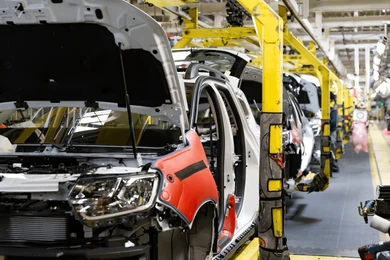
In automotive manufacturing, forged steel blocks are used for engine components, transmission systems, and suspension parts. These parts must endure significant mechanical stress, high-speed operation, and constant temperature fluctuations, requiring exceptional strength and long-term durability.
Energy Sector
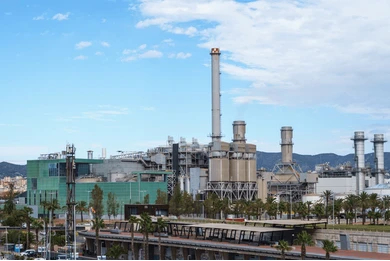
Forged steel blocks play a crucial role in the energy sector, particularly in oil, gas, and nuclear power. They are used in pressure vessels, pumps, and turbines, where they must withstand extreme pressure and high temperatures without failure.
Heavy Industry and Construction
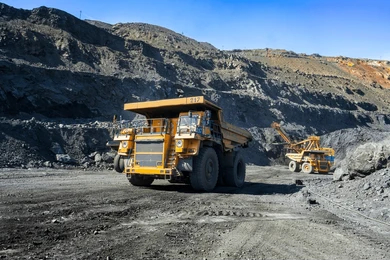
Forged steel blocks are essential for structural components such as beams, columns, and support brackets in construction and heavy industry. Their ability to bear heavy loads and resist fatigue makes them ideal for infrastructure projects like bridges and industrial buildings.
Technological Innovations: The Future of Forged Steel Blocks
High-Efficiency Heat Treatmen
Advances in heat treatment processes have significantly enhanced the hardness and wear resistance of steel components. Manufacturers can now precisely control heating and cooling cycles to achieve superior performance under extreme conditions.
Automation and Digital Manufacturing
The integration of automation and robotics into the forging process has increased efficiency and precision. Real-time monitoring ensures that each forged steel block meets strict quality standards, reducing errors and improving production consistency.
Sustainable Manufacturing Practices
As sustainability becomes increasingly important, manufacturers are adopting energy-efficient techniques, minimizing material waste, and incorporating more recycled content. These practices make production more environmentally friendly while ensuring high-performance standards are maintained.
Quality Control and Certification
Forged steel blocks undergo rigorous testing to ensure reliability. Advanced inspection techniques, such as ultrasonic and X-ray testing, are used to identify internal defects, ensuring consistent performance and dependability in critical industrial applications.
Conclusion
Forged steel blocks are a cornerstone of modern industrial manufacturing. Their strength, toughness, wear resistance, and reliability make them indispensable for high-performance applications across demanding sectors. As technology continues to advance, ongoing process improvements will further enhance performance while supporting more sustainable manufacturing practices.