Shandong Qilu lndustrial Co.,Ltd.

Enhancing Durability with Forged Carbon Steel Components
Table of Contents
Introduction
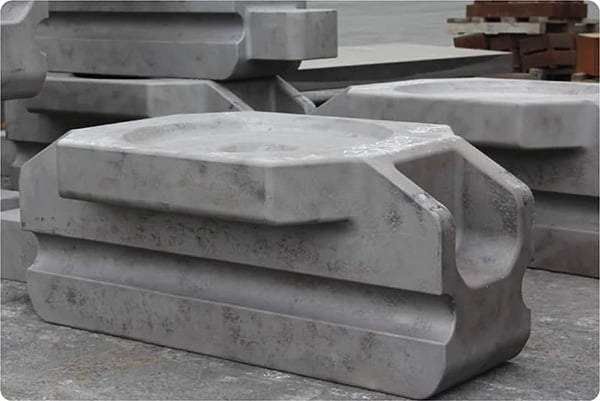
In industries like automotive, aerospace, and manufacturing, choosing durable materials is crucial. Forged carbon steel stands out for its exceptional strength and performance, making it the material of choice for high-stress applications. It can endure harsh conditions while maintaining reliability, ensuring long-lasting performance in demanding environments.
At Qilu, we specialize in high-quality forged components, such as shafts, rings, and discs, all manufactured to the highest standards. With presses ranging from 200 to 4000 tons, we offer customized solutions and have the advanced equipment to deliver reliable products globally. In this blog, we will explore the benefits of carbon steel forging, its durability, and why it is the preferred choice for critical industrial applications.
What Makes Forged Carbon Steel Components Highly Durable?
The durability of forged carbon steel comes down to its manufacturing process. Unlike cast steel, which is poured into molds and cooled, carbon steel forging is shaped by applying extreme pressure at high temperatures. This process refines the material’s grain structure, eliminating internal defects and increasing its overall strength.
Key factors that contribute to the durability of carbon steel forging include:
- Refined Grain Structure: The forging process aligns the steel’s grain structure, making it denser and less prone to failure.
- Superior Strength: The high pressure involved in forging increases the material’s strength, making it capable of withstanding extreme stress and heavy loads.
- Improved Fatigue Resistance: Forged carbon steel components are less likely to crack or break under repeated stress, enhancing their long-term performance.
Why Forged Carbon Steel is Stronger Than Cast Steel
Both forged carbon steel and cast steel are used extensively in manufacturing, but carbon steel forging has distinct advantages in terms of strength and resilience.
Here’s why forged carbon steel outperforms cast steel:
- Uniform Density: In the casting process, steel is poured into molds, which can result in porosity and inconsistent density. Forged carbon steel, however, undergoes high-pressure shaping, resulting in a denser material with a uniform structure that’s less likely to develop weak points.
- Fewer Defects: Forging eliminates internal defects like voids or inclusions that may form during the casting process. This results in a stronger, more reliable material overall.
- Higher Resistance to Impact: Forged carbon steel has superior impact resistance compared to cast steel, making it ideal for high-stress applications.
Forged Carbon Steel vs. Other Materials for Durability
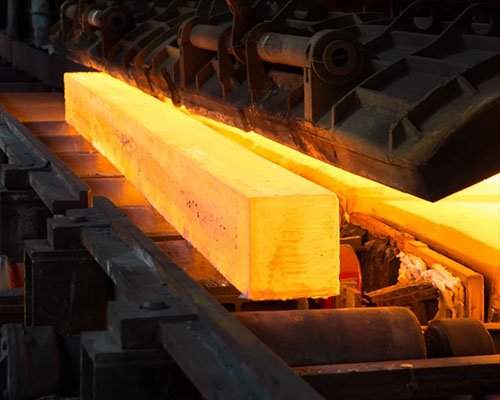
When considering carbon steel forging, it’s essential to compare it against other materials commonly used in manufacturing. Here’s how it stacks up against other materials like aluminum, stainless steel, and cast iron:
| Material | Strength | Durability | Corrosion Resistance | Cost |
|---|---|---|---|---|
| Forged Carbon Steel | High | High | Moderate | Moderate |
| Aluminum | Moderate | Low | High | Moderate |
| Stainless Steel | High | High | High | High |
| Cast Iron | Moderate | Low | Low | Low |
As seen in the table, forged carbon steel offers higher strength and durability than aluminum and cast iron while being more cost-effective than stainless steel. This makes carbon steel forging a balanced choice for applications where durability and cost are key considerations.
How Forged Carbon Steel Resists Wear and Tear in Manufacturing
In industrial applications, components must endure constant wear and tear. Forged carbon steel is highly resistant to abrasion, making it ideal for machinery and tools that experience frequent friction.
The benefits of carbon steel forging for wear resistance include:
- Hardness: The forging process results in a material that is harder and better suited to withstand abrasive forces.
- Low Porosity: The dense, uniform structure of carbon steel forging helps prevent the formation of weak spots that could lead to premature wear.
- Consistent Performance: Because of its tight grain structure, carbon steel forging can maintain its properties over extended periods of use, reducing the need for frequent repairs or replacements.
Industries such as construction, heavy machinery, and manufacturing rely on carbon steel forging for parts that need to resist wear and perform reliably.
Forged Carbon Steel in Automotive Parts: Long-Lasting Performance
In the automotive industry, carbon steel forging is commonly used in critical components that must endure high levels of stress and wear. This material is prized for its combination of strength, fatigue resistance, and long-lasting performance.
Common automotive applications of carbon steel forging include:
- Crankshafts and connecting rods, which must withstand high torque and pressure.
- Suspension components, which experience constant stress from road conditions and vehicle weight.
- Chassis parts, where strength and impact resistance are essential for vehicle safety.
The use of forged carbon steel in automotive manufacturing ensures that components perform reliably over the long term, even under demanding driving conditions.
How Forged Carbon Steel Improves Manufacturing Processes
Forged carbon steel plays a vital role in improving the efficiency and reliability of manufacturing processes. Its toughness and resilience reduce downtime, leading to smoother operations and lower maintenance costs.
Here’s how carbon steel forging contributes to manufacturing:
- Increased Uptime: Durable components mean fewer repairs, minimizing downtime in production environments.
- Better Performance: Equipment that uses carbon steel forging parts operates more efficiently and with greater stability, even under heavy loads.
- Cost-Effectiveness: Due to its long lifespan and reduced need for replacements, carbon steel forging lowers overall maintenance and production costs.
By using forged carbon steel components, manufacturers can achieve higher productivity and reduced operational costs.
Forged Carbon Steel for Critical Engineering Applications
In engineering, where precision and reliability are crucial, carbon steel forging has proven to be a vital material. Its strength, resistance to extreme conditions, and ability to maintain performance under stress make it indispensable in high-stakes applications.
Key engineering applications for carbon steel forging include:
- Turbine blades and compressor rotors for power generation, where strength and thermal stability are essential.
- Heavy-duty structural components in construction and mining equipment, which require exceptional durability under stress.
- Pressure vessels and pipelines in the oil and gas industry, where resistance to corrosion and pressure is critical.
The robust properties of carbon steel forging make it a trusted material for mission-critical applications across engineering sectors.
Why Choose Forged Carbon Steel for Industrial Parts?
When choosing materials for industrial applications, carbon steel forging offers several key advantages:
- High Strength and Durability: It’s ideal for parts that need to withstand heavy stress and repetitive use.
- Cost-Effectiveness: Compared to alternatives like stainless steel, carbon steel forging offers a more affordable option without sacrificing quality.
- Versatility: It’s suitable for a wide range of industries, from automotive to industrial machinery.
At Qilu, we specialize in producing high-quality carbon steel forging components. Our state-of-the-art facilities ensure that each part meets the highest standards of performance, so you can trust that our products will provide long-lasting, reliable service.
Conclusion
Forged carbon steel is a material known for its durability, strength, and versatility. Its superior performance in demanding applications makes it a go-to choice for industries ranging from automotive to engineering. With its ability to resist wear, impact, and fatigue, carbon steel forging components provide reliability and longevity, helping businesses reduce maintenance costs and improve operational efficiency.
At Qilu, we’re committed to providing high-quality carbon steel forging components that meet your manufacturing needs. For durable, high-performance parts, contact us today to learn how we can support your business.
FAQ
What is the difference between forged carbon steel and cast steel?
Forged carbon steel is denser and more uniform, making it stronger and more resistant to impact compared to cast steel.
How does carbon steel forging resist wear?
The forging process creates a tighter grain structure that increases hardness and resistance to abrasion, making it ideal for high-wear applications.
In which industries is carbon steel forging commonly used?
It is used in industries like automotive, aerospace, heavy machinery, and engineering for parts that require high strength and durability