Shandong Qilu lndustrial Co.,Ltd.

Exploring Wind Turbine Forgings: The Backbone of Reliable and Efficient Turbines
Table of Contents
In the modern renewable energy sector, wind turbines are a key player in generating clean, sustainable electricity. These turbines rely on several high-performance components to function effectively, and one of the most critical of these is the forged parts. Wind turbine forgings are essential to the operation, durability, and efficiency of turbines, providing the strength required to withstand mechanical stresses, extreme weather, and operational demands. This article will explore the importance of these forged components, the materials used, the manufacturing process, and their applications in wind energy systems.
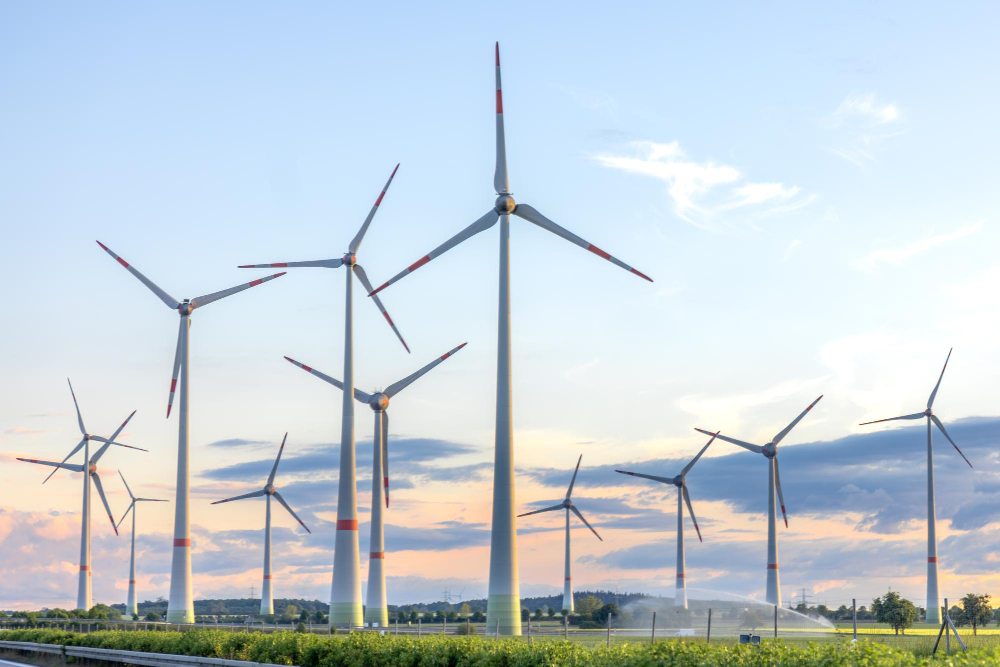
What Are Wind Turbine Forgings?
Wind turbine forgings are created through a process called forging, where metals such as steel or alloys are heated and shaped using high pressure. This results in components with a uniform grain structure, making them stronger, more durable, and less prone to failure under stress. Unlike cast parts, which may have internal voids or weaknesses, forged components are free from defects, providing high strength, resistance to fatigue, and increased longevity.
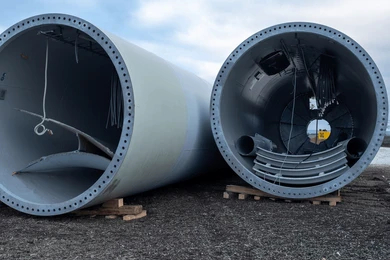
Some of the key wind turbine forgings include parts such as the main shaft, rotor hubs, bearings, gearbox components, and tower flanges. These components are subjected to immense forces during operation, so their strength and resilience are paramount for the turbine’s efficiency and reliability.
How Wind Turbine Forgings Enhance Durability
1.Material Strength and Fatigue Resistance
One of the key reasons wind turbine forgings are crucial for turbine longevity is their enhanced material strength. The forging process aligns the material’s grain structure, improving its mechanical properties. Forged parts are significantly stronger and more fatigue-resistant than cast or machined components, making them ideal for high-stress turbine parts that experience constant mechanical forces, such as the main shaft and rotor hub.
The fatigue resistance of these forged components ensures that they can withstand the cyclic loading that comes from the continuous rotation of the blades. This is especially important in offshore wind turbines, where parts are exposed to saltwater and harsh environmental conditions, further amplifying the need for durability.
2.Reduced Wear and Tear
Forged parts have a high level of resistance to wear, which is another reason why wind turbine forgings are so widely used. Wind turbines are subject to constant mechanical friction, especially in critical parts like the gearbox and bearings. By using forged components, these moving parts maintain their integrity longer, reducing the likelihood of failure and the need for frequent maintenance.
Manufacturing Process of Wind Turbine Forgings
The process of creating wind turbine forgings involves several critical steps that ensure the components meet high-quality standards:
1.Heating the Material
The forging process begins with heating metal billets to a high temperature—typically between 1,200°C and 1,300°C (2,192°F and 2,372°F). This makes the material malleable, allowing it to be shaped without breaking. Heating also improves the material’s properties, ensuring that it will perform effectively in the harsh conditions that wind turbines face.
2.Shaping the Metal
Once heated, the material is placed in a mold or die and subjected to mechanical pressure, either from a hammer or press. This process shapes the material into the required form, ensuring that the grain structure is aligned in a way that maximizes strength and durability. The metal is typically forged multiple times to ensure that it reaches the desired shape and mechanical properties.
3.Cooling and Finishing
After shaping, the forged component is slowly cooled to room temperature. This cooling process is crucial to avoid cracking or warping. After cooling, the component is further machined to achieve the necessary dimensions and tolerance, ensuring it fits perfectly within the turbine assembly.
4.Quality Control and Testing
Quality assurance is an essential part of the forging process. Wind turbine forgings undergo extensive testing, including ultrasonic and X-ray inspections, to detect any internal defects or weaknesses. Only components that pass these rigorous tests are used in turbine manufacturing.
The Role of Wind Turbine Forgings in Enhancing Performance
1.Optimization of Energy Conversion
The performance of wind turbines heavily depends on the smooth operation of their moving parts. Wind turbine forgings contribute to this by ensuring the components like the main shaft, rotor hub, and gearbox components operate with minimal friction. This reduces energy losses and optimizes the energy conversion from wind to electricity, leading to more efficient turbines.
Forged components are designed to withstand high loads and resist wear, which means that turbines experience fewer breakdowns, resulting in more consistent and reliable energy production. This also makes wind turbine forgings an essential element for keeping operational costs low over the turbine’s lifespan.
2.Improved Longevity and Reduced Maintenance
Due to their strength, fatigue resistance, and wear resistance, wind turbine forgings extend the life of wind turbines. Forged parts, such as the rotor hub and bearings, experience less wear and tear compared to cast parts. As a result, turbines require less frequent maintenance, which helps reduce downtime and repair costs.
For offshore wind farms, where access to turbines can be limited, the reduced maintenance needs of forged parts are especially valuable. This makes wind turbine forgings a cost-effective solution for ensuring continuous energy production without interruptions.
Materials Used in Wind Turbine Forgings
The selection of materials used for wind turbine forgings is critical to their performance. Here are some of the most commonly used materials:
1.Alloy Steel
Alloy steel is one of the most commonly used materials for forging high-strength components like the main shaft, rotor hub, and gearbox components. The alloying elements, such as chromium, molybdenum, and nickel, enhance the material’s resistance to fatigue and high-temperature performance, making it ideal for parts subjected to extreme conditions.
2.Carbon Steel
Carbon steel, while not as strong as alloy steel, is still a cost-effective material used for less critical turbine parts. It provides good strength and wear resistance, making it suitable for structural components, frames, and support elements that don’t experience the highest mechanical stress.
3.Stainless Steel
For components that are exposed to corrosive environments, such as those in offshore wind turbines, stainless steel is often used. Its corrosion resistance ensures the longevity of components like bearings and fasteners, even in the harshest conditions.
Applications of Wind Turbine Forgings
Some of the most common applications of wind turbine forgings include:
- Main Shaft: Transmits torque from the rotor to the generator. Forged from high-strength steel to handle mechanical stresses.
- Rotor Hub: Connects the blades to the main shaft. Forged for durability to handle dynamic loads and vibrations.
- Bearings and Gears: Forged to ensure smooth rotation and minimize friction, leading to better energy conversion and reduced wear.
- Tower Flanges: The flanges that connect the tower sections together, ensuring structural integrity and long-term performance.
Conclusion
Wind turbine forgings are indispensable to the continued development of efficient and reliable wind energy systems. These forged components enhance the performance, durability, and longevity of wind turbines, ensuring that they can operate in harsh conditions while maintaining high efficiency. As wind energy continues to grow globally, the demand for high-quality forged components will only increase, further solidifying the importance of wind turbine forgings in renewable energy solutions.
The ongoing advancements in material science and manufacturing processes will continue to improve the strength and performance of these components, contributing to more efficient, cost-effective, and sustainable wind energy systems for the future.
If you want to learn more about forged parts, please click here.