Shandong Qilu lndustrial Co.,Ltd.

Carbon Steel Forging vs Castings: Strength Guide
Table of Contents
Introduction
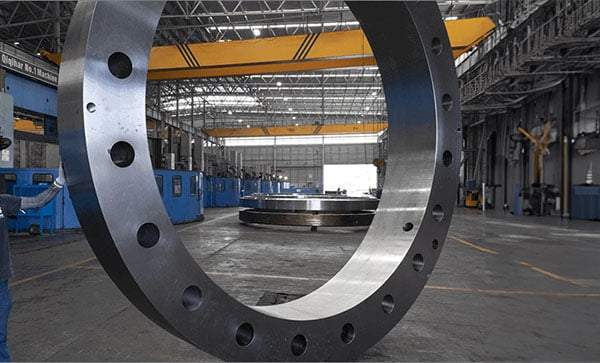
If you’ve ever stood in front of a whiteboard arguing with your design team about “forging versus casting,” you know what’s at stake: in hindsight, a wrong decision and a first-time field failure can cost everyone dearly. Carbon steel forging is one of the leading processes for producing high-durability and high-reliability components. This technology ensures exceptional strength, wear resistance, and enhanced performance, making it an ideal choice for a wide range of applications, from automotive to aerospace industries.
At Qilu, we have been forging carbon steel shafts, rings, and discs for over 20 years, but we still test every new geometry against its casting equivalent. In this blog, we’ll explore the differences between carbon steel forging and other manufacturing methods and why carbon steel forging should be your go-to choice for high-performance industrial parts.
What is carbon steel forging?
Carbon steel forging is a manufacturing process in which carbon steel is shaped by applying compressive forces. The process begins with heating the steel to a temperature where it becomes malleable. Then, it is hammered, pressed, or rolled into the desired shape. This method of shaping enhances the steel’s grain structure, resulting in a product that’s stronger, more durable, and more resistant to fatigue than other methods like casting or machining.
Why Choose Forged Carbon Steel?
- Increased Strength: Forged carbon steel has improved mechanical properties, including tensile strength, impact toughness, and fatigue resistance.
- Longer Lifespan: Due to the refined grain structure, forged components tend to last longer, even in high-stress environments.
How Carbon Steel Forging Improves Strength
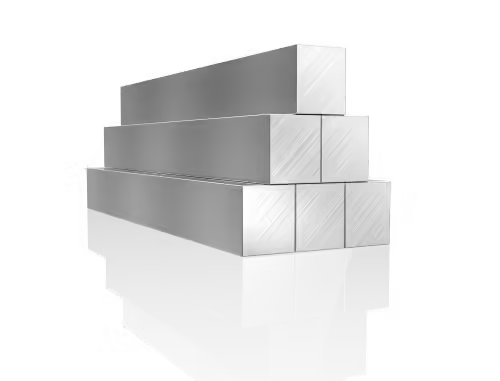
When compared to other manufacturing techniques like casting, carbon steel forging stands out in terms of strength. This is because the forging process aligns the steel’s grain structure, resulting in a stronger, more cohesive material.
Forged Carbon Steel vs. Cast Carbon Steel:
- Grain Alignment: In forged steel, the grain structure follows the shape of the part, leading to superior mechanical properties. In cast steel, the grain structure can be uneven, leading to weaker spots.
- Reduced Defects: The forging process reduces the likelihood of air pockets, cracks, or other defects, which are more common in cast parts.
Tensile & Yield Strength—what the labs actually report
A 2023 University of Toledo study commissioned by the Forging Industry Association compared identical 1045 carbon-steel crankshafts made by forging and by sand casting. The forgings averaged 655 MPa ultimate tensile strength (UTS) versus 520 MPa for castings—a 26% delta—and 475 MPa yield versus 360 MPa, a 37% advantage.
Commercial low-carbon cast steel typically tops out at 400–500 MPa UTS, while forged low-carbon grades routinely reach 600–700 MPa without secondary hardening.
Takeaway: if your safety factor is governed by yield, you can down-gauge a forged part by roughly one size and still hold the same margin.
Fatigue Life—why “six times longer” is not marketing fluff
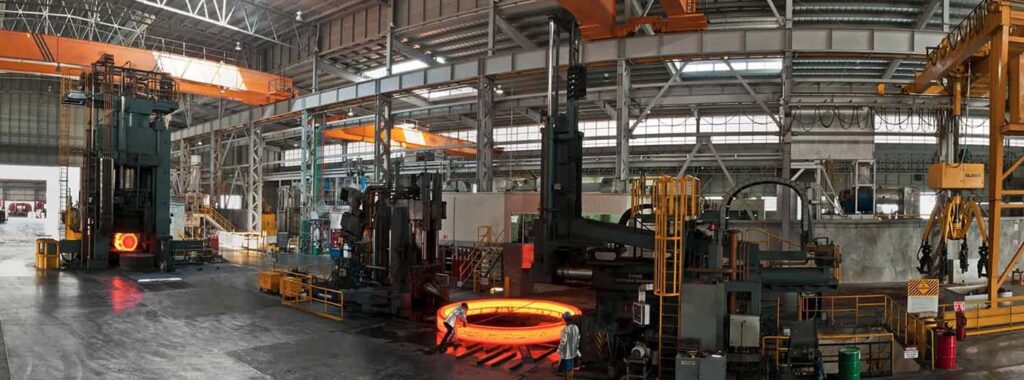
The same Toledo study ran rotating-beam fatigue tests (ASTM E466, R = –1) at 400 MPa nominal stress. Forged specimens survived six million cycles; cast specimens cracked at one million. Independent work on EA4T axle steel (equivalent to 4140) shows identical trends: forged samples endured 50% more fatigue cycles before crack initiation than investment-cast equivalents.
Root cause: forging collapses internal porosity and aligns grain flow along the load path, while casting leaves equiaxed grains and shrinkage voids that act as stress concentrators.
Applications of Forged Carbon Steel in Heavy Machinery
Carbon steel forgings are widely used in heavy machinery, where strength and reliability are paramount. The ability of forged components to withstand high levels of stress makes them essential in industries such as mining, construction, and automotive manufacturing.
For instance, forged carbon steel is often used in:
- Gears
- Crankshafts
- Transmission components
- Hydraulic parts
These applications demand high fatigue resistance, which is where forged carbon steel excels.
Cost Efficiency: Forging vs Casting
While the upfront cost of forging might be higher than casting, the long-term benefits of carbon steel forging often outweigh the initial investment. Forging produces parts that last longer and perform better in demanding environments, reducing maintenance costs and downtime.
Forging vs. Casting:
| Property | Forged Carbon Steel | Cast Carbon Steel |
|---|---|---|
| Strength | High | Moderate |
| Fatigue Resistance | Excellent | Fair |
| Production Time | Longer | Shorter |
| Cost per Unit | Higher upfront | Lower upfront |
| Durability | High | Lower |
Quality Assurance in Carbon Steel Forging
The forging process is often favored in industries where quality and reliability are non-negotiable. Manufacturers that specialize in carbon steel forging implement rigorous quality assurance processes to ensure each component meets the highest standards.
At Qilu, we use advanced equipment, including 200- to 4000-ton presses, to create products that meet or exceed industry specifications. Our dedicated testing facilities check for mechanical properties like hardness, tensile strength, and fatigue resistance, ensuring only top-quality forged parts reach our clients.
Carbon Steel Forging for the Automotive Industry
In the automotive industry, components need to withstand intense stress, heat, and vibrations. Forged carbon steel is often used for critical parts like crankshafts, connecting rods, and gears, where high performance and durability are required.
Benefits for Automotive Parts:
- Increased Safety: Forged components can withstand higher stress levels, reducing the risk of failure in crucial systems like the engine.
- Better Performance: Carbon steel forgings offer superior strength and fatigue resistance, essential for the long-term performance of automotive parts.
How Forged Carbon Steel Enhances Fatigue Resistance
One of the biggest advantages of carbon steel forging is its ability to resist fatigue. The refined grain structure and the alignment of fibers during forging make these components highly resistant to stress and wear over time. In industries like aerospace and automotive, this resistance is crucial for ensuring the safety and reliability of critical components.
Environmental Impact of Carbon Steel Forging
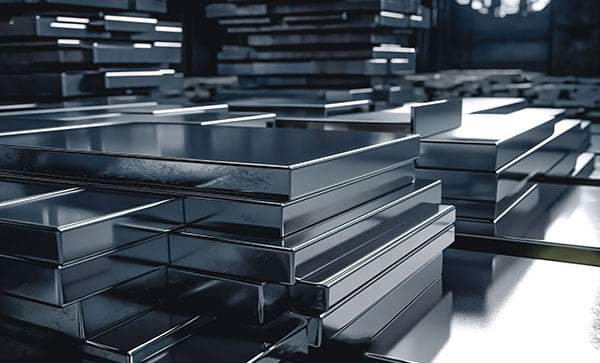
Compared to other manufacturing methods, carbon steel forging is often considered more environmentally friendly. While both forging and casting require energy, forging typically generates less waste material. Moreover, the longer lifespan of forged components means less frequent replacement, reducing the overall environmental footprint.
Why Forging Is Preferred for High-Performance Applications
For industries where failure is not an option, such as aerospace, defense, and heavy machinery, carbon steel forging provides the reliability and strength required. Forged components undergo a process that significantly improves their mechanical properties, ensuring they can handle extreme conditions.
Conclusion
When selecting the right material for your industrial parts, consider carbon steel forging for its unmatched strength, durability, and performance. Whether you are in the automotive, aerospace, or heavy machinery industry, the advantages of forging over casting are clear. Qilu specializes in providing high-quality forged components to meet your specific needs.
FAQ
What is the difference between forging and casting?
Forging involves shaping metal through compressive forces, improving its strength and durability. Casting involves pouring molten metal into molds, which may not achieve the same level of strength as forging.
Can forged carbon steel be used in high-temperature applications?
Yes, forged carbon steel performs excellently in high-temperature environments due to its superior strength and heat resistance.
How long does it take to forge a part?
The time required for forging depends on the complexity of the part. However, the forging process generally takes longer than casting due to the heat treatment and precise shaping involved.